10 Dental Tips for a Healthier Smile
July 8, 2022How Restorative Dentistry Could Benefit You
July 22, 2022
Do you sometimes clench your teeth unconsciously? If so, you may be at risk for bruxism, a condition that causes teeth grinding and jaw clenching. Bruxism can lead to a number of dental problems, including tooth decay, gum disease, and even tooth loss. In this blog post, we will discuss the risks of bruxism and how to protect yourself from its harmful effects.
The Teeth Grinding Condition: Bruxism
Bruxism can happen when you’re awake or asleep. Cleveland Clinic explains the grinding action is the same, but awake and asleep bruxism are considered two separate conditions:
- Awake bruxism: You clench your jaw and grind your teeth during the day with this condition. It’s usually tied to emotional issues. Feeling anxious, stressed or angry can lead to teeth grinding. But so can concentrating on something. Awake bruxism often doesn’t need treatment, if you’re more likely to notice and stop. Stress management can help and learning ways to become aware can also help reduce the frequency.
- Sleep bruxism: You grind your teeth while asleep with this form, which may cause more harm. You may not get the help you need since you’re unaware it is happening. Another challenge with sleep bruxism is that people don’t realize how strong they’re clenching their jaw and teeth. They can use up to 250 pounds of force, causing jaw pain and teeth problems. Clenching can also lead to headaches.
Symptoms
As well as grinding your teeth and clenching your jaw, other symptoms can include:
- face, neck and shoulder pain
- a painful jaw, which can lead to a condition called temporomandibular disorder (TMD)
- worn-down or broken teeth, which can cause increased sensitivity and loss of teeth and fillings
- headaches
- earache
- disturbed sleep
The Risks of Bruxism
There are a number of risks associated with bruxism, including:
- Tooth decay: When you grind your teeth, you’re wearing down the enamel that protects them. This can lead to tooth decay and cavities.
- Gum disease: Grinding can also damage your gums, making them more susceptible to gum disease.
- Tooth loss: In severe cases, bruxism can lead to tooth loss.
- Jaw pain: The constant clenching of the jaw can lead to pain in the jaw joint and the muscles around it.
- Headaches: The clenching and grinding can also cause headaches.
TMJ vs. Bruxism
The temporomandibular joint (TMJ) is the joint that connects your lower jaw to your skull. Disorders of this joint are referred to as TMJ disorders and can cause pain in your jaw and face. Bruxism and TMJ disorders often occur together, but they are two separate conditions.
Signs of TMJ include:
- jaw pain
- clicking or popping sounds when you move your jaw
- limited movement of the jaw
- pain in the face, neck or shoulders
- headaches
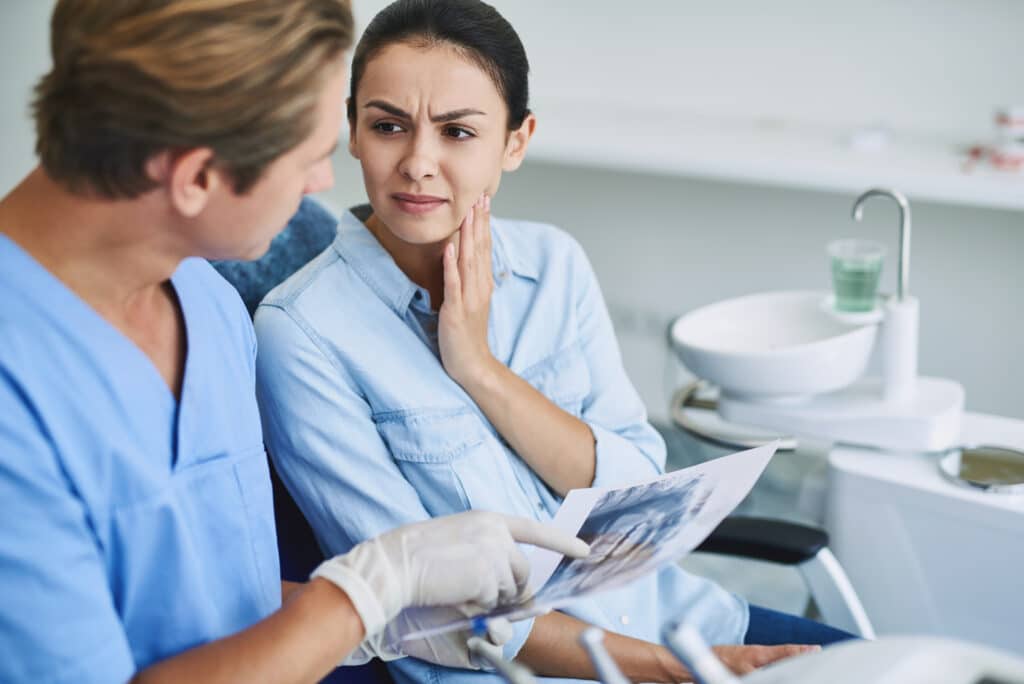
Tooth grinding can also cause these symptoms, which is why it’s important to see a dentist if you experience any of them. Only a dentist can properly diagnose the cause of your symptoms and recommend the appropriate treatment.
How to Protect Yourself from the Risks of Bruxism
If you think you may be grinding your teeth or clenching your jaw, it’s important to see a dentist. They can help you find out if bruxism is the cause of your symptoms and develop a treatment plan.
There are also a few things you can do at home to protect your teeth from the damage of teeth grinding:
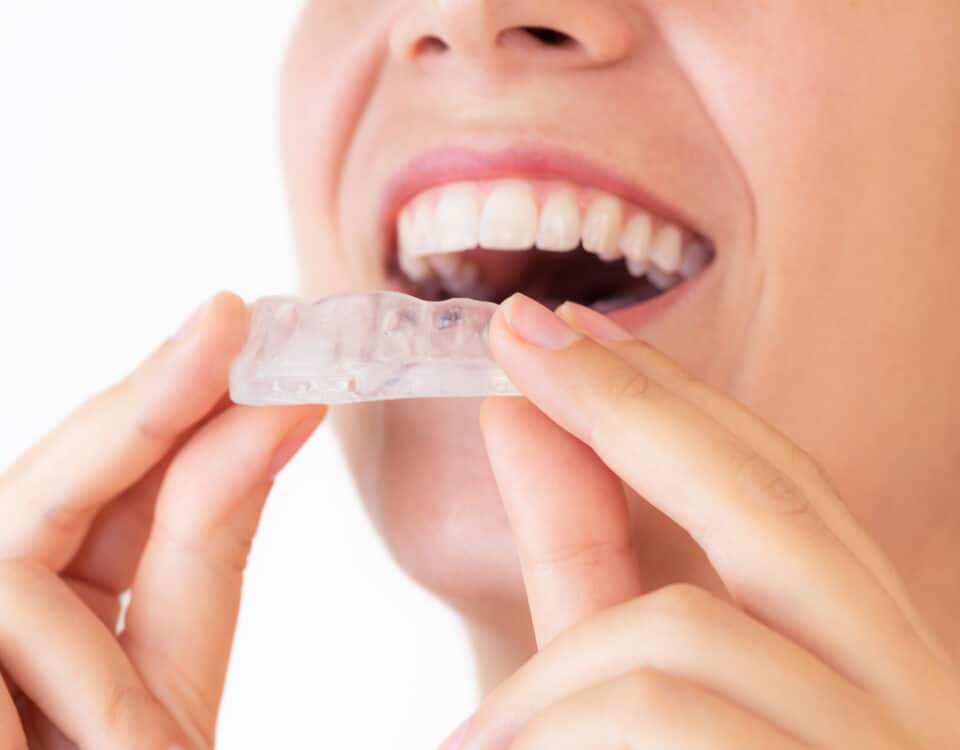
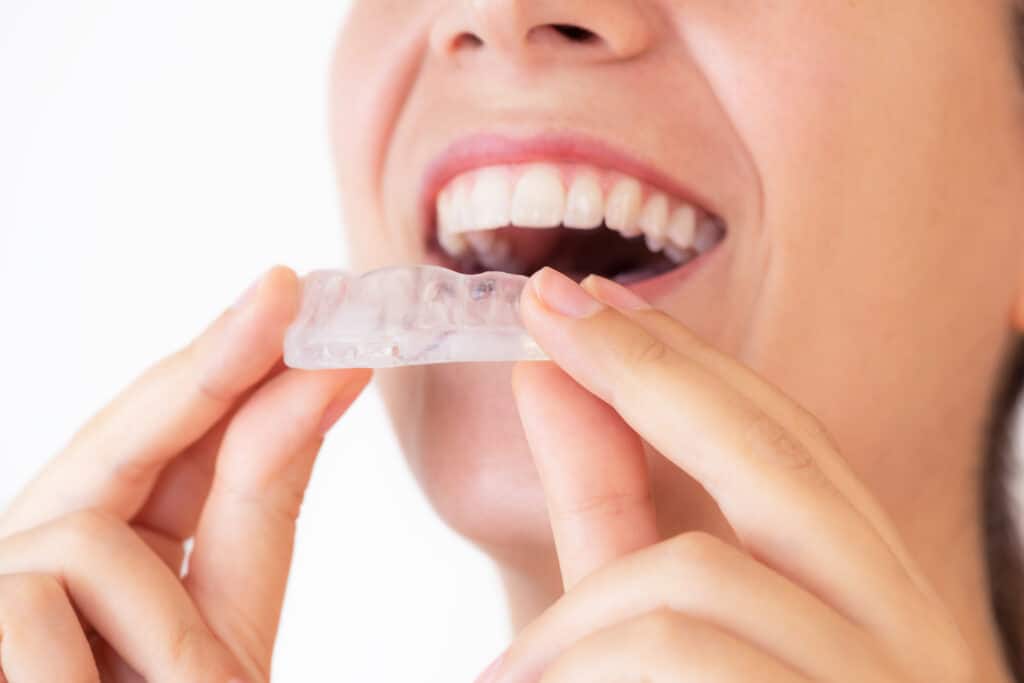
- Use a night guard: If you grind your teeth at night, your dentist may recommend wearing a mouth guard. A night guard is a custom-fitted appliance that sits over your teeth and protects them from grinding and clenching.
- Avoid hard foods: Eating hard foods, like candy or ice, can damage your teeth. It’s best to avoid them if you have bruxism.
- Practice stress relief: Since stress can be a trigger for tooth grinding, finding ways to relieve stress can help reduce the frequency and severity of your bruxism. Relaxation techniques, such as yoga or meditation can be helpful.
- Exercise: Regular exercise can help reduce stress and tension, which may help prevent tooth grinding.
If you think you may be grinding your teeth, talk to your dentist. They can help you find out if bruxism is the cause of your symptoms and develop a treatment plan.
Make an Appointment with Glacier Creek Dental
If you’re concerned about bruxism or any of its associated risks, we can help. At Glacier Creek Dental, we offer a full range of dental services, including treatment for bruxism. We’ll work with you to develop a treatment plan that meets your needs and helps you protect your teeth from further damage. Contact us today for an appointment!