Help! I Have Bad Breath
December 1, 2022
The Importance of Good Gum Health
December 16, 2022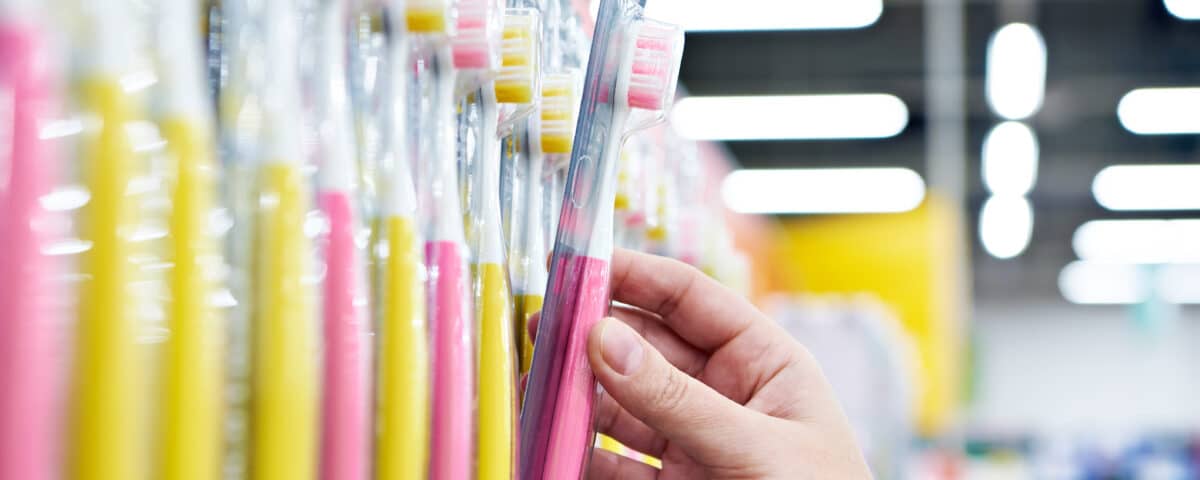
It’s no secret that being sick can take a toll on your body. But did you know that it can also affect your oral health? One of the most important things you can do when you’re feeling under the weather is to keep up your dental hygiene routine. This includes brushing and flossing regularly, and replacing your toothbrush if you’ve been sick. In this blog post, we’ll discuss the reasons why you may need to replace your toothbrush after being sick, and how to protect your oral health during illness.
Your Oral Health When You’re Sick
When you’re sick, your body’s natural defenses are weakened. This includes your oral health as well. Bacteria and viruses can easily spread around your mouth, leading to a higher risk of tooth decay and gum disease. To help prevent this from happening, it is important to maintain good oral hygiene practices even when you are not feeling well.
Do You Need to Replace Your Toothbrush After Being Sick?
The short answer is yes. It’s important to replace your toothbrush after you’ve been sick, even if you don’t think it was used during the illness. That’s because viruses and bacteria can linger on the bristles, potentially leading to re-infection or a longer recovery period. Additionally, toothbrushes can harbor germs that can spread to other people in your household.
To help protect yourself and others, it’s best to replace your toothbrush every three months or after a bout of illness. If you’ve been sharing a toothbrush with someone else, make sure they also get a new one to avoid spreading the infection.
How to Keep Your Oral Health in Check During Illness
When you’re feeling sick, the last thing you want to do is brush your teeth. But it’s important to keep up with your dental hygiene routine during illness to help prevent oral health problems. Here are some tips for staying on top of your oral hygiene when sick:
- Brush your teeth softly and gently to avoid irritating a sore throat. Try using an electric toothbrush for extra gentle cleaning.
- Rinse your mouth with warm water after eating or drinking to keep sugar and bacteria away from the teeth.
- Avoid sugary drinks when ill, as these can exacerbate oral health issues like cavities and gum disease.
- Stay hydrated with water to promote saliva production and reduce bacteria in the mouth.
- Use an antiseptic rinse to help eliminate any lingering germs in your mouth.
How to Keep Your Toothbrush Germ Free
Many health professionals say that disinfecting your toothbrush is not only unnecessary but can also be harmful. Soaking your toothbrush in disinfecting solutions (including mouthwash) can lead to cross-contamination if you use the solution for too long or if multiple people use the same solution. Here are some general recommendations for keeping your toothbrush as germ-free as possible:
- Never share your toothbrush or toothpaste. Avoid spreading germs by giving everyone their own toothbrush and toothpaste.
- Rinse your toothbrush after using it. After brushing, rinse your toothbrush under cold running water to remove excess toothpaste and debris
- Don’t soak your toothbrush in disinfecting solutions or mouthwash. This can actually lead to the spread of germs
- Let your brush air-dry. After rinsing your toothbrush, store it upright in a holder to air dry. Avoid covering your toothbrush or storing it in a closed container. Moist environments are a breeding ground for bacteria
- Change your toothbrush regularly. Replace your toothbrush every three to four months, or sooner if the bristles start to look frayed
What About Replacing Toothpaste?
After being sick, think about your toothpaste too. Dirty fingers or a dirty brush could pass harmful microbes to the rim of the tube. If someone in your family is ill, you should consider using their own tube in order to prevent cross-contamination. It’s a good idea to use separate toothpaste tubes when multiple people are sharing the same bathroom.
Replacing your toothbrush and toothpaste after being sick is an important part of maintaining good oral hygiene. Not only will it help reduce the risk of re-infection, but it can also help protect other members of your household from catching the virus or bacteria. Keeping your brush and toothpaste clean and replacing them regularly is the best way to ensure that your mouth stays healthy. So, don’t forget to replace your toothbrush and toothpaste after being sick!
Make an Appointment with Glacier Creek Dental
At Glacier Creek Dental, we provide comprehensive dental care services in a comfortable, family-friendly atmosphere. Whether you’re looking for a regular checkup or need more specialized care, our team of experienced dentists and hygienists can help you achieve your optimal oral health. Contact us today to schedule an appointment. We look forward to helping you!