Maintaining Oral Health When Expecting a Baby
June 22, 2023
The Best Ways to Support Recovery After a Root Canal
July 7, 2023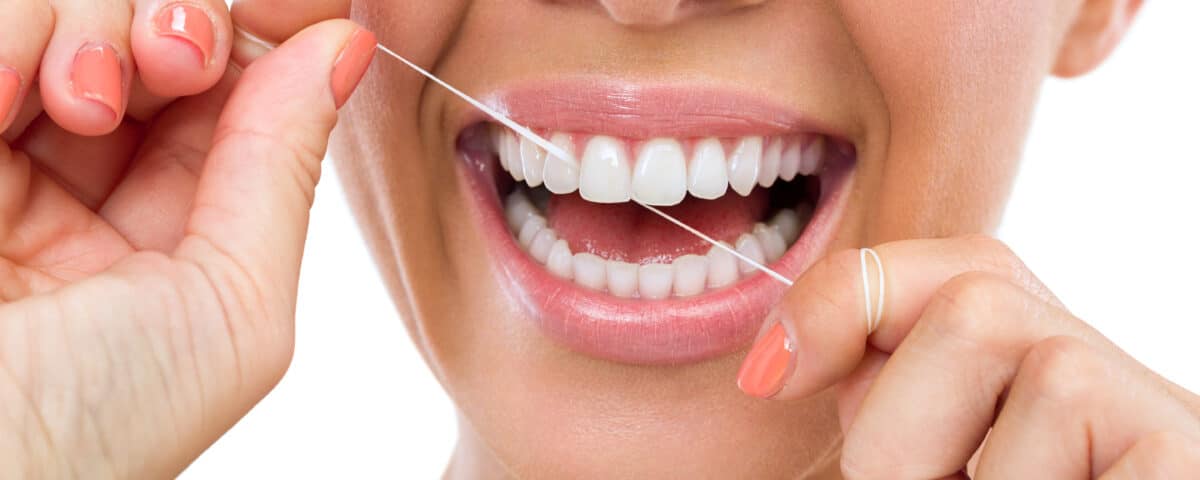
Flossing is often overlooked, but when it comes to maintaining a healthy smile, nothing should be left to chance. Here are 5 compelling reasons why you should never skip flossing: not only will it help keep your teeth and gums in top condition, but also reduce your risk of cavities and gum disease. With these essential facts in mind, let’s take a closer look at why flossing is so important – it all starts with understanding the importance of oral hygiene.
What is the Purpose of Flossing?
Flossing is an important part of keeping your mouth healthy. Proper flossing removes plaque and food particles from between the teeth that a toothbrush is unable to reach. This helps reduce the bacteria in your mouth, which can lead to bad breath and other oral health problems such as gum disease and cavities. Flossing is also beneficial for preventing tartar buildup.
5 Reasons Why You Should Never Skip Flossing
1. Reduced Risk of Tooth Decay:
Regular flossing helps remove plaque and food particles that can lead to tooth decay and cavities. Flossing also stimulates the gums, which increases blood flow and helps fight bacteria that causes tooth decay.
2. Improved Gum Health:
Flossing is essential for removing plaque buildup from between the teeth and along the gum line. This helps keep your gums healthy, reducing inflammation and preventing gum disease.
3. Fresher Breath:
Flossing can help reduce bad breath caused by bacteria buildup in the mouth. By removing trapped food particles and plaque, flossing helps eliminate bad breath-causing bacteria that can accumulate between the teeth.
4. More Confidence:
Flossing helps keep your teeth and gums healthy, leading to a brighter and healthier smile. A beautiful smile can boost your self-confidence and make you feel better about yourself.
5. Easier Cleanings:
Regular flossing helps prevent plaque buildup that can be difficult to remove during a professional dental cleaning. As a result, dental cleanings become simpler and more comfortable.
By now, it’s clear that flossing is an important part of any oral hygiene routine. The amount of time spent on flossing may seem insignificant, but the benefits are well worth the effort! Regularly flossing will help keep your teeth and gums healthy and improve your overall oral health.
How to Properly Floss
Follow this step-by-step guide to floss your teeth correctly.
- Break off about 18 to 24 inches of dental floss. To hold the floss correctly, wind most of the floss around both of your middle fingers. Leave only about 1 to 2 inches of floss for your teeth.
- Next, hold the floss taut with your thumbs and index fingers.
- Place the dental floss in between two teeth. Gently glide the floss up and down, rubbing it against both sides of each tooth. Don’t glide the floss into your gums. This can scratch or bruise your gums.
- As the floss reaches your gums, curve the floss at the base of the tooth to form a C shape. This allows the floss to enter the space between your gums and your tooth.
- Repeat the steps as you move from tooth to tooth. With each tooth, use a new, clean section of floss.
Flossing is Part of Comprehensive Dental Care
Excellent oral hygiene protects your teeth and gums and keeps your smile beautiful. Here are some general oral hygiene instructions, in addition to flossing, to keep your smile healthy:
Brush your teeth at least twice a day.
Use fluoride toothpaste and a soft-bristled toothbrush. (Medium or hard bristles can damage your gums and tooth enamel.) When you brush, place your toothbrush at a 45-degree angle toward your gums. This helps sweep away plaque and bacteria at the gum line. Be sure to brush all teeth surfaces, including the backs and sides.
Brush your tongue.
Your tongue holds bacteria like a sponge. Whenever you brush your teeth, don’t forget to brush your tongue. You can use your toothbrush for this purpose. Or, you can purchase a tongue scraper in the oral health aisle.
Use an antibacterial mouthwash every day.
Antibacterial mouthwash helps keep harmful oral bacteria at bay. In addition to washing away food and debris, it also reduces plaque buildup. Be sure to choose an alcohol-free formula to prevent dry mouth.
Visit your dentist regularly.
Routine dental exams and cleanings are essential for good oral health. Many people do well with six-month visits. But, if you’re prone to cavities, gum disease or other oral health problems, you may need more frequent appointments.
Avoid smoking and other tobacco products.
Smoking is a leading cause of gum disease and oral cancer. It’s best to avoid these products altogether. If you currently smoke and would like to quit, ask your healthcare provider about treatment options that can help.
Make an Appointment with Glacier Creek Dental
At Glacier Creek Dental, we specialize in comprehensive dental care. Our experienced dentists and hygienists provide exceptional preventive services that keep your teeth and gums healthy. To learn more about our practice or to schedule an appointment, please contact us today!