What Does a Cavity Feel Like? Understanding the Symptoms
September 7, 2023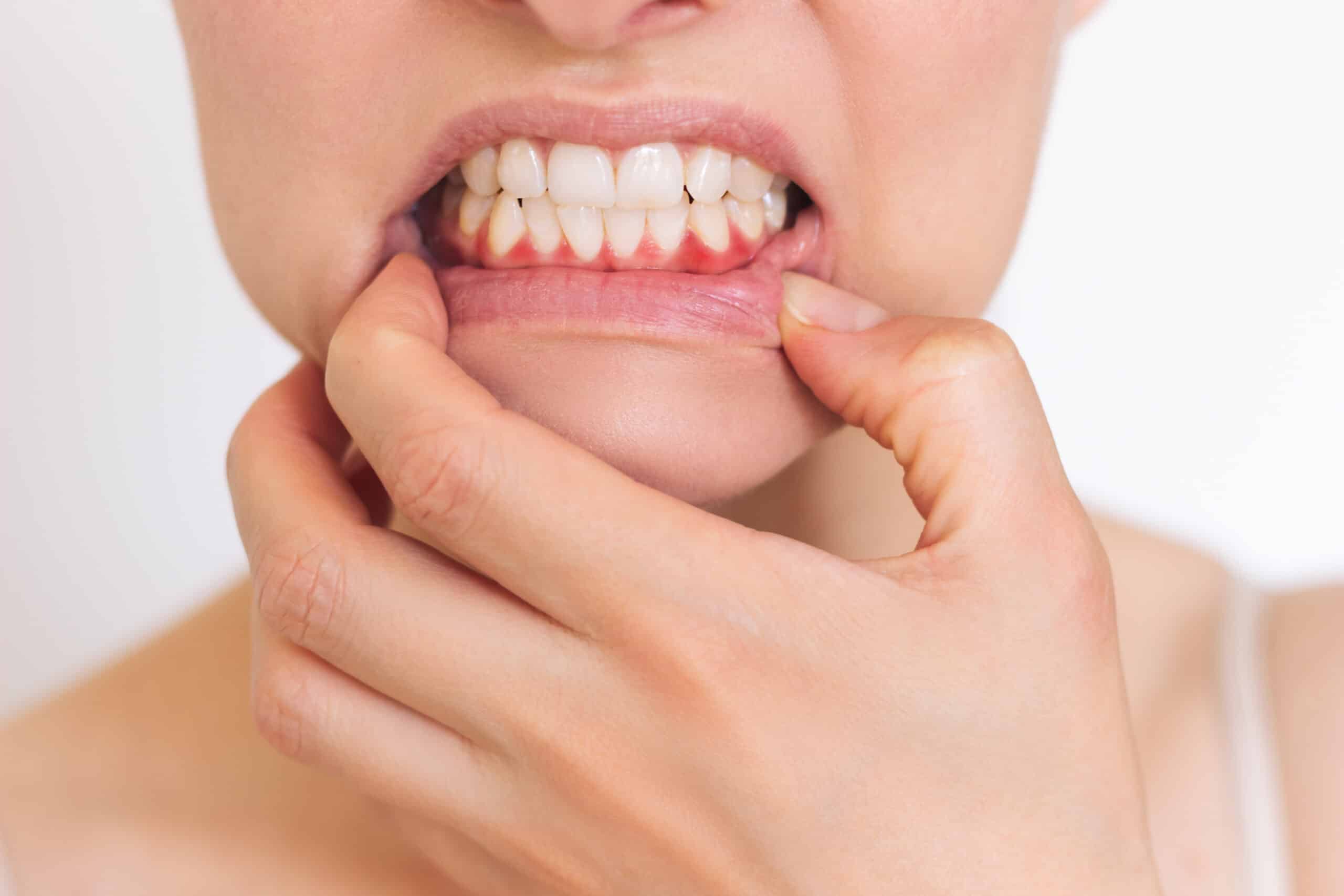
Home Remedies for Common Dental Problems
September 21, 2023
Tooth sensitivity is a common dental problem that many people suffer from, especially when pre-existing conditions like cavities or gum disease are present. When dealing with sensitive teeth, a few specific steps can help improve your oral health overall. In this blog post, we’ll cover the basics of coping with tooth sensitivity to sugar.
What is Tooth Sensitivity?
To start, it’s important to understand what tooth sensitivity is and how it occurs. Tooth sensitivity is typically caused either by a condition called dentin hypersensitivity or acid erosion. Dentin hypersensitivity occurs when the inner layer of your teeth (dentin) becomes exposed and the nerves inside your teeth become irritated. Acid erosion is when acids from food and drink wear away the enamel of your teeth, exposing the nerves to hot, cold, or sweet foods and drinks.
Signs and Symptoms
The most common signs of tooth sensitivity are pain and discomfort when eating or drinking. Pain may range from a slight tingle to an intense ache that can last for several minutes after the food or drink is gone. Other symptoms include a heightened sensitivity when breathing in cold air, and feeling pain while using dental floss.
What Causes Tooth Sensitivity to Sugar?
Many factors can lead to the development of sensitive teeth, including:
- Brushing too hard: Over time, brushing too hard or using a hard-bristled toothbrush can wear down enamel and cause the dentin to be exposed. It can also cause gum recession (when your gum tissue pulls away from your teeth).
- Gum recession: Some people are genetically prone to thin gum tissue. Other people develop gum recession as a result of periodontal disease. With gum recession, your gum tissue pulls away from your teeth, exposing the roots.
- Gum disease: Inflamed and sore gum tissue may cause sensitivity because of the loss of supporting ligaments, which exposes the root surface that leads directly to the nerve of the tooth.
- Cracked teeth: Chipped or broken teeth may fill with bacteria from plaque and enter the pulp, causing inflammation.
- Teeth grinding: Grinding or clenching your teeth may wear down the enamel and expose underlying dentin.
- Plaque buildup: The presence of plaque on the root surfaces can cause sensitivity.
- Acidic foods: Regular consumption of foods with a high acid content, such as citrus fruits, tomatoes, pickles and tea, can cause enamel erosion.
How to Deal with Tooth Sensitivity to Sugar?
Tooth sensitivity to sugar can be effectively managed by following some simple dental care tips. One of the first things to do is to follow good oral hygiene by brushing twice a day, flossing regularly, and using a fluoride-based toothpaste. Avoid consuming too many sugary foods and drinks, as it can lead to enamel damage and tooth decay. Use a soft-bristled toothbrush and avoid brushing too hard, as it can lead to tooth abrasion. If you grind your teeth at night, consider wearing a nightguard to protect your teeth.
Professional Treatment
If your tooth sensitivity to sugar is severe and persistent, it is advisable to visit your dentist for professional treatment. Your dentist may conduct a thorough oral examination, take X-rays, and identify the cause of the sensitivity. Treatment options may include fluoride gel or varnish, desensitizing toothpaste, dental sealants, tooth-colored fillings, gum grafting, and root canal therapy. Your dentist may also provide home care instructions and recommendations for diet and lifestyle modifications.
Prevention is the Best Cure
Prevention of tooth sensitivity to sugar is always better than cure. Following a healthy oral hygiene routine, avoiding excessive sugary foods and drinks, and visiting your dentist for regular check-ups can help prevent the onset of tooth sensitivity to sugar. Early identification and treatment of dental problems can also prevent tooth sensitivity and maintain good oral health.
Tooth sensitivity to sugar can be a painful and uncomfortable dental condition, but it can be handled effectively by following good dental care habits and seeking professional treatment when necessary. By adopting a healthy oral hygiene routine and reducing your sugar intake, you can prevent the onset of this dental problem and enjoy a happy, healthy smile for life.
Make an Appointment with Glacier Creek Dental
If you are suffering from tooth sensitivity to sugar, make an appointment with our highly experienced dentists at Glacier Creek Dental. Our team of specialists will provide a comprehensive oral examination and create a personalized treatment plan to address your dental needs. We strive to help patients achieve their best possible outcome when it comes to maintaining good oral health. Contact us today for more information!