Ensure A Sweet Valentine’s Day with These Dental Health Tips
February 16, 2024
Makeover Your Smile with Glacier Creek Dental
February 29, 2024
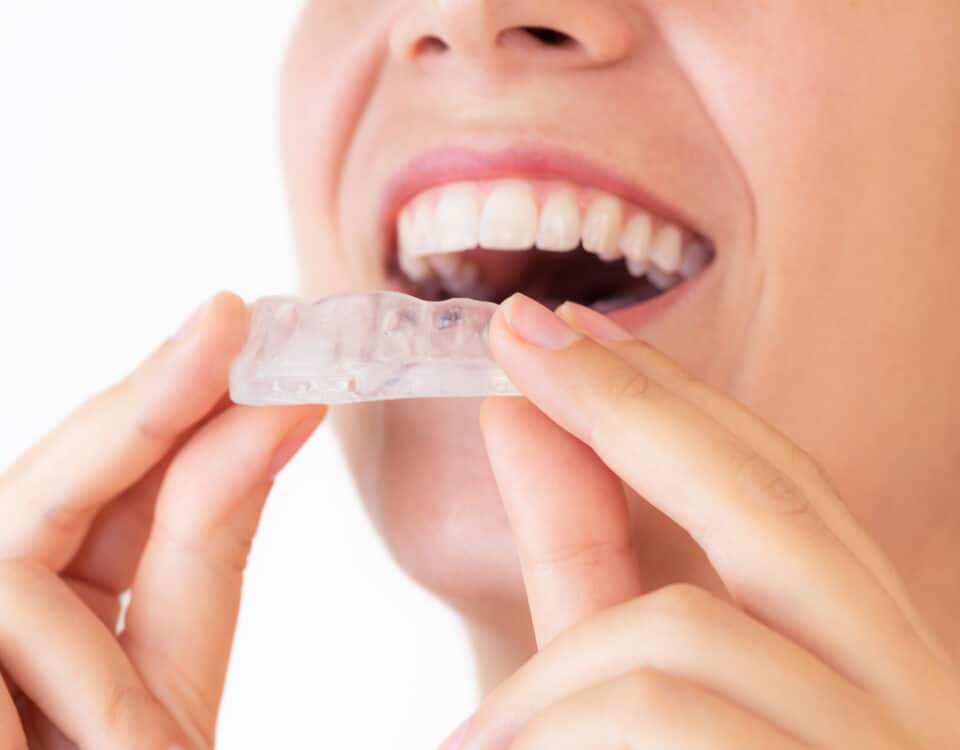
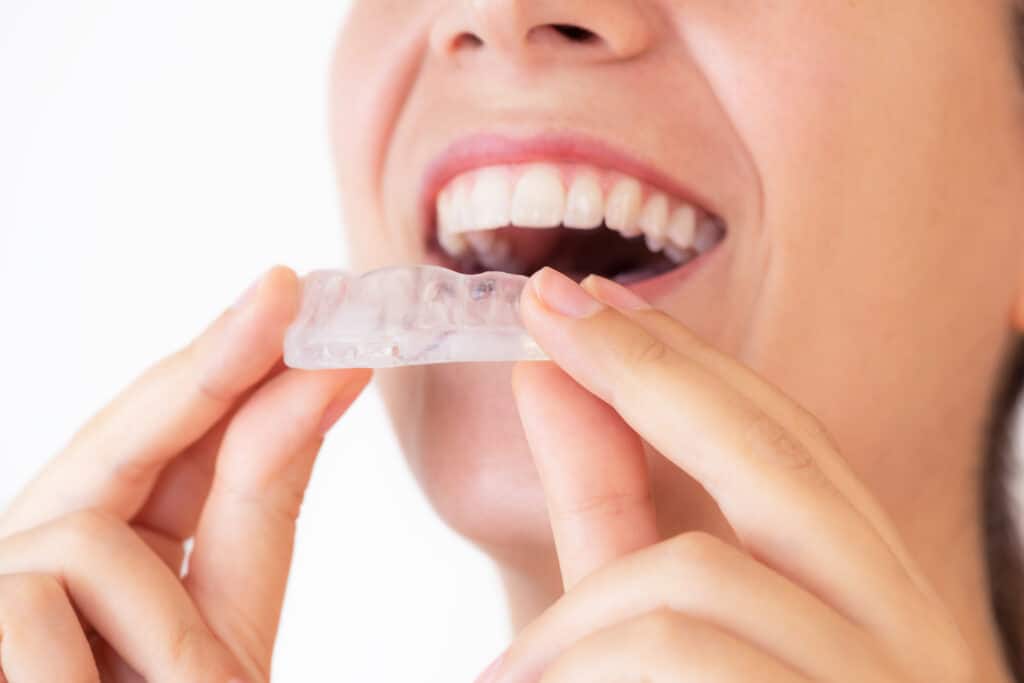
A nightguard can be a life-changing dental appliance for many people, especially those who grind their teeth at night. It not only protects your teeth but also the overall structure and functionality of your jaw. Here are ten signals that indicate it might be time to consider a nightguard.
What is Bruxism?
Bruxism is a condition where an individual unconsciously clenches or grinds their teeth, often at night while sleeping. It can cause damage to the teeth, jaw muscles, and joints if left untreated. In severe cases, it can even lead to tooth loss or temporomandibular joint disorder (TMJ). Bruxism is often a sign of stress, anxiety, or sleep disorders.
1. You Wake Up With Headaches
Headaches are a common yet often overlooked consequence of teeth grinding. If you frequently wake up with a dull, constant headache, especially around your temples, this might be linked to the clenching and grinding motions that you’re doing unconsciously while asleep. A nightguard can significantly reduce these symptoms.
2. Your Jaw is Sore in the Mornings
One of the most direct signs of bruxism (teeth grinding) is waking up with jaw pain. The temporomandibular joint (TMJ) can become strained from the force of clenching and can cause discomfort. A nightguard helps by cushioning the teeth and preventing direct impact, which in turn can relieve TMJ-related soreness.
3. Your Teeth Show Signs of Wear
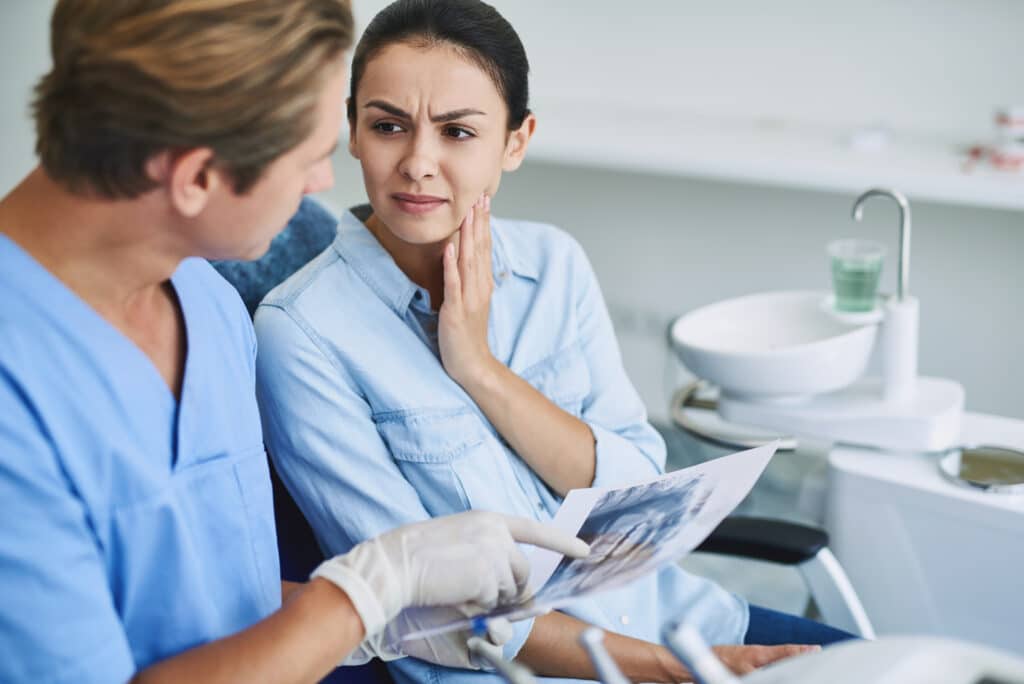
Many people only become aware that they grind their teeth at night when their dentist points out signs of wear and tear. Common indicators include flattened, grooved, or chipped teeth. If you notice these changes in your dental structure, it’s essential to speak with your dentist about the possible need for a nightguard.
4. You’ve Developed Tooth Sensitivity
Tooth sensitivity can stem from a variety of causes, but grinding your teeth can contribute to the discomfort. It wears down the protective enamel layer and can expose the sensitive dentin underneath. A nightguard can prevent further enamel loss and shield the teeth from the intense pressure that can cause sensitivity.
5. You Routinely Wake Up to a Sore Neck or Shoulders
The physical effects of teeth grinding aren’t confined to the facial area. The force of clenching can lead to muscle tension and pain, which may manifest as soreness in the neck and shoulder region upon waking. This pain is often due to the overexertion of muscles that are involved in the grinding action.
6. You’ve Noticed Frequent Cheek Biting or Inside of Mouth Cuts
Unintentional cheek biting or developing cuts inside your mouth can be a clue that you’re grinding your teeth at night. The abrasive motions during clenching can cause your teeth and inner mouth to make contact more forcefully than normal, which might lead to these self-inflicted injuries.
7. You’ve Had Trouble Sleeping or Insomnia
Teeth grinding (also known as bruxism) can impact your quality of sleep. For many, it’s a subconscious action that they aren’t aware of but has disruptive effects, causing micro-awakenings throughout the night. This can lead to fatigue, irritability, and other complications related to sleep disorders.
8. You’re Under High Stress
Stress is closely linked with teeth grinding. When under pressure, many people clench their jaw or grind their teeth during the day. This tension often carries into the nighttime hours without conscious effort. Managing stress levels, in conjunction with a nightguard, can help alleviate related dental issues.
9. You’ve Been Diagnosed With Sleep Apnea
Sleep apnea and teeth grinding can sometimes occur together. If you have sleep apnea and are also experiencing jaw pain, headaches, or excessive teeth wear, your grinding could be a symptom of your sleep disorder. A custom nightguard can be particularly beneficial if this is the case.
10. Your Partner Comments on the Noise You Make at Night
For individuals living with a partner, the feedback from them can be instrumental. You might not be aware of the sounds you make while grinding your teeth, but a partner is likely to notice and mention it. If you receive comments about the noise, addressing this issue is key for both dental health and a peaceful night’s sleep.
Recognizing these signs early and taking appropriate measures, such as using a nightguard, can prevent long-term damage to your teeth and alleviate associated discomfort. If you resonate with several of these points, it’s wise to consult with a dentist to explore the potential benefits of a nightguard for you.
The Benefits of a Custom-Made Nightguard
While over-the-counter nightguards are available, custom-made ones offer a more precise fit and better protection for your teeth. A dentist can create a personalized nightguard that fits your mouth comfortably and securely, reducing the risk of it becoming loose or falling out while you sleep.
Furthermore, custom-made nightguards use high-quality materials that are durable and long-lasting. They also take into account any existing dental issues or concerns that you might have, ensuring the nightguard is tailored to your specific needs.
In addition to protecting your teeth and jaw from the effects of bruxism, a nightguard can also improve your quality of sleep. By reducing painful symptoms and disruptions caused by grinding, you can experience more restful and rejuvenating sleep.
Make an Appointment with Glacier Creek Dental
At Glacier Creek Dental, we offer custom-made nightguards to help our patients protect their teeth and improve their quality of sleep. Our experienced dentists can assess your dental health and provide you with personalized recommendations for treatment options. Contact us today to schedule an appointment and learn more about how a nightguard could benefit you.