Makeover Your Smile with Glacier Creek Dental
February 29, 2024
Exploring Laser Cavity Detection: A Breakthrough Technology at Glacier Creek Dental
March 15, 2024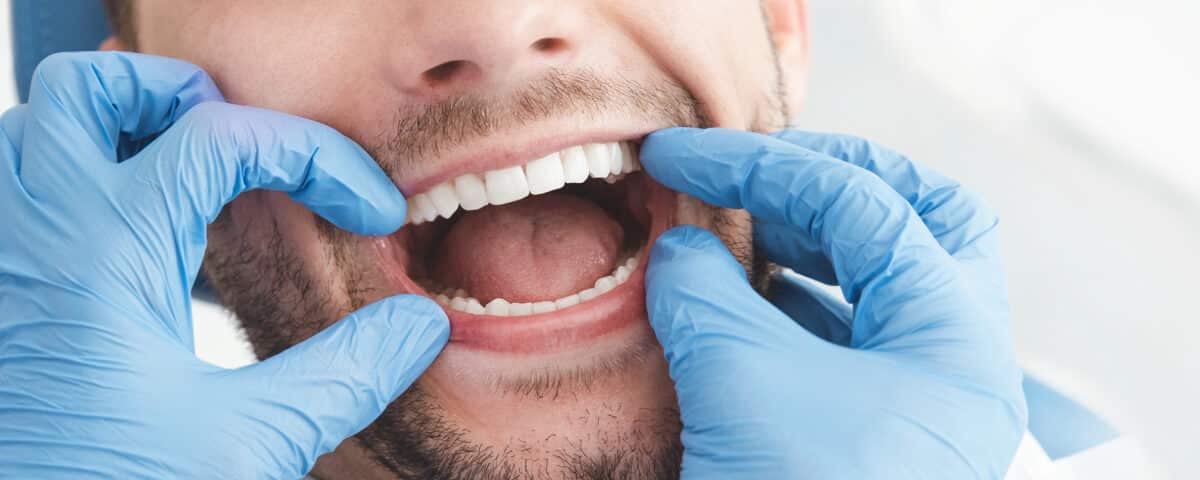
When we think about routine health screenings, the first that come to mind might be mammograms, colonoscopies, or even flu shots. What often doesn’t make the list but should is the oral cancer screening. With the incidence of oral cancer rising, especially among younger individuals, understanding the importance of these screenings is critical. This comprehensive guide breaks down everything you need to know about oral cancer—including its signs, risk factors, screenings, and why taking a proactive approach to oral health could save your life.
The Silent Disease: Understanding Oral Cancer
While oral cancer might not be as widely discussed as other forms of the disease, it is no less serious. Oral cancers can affect the mouth, tongue, lips, throat, and salivary glands. They can be life-threatening if not diagnosed and treated early. The insidious nature of oral cancer lies in its propensity to spread rapidly without causing noticeable symptoms in the early stages. Common types of oral cancer include squamous cell carcinoma, melanoma, adenocarcinomas, and lymphomas.
What Are the Risk Factors for Oral Cancer?
Being informed about the risk factors is the first step in disease prevention. Tobacco and alcohol use are the most significant risk factors in developing oral cancer. Other factors include:
- HPV Infection: Certain strains of human papillomavirus (HPV) have been linked to the increased risk of developing oral cancer.
- Sun Exposure: Prolonged exposure to the sun’s ultraviolet rays increases the risk of lip cancer.
- Diet: Poor nutrition, including a lack of fruits and vegetables in the diet, has been linked to an increased risk of oral cancer.
- Age and Gender: The risk of developing oral cancer increases with age, and men are twice as likely as women to develop the disease.
Oral Cancer Signs and Symptoms
Understanding the signs and symptoms of oral cancer is key to catching the disease early. Be on the lookout for:
Persistent Mouth Changes
- Red or white patches in your mouth or on your lips
- A lump or mass in your mouth, neck, or throat
- Sore throat or persistent hoarseness
- Difficulty chewing or swallowing
- A feeling that something is caught in your throat
- Unexplained bleeding in your mouth
Risk-Based Self-Examinations
Performing monthly self-examinations of the mouth and throat can help you identify changes that warrant a visit to your dentist or healthcare professional. If you fall into any of the high-risk categories, it’s crucial to be extra vigilant about screenings and self-checks.
The Role of Dentists in Oral Cancer Detection
Your dentist can play a pivotal role in the fight against oral cancer by performing regular screenings. These screenings are typically quick and non-invasive and often involve a visual and tactile examination for any abnormalities in the mouth.
The Six-Step Screening Process
The six-step process utilized by dentists for oral cancer screening includes:
- An examination of your face
- A thorough examination of your neck
- A close look at the inside of your lips and the front of your gums
- A visual inspection of the lining of the cheeks and the back of the throat
- A physical examination for any lumps on the sides or under your tongue
- A gentle pulling of your tongue to check for abnormalities or signs of cancer
Why Routine Oral Cancer Screenings Matter
Early detection of oral cancer significantly increases the chances of successful treatment. Regular screenings can catch cancer in its earliest stages, sometimes before a patient notices any symptoms.
The Importance of Regular Dental Check-ups
Even if you maintain good oral hygiene, regular dental check-ups are crucial. Dentists are trained to detect the signs of oral cancer, often before patients become aware of any issues. Skipping these check-ups could mean delaying early detection and treatment—two critical factors in surviving oral cancer.
Incorporating Oral Cancer Screenings into Your Health Regimen
With the information and resources available, there’s no excuse not to include oral cancer screenings in your regular health care routine.
Staying Proactive
Awareness and education are the first steps, but action is key.:
- Know the Risk Factors: Understand your individual risk factors and speak with your healthcare professional about any concerns.
- Set Reminders: Life gets busy, and screenings might slip your mind. Regularly scheduled screenings and reminders in your calendar can help you stay on track.
- Share With Others: Spread the word about the importance of oral cancer screenings with friends and family. You may just save a life.
The Future of Oral Cancer Detection
Health technology is rapidly advancing, and oral cancer detection is no exception. From fluorescence visualization to salivary diagnostics, the future holds promise for even more effective and innovative methods for early detection.
Innovations in Screening Techniques
New screening techniques offer improved accuracy and earlier detection of cancerous and pre-cancerous lesions. These methods often use the latest in imaging technology or molecular diagnostics.
The Impact of AI on Early Detection
Artificial intelligence is also making its mark on oral cancer detection. AI-powered systems can analyze images and data at an unprecedented rate, potentially catching abnormalities that might be missed by the human eye.
Taking an Empowered Approach to Wellness
Your health, including your oral health, is in your hands. By taking an empowered approach to wellness, you can significantly reduce the risk of developing oral cancer and improve your chances for early detection and treatment.
Lifestyle Adjustments for Prevention
Simple adjustments like quitting smoking, moderating alcohol consumption, and adopting a healthy diet can significantly lower your risk.
The Power of Education and Intention
Educate yourself on the signs and symptoms of oral cancer and make seeking screenings a priority. Intentionally choosing preventive health measures empowers you to take charge of your well-being.
Oral cancer screenings are a non-negotiable part of your health care routine, especially if you have risk factors for the disease. By understanding the importance of screenings, staying informed about the signs and symptoms, and making regular dental check-ups a priority, you’re taking a proactive step towards early detection and potentially life-saving treatment.
It’s time to give oral cancer the attention it deserves. Don’t put off those screenings. The few minutes it takes could add years to your life.
Make an Appointment with Glacier Creek Dental
If you’re due for a dental check-up, it’s never too late to schedule your next visit. At Glacier Creek Dental, we prioritize the oral health and overall well-being of our patients. Our experienced team is trained to perform thorough oral cancer screenings as part of routine dental care. Contact us today to make an appointment and take charge of your health and wellness journey.