Safeguarding Your Child’s Dental Health with Fluoride
April 11, 2024
Effective Solutions for Sensitive Teeth
May 4, 2024
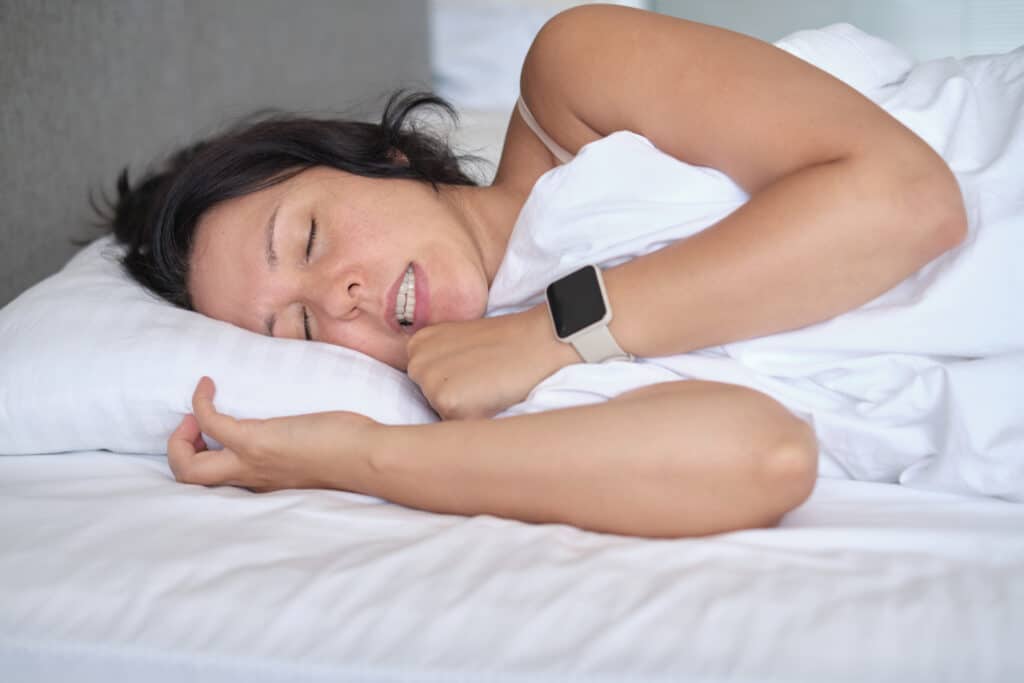
Bruxism, more commonly known as teeth grinding or clenching, is a prevalent yet often misunderstood dental condition. Characterized by the excessive wear of tooth surfaces and potential damage to the temporomandibular joints (TMJ), bruxism can lead to a host of dental and health-related issues if left unmanaged. In this informative guide, Glacier Creek Dental’s team of experts will explore the various facets of bruxism, including its causes, symptoms, and most importantly, effective treatment strategies.
Delving into the Causes of Bruxism
Bruxism doesn’t just occur for no reason—it is typically a response to various factors that can be either physical, psychological, or a combination of both. Understanding the root cause of your bruxism is crucial in finding the right treatment for you. Potential causes include:
- Stress and Anxiety: One of the leading causes of bruxism, stress can manifest as unconscious jaw clenching and teeth grinding, especially during sleep.
- Misalignment of Teeth: When upper and lower teeth do not meet correctly, bruxism may occur as the body attempts to find a more comfortable position.
- Involuntary Nervous System Movements: Some neurological conditions can lead to bruxism as an involuntary movement.
- Lifestyle Factors: Certain lifestyle choices like alcohol consumption, smoking, or the use of recreational drugs may contribute to bruxism.
Recognizing the Symptoms of Bruxism
Bruxism often goes undiagnosed due to its primary manifestation during sleep. Yet, there are several clear signs that one may be grinding or clenching their teeth:
- Worn Tooth Surfaces: This is often the first indicator that bruxism is occurring.
- Increased Tooth Sensitivity: Grinding can thin out the enamel, leading to heightened tooth sensitivity to hot and cold foods.
- Jaw Pain and Tiredness: Pain and stiffness in the jaw muscles, especially in the morning, are common symptoms of bruxism.
- Other Secondary Symptoms: These may include headaches, earaches, and damaged dental fillings or crowns due to the forces involved in clenching and grinding.
The Impact of Bruxism on Oral Health
Beyond the apparent wear on tooth surfaces, bruxism can have severe consequences for one’s oral health:
- Enamel Damage: The enamel, which is the protective outer layer of the tooth, can wear down, potentially leading to tooth fractures and cavities.
- Gum Recession: The excessive forces on teeth can lead to gum recession, which can expose the tooth root and increase the risk of decay and sensitivity.
- TMJ Disorders: Chronic bruxism can result in painful problems with the TMJ, leading to difficulty in opening and closing the mouth and even locked jaws.
Diagnostic Tools for Bruxism
To diagnose bruxism, a dentist might employ various tools and techniques:
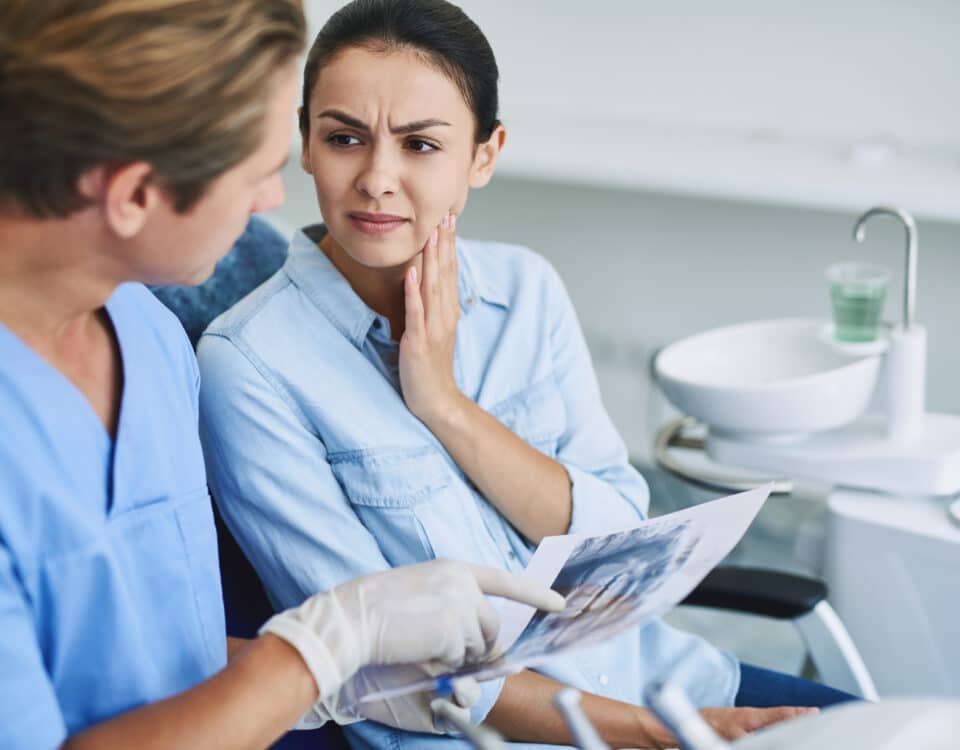
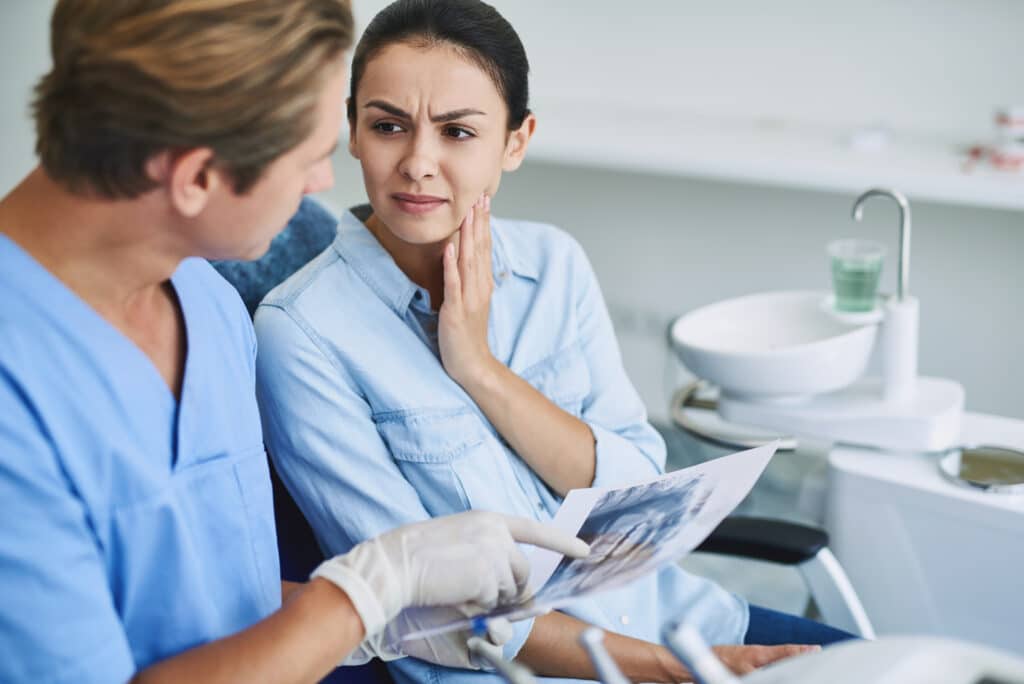
- Physical Examination: A visual exam of the mouth and jaw to look for signs such as excessive tooth wear, jaw tenderness, and damaged teeth.
- X-rays: Used to assess the extent of damage to the teeth and surrounding tissues.
- Dental Models: Physical or digital models of the teeth may be used to identify patterns of tooth wear indicative of bruxism.
- Sleep Studies: In some cases, a sleep study might be recommended to confirm bruxism occurring during sleep.
Conservative Treatment Methods for Bruxism
Exploring non-invasive treatment options should always be the first step in managing bruxism:
- Stress Management Techniques: Engaging in stress-reducing activities such as meditation, yoga, or therapy can help reduce bruxism triggered by anxiety.
- Mouthguards: Custom dental mouthguards are often recommended to protect the teeth from grinding and to minimize the effects of clenching.
- Muscle Relaxation Exercises: Simple stretching and relaxation techniques can help release muscle tension in the jaw.
Advanced Interventions for Severe Bruxism
For severe and persistent bruxism, more advanced treatments may be necessary:
- Medication: Muscle relaxants and anti-inflammatory medications can be prescribed to alleviate the symptoms of bruxism.
- Botox Injections: In some cases, injections into the jaw muscles can reduce the force and frequency of clenching and grinding.
- Orthodontic Treatments: In cases where tooth misalignment is the cause, orthodontic treatments may be needed to correct the issue.
- Therapies: Both physical therapy and behavioral therapies can be effective in reducing bruxism over time.
The Role of Lifestyle Changes in Bruxism Management
The adjustment of certain habits can complement professional treatments in managing bruxism:
- Dietary Modifications: Avoiding foods and drinks high in sugar and acid can help protect weakened enamel.
- Hydration: Staying properly hydrated can help reduce muscle tension, including the jaw muscles.
- Reducing Stimulants: Cutting back on stimulants like caffeine can help minimize the chance of grinding teeth.
Self-Help Strategies for Bruxism
In addition to professional treatments, there are several strategies that individuals can adopt to help alleviate bruxism:
- Sleep Hygiene: Ensuring a good sleep routine and environment can help minimize sleep-related bruxism.
- Oral Positioning: Maintaining the tongue against the roof of the mouth with teeth slightly apart during the day can help reduce clenching.
- Avoiding Chewing on Hard Objects: Chewing on pens, ice, or fingernails should be avoided as it can exacerbate bruxism.
The Prognosis for Bruxism Treatment
The outlook for bruxism treatment is generally favorable. With the right combination of professional care and self-management, many individuals find relief from bruxism:
- Early Intervention: Addressing bruxism as soon as possible can prevent more severe damage to teeth and oral structures.
- Consistent Treatment Plan: Following a structured treatment plan and staying consistent with self-help measures can significantly reduce bruxism symptoms.
- Regular Monitoring: Periodic follow-ups with dental professionals can help monitor the effectiveness of treatments and make adjustments as needed.
Make an Appointment with Glacier Creek Dental
Bruxism is a complex condition with a variety of underlying causes. If you are experiencing any symptoms or suspect you may be grinding or clenching your teeth, it is essential to seek professional help. At Glacier Creek Dental, our team of experienced dentists can provide a comprehensive assessment and develop a personalized treatment plan to address your bruxism. Contact us today to schedule an appointment and take the first step towards improved oral health!