Why Brushing Your Teeth is So Important
October 31, 2024
Restore Your Smile with Same-Day Dental Crowns
November 15, 2024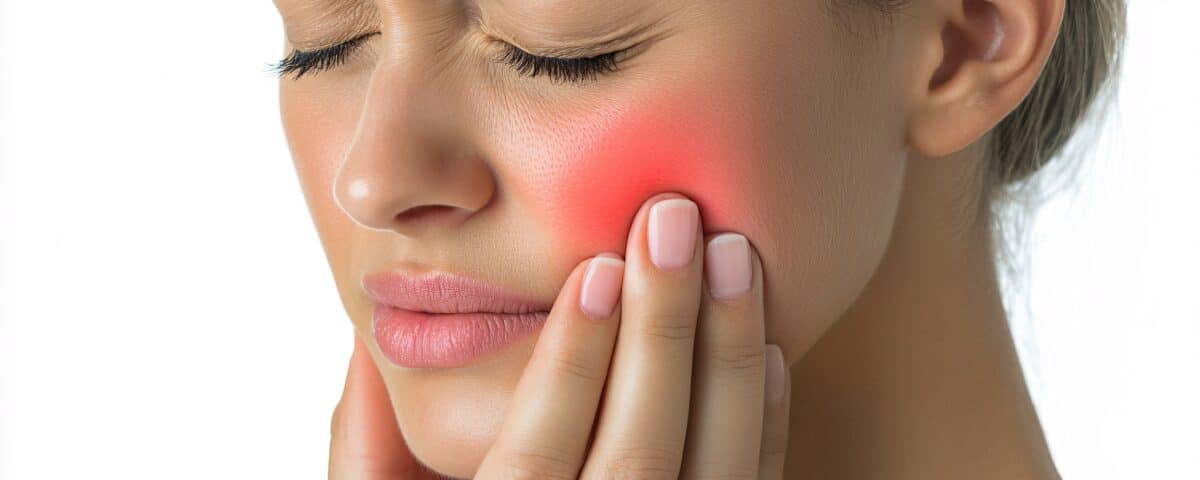
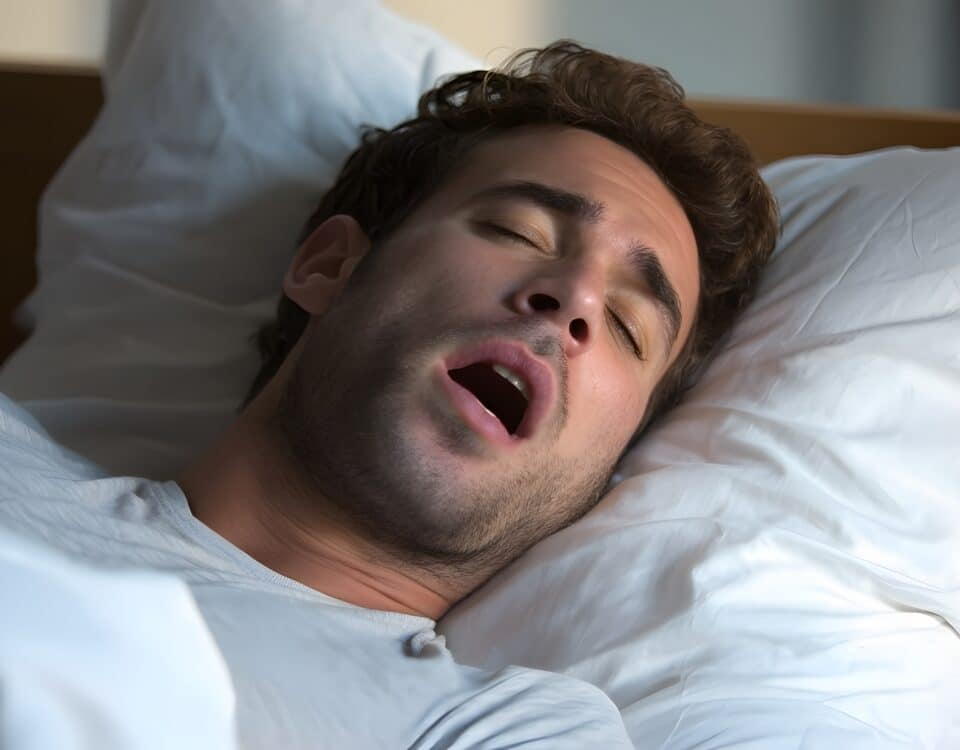
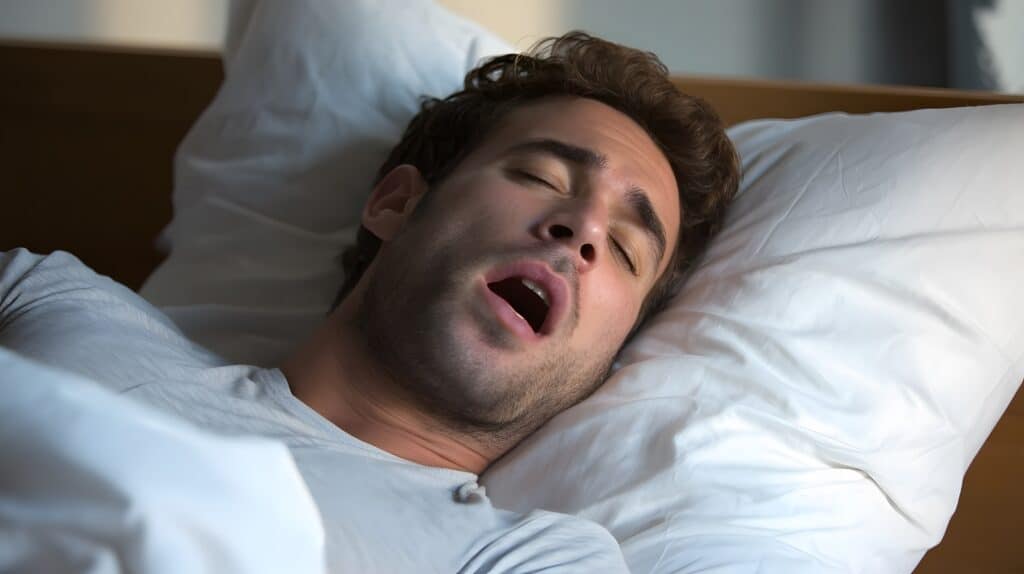
Teeth grinding, also known as bruxism, is a common but often overlooked condition that affects millions of people—especially at night. If you wake up with a sore jaw, sensitive teeth, or an aching head, you might be unknowingly grinding your teeth while you sleep. While teeth grinding can be a temporary issue for some, for others, it can lead to long-term dental and health problems, such as worn-down teeth, jaw pain, and even TMJ (temporomandibular joint) disorders.
At Glacier Creek Dental, we understand the impact that bruxism can have on your overall health and comfort. Fortunately, there are steps you can take to stop grinding your teeth and protect your smile. In this blog, we’ll explore the causes of teeth grinding, how it affects your health, and practical tips to help you stop the habit.
What Causes Teeth Grinding?
Teeth grinding can happen for several reasons, and understanding the root cause is key to finding an effective solution. Here are the most common causes of bruxism:
- Stress and Anxiety: Emotional stress, anxiety, and tension are some of the leading causes of nighttime teeth grinding. People who are under stress may unconsciously clench their jaw or grind their teeth as a physical response.
- Sleep Disorders: Conditions like sleep apnea, snoring, or restless leg syndrome can increase the likelihood of bruxism. When your airway is blocked during sleep or you have trouble staying in a deep, restful state, it can lead to teeth grinding as your body tries to cope.
- Misaligned Teeth or Bite Problems: When your teeth or jaw aren’t properly aligned, your bite may feel uneven, leading to grinding as your body tries to find a comfortable resting position.
- Medications or Substance Use: Certain medications, especially antidepressants, can contribute to bruxism. Additionally, the use of stimulants like caffeine or recreational drugs may also increase the risk of grinding.
- Genetics: Bruxism can run in families, suggesting a genetic predisposition. If your parents had issues with teeth grinding, there’s a higher chance you might experience it as well.
The Impact of Teeth Grinding
While bruxism might seem like a harmless habit, it can have serious long-term consequences on your dental and overall health. Some of the common effects include:
- Worn-Down Teeth: Chronic grinding can cause the enamel to wear away, leading to tooth sensitivity, cavities, and even tooth fractures.
- Jaw Pain and Tension: Constant clenching or grinding puts pressure on your jaw muscles and the temporomandibular joint (TMJ), leading to discomfort, pain, and potential TMJ disorders.
- Headaches and Facial Pain: Teeth grinding can lead to morning headaches, jaw aches, and facial soreness, all of which can affect your daily life and productivity.
- Disrupted Sleep: Grinding your teeth can contribute to a restless night’s sleep, leading to tiredness and irritability the next day.
Tips to Stop Grinding Your Teeth at Night
Now that we’ve covered the causes and effects of bruxism, let’s dive into some practical tips and treatments to help you stop grinding your teeth at night.
1. Consider a Night Guard
One of the most effective ways to protect your teeth from the damaging effects of grinding is by wearing a night guard. This custom-fit appliance is designed to fit over your teeth while you sleep, preventing them from grinding against each other. Night guards help protect the enamel and reduce the strain on your jaw muscles. At Glacier Creek Dental, we offer personalized night guards tailored to your specific bite, ensuring maximum comfort and protection.
2. Manage Stress and Anxiety
Since stress and anxiety are major contributors to teeth grinding, finding ways to relax before bed can make a significant difference. Practices like meditation, deep breathing exercises, or progressive muscle relaxation can help reduce stress levels and prevent the urge to grind your teeth. Incorporating calming activities such as reading, journaling, or taking a warm bath before bed can also help signal to your body that it’s time to wind down.
3. Establish a Bedtime Routine
Creating a consistent, relaxing bedtime routine can improve the quality of your sleep and reduce the likelihood of teeth grinding. Avoiding stimulants like caffeine or nicotine in the evening, turning off electronic devices at least an hour before bed, and making your sleep environment as comfortable and peaceful as possible can promote deep, restorative sleep and reduce the triggers for bruxism.
4. Address Sleep Disorders
If you suspect that your teeth grinding is related to a sleep disorder like sleep apnea, it’s important to get evaluated by a healthcare professional. Conditions like sleep apnea can disrupt your sleep cycle, leading to teeth grinding as your body struggles for air. Treatment for sleep apnea, such as CPAP therapy or an oral appliance, can help alleviate both the grinding and the underlying sleep issues.
5. Correct Your Bite
If your teeth or jaw alignment is contributing to bruxism, it may be worth consulting with your dentist about orthodontic treatment or bite adjustment. A misaligned bite can cause uneven pressure on your teeth, leading to grinding as your body tries to compensate. Correcting the alignment can relieve the need for grinding and protect your teeth from future damage.
6. Limit Stimulants and Alcohol
Avoiding stimulants, such as caffeine, alcohol, and certain medications before bedtime can help reduce the likelihood of teeth grinding. These substances can increase muscle tension and disrupt sleep patterns, both of which can exacerbate bruxism.
7. Practice Jaw Exercises
Gentle jaw exercises can help relieve muscle tension in the jaw and face, which may reduce grinding. Simple exercises like opening and closing your mouth slowly or massaging the jaw muscles can help relax the area. If you’re unsure of which exercises are best, ask your dentist or healthcare provider for recommendations.
When to Seek Professional Help
If your teeth grinding continues despite trying these tips, or if you’re experiencing significant pain or damage to your teeth, it’s important to consult with your dentist. At Glacier Creek Dental, we offer comprehensive evaluations to determine the underlying cause of your bruxism and provide personalized treatment options, including night guards, orthodontic care, and referrals to specialists if needed.
It’s important to address teeth grinding sooner rather than later, as the longer you grind, the more damage it can cause to your teeth and jaw. With the right treatment plan, you can stop grinding your teeth, protect your smile, and enjoy better, more restful sleep.
Make an Appointment with Glacier Creek Dental
Teeth grinding at night is a common but often treatable condition. By understanding the causes and taking proactive steps, you can reduce or eliminate bruxism and protect your oral health. Whether it’s through a custom night guard, stress management, or addressing any underlying sleep disorders, there are effective solutions available to help you stop grinding your teeth at night. At Glacier Creek Dental, we’re here to help guide you through the process of finding the right treatment and ensuring your teeth stay healthy and pain-free.
If you think you might be grinding your teeth at night or if you’re experiencing any symptoms of bruxism, contact us today to schedule a consultation. Together, we can create a plan to protect your smile and improve your quality of life.