The Magic of Dental Bonding: Ways to Fix Chips, Cracks, and Gaps
March 21, 2025
Why Regular Checkups Matter
April 3, 2025
Bruxism, the medical term for teeth grinding and jaw clenching, is a common issue that affects many people, often without them even realizing it. Whether it happens during the day or, more commonly, at night, bruxism can lead to significant dental damage if left untreated. At Glacier Creek Dental, we understand how important it is to protect your smile and maintain your oral health. In this blog, we’ll discuss what bruxism is, how it can affect your teeth, and the steps you can take to prevent and treat it.
What is Bruxism?
Bruxism refers to the involuntary grinding of teeth and clenching of the jaw. It often occurs during sleep, making it harder for people to notice. However, it can also happen during the day, especially during times of stress or anxiety. Many people with bruxism don’t realize they are doing it, but the consequences can be severe.
How Bruxism Affects Your Teeth and Oral Health
If left untreated, bruxism can lead to a range of oral health issues, including:
- Worn Down Teeth: Continuous grinding can wear down tooth enamel, making your teeth more susceptible to cavities, sensitivity, and fractures.
- Jaw Pain and Tension: Bruxism can cause pain in the jaw muscles, leading to discomfort or even temporomandibular joint (TMJ) disorders.
- Headaches: The pressure from clenching your jaw can cause tension headaches, especially around the temples.
- Tooth Sensitivity: As tooth enamel wears away, teeth can become more sensitive to hot, cold, and sweet foods or drinks.
- Cracked or Broken Teeth: Persistent grinding can lead to cracked or broken teeth, which may require restorative treatments like fillings or crowns.
- Gum Recession: The excessive pressure from grinding can also contribute to gum recession, leading to longer-looking teeth and potential gum disease.
Signs You May Have Bruxism
Since many people grind their teeth during sleep, it can be difficult to spot the issue without professional help. However, there are some common signs of bruxism:
- Sore or tight jaw muscles upon waking up
- Teeth that are worn down, flattened, or chipped
- Increased tooth sensitivity
- Frequent headaches, especially in the morning
- Clicking or popping sounds in the jaw
- Jaw or tooth pain, particularly in the morning
- Disrupted sleep or feeling fatigued during the day
If you experience any of these symptoms, it’s important to contact Glacier Creek Dental for a thorough evaluation.
How to Prevent and Protect Your Smile from Bruxism
While bruxism can be challenging to manage, there are several effective steps you can take to protect your smile:
1. Mouthguards or Night Guards
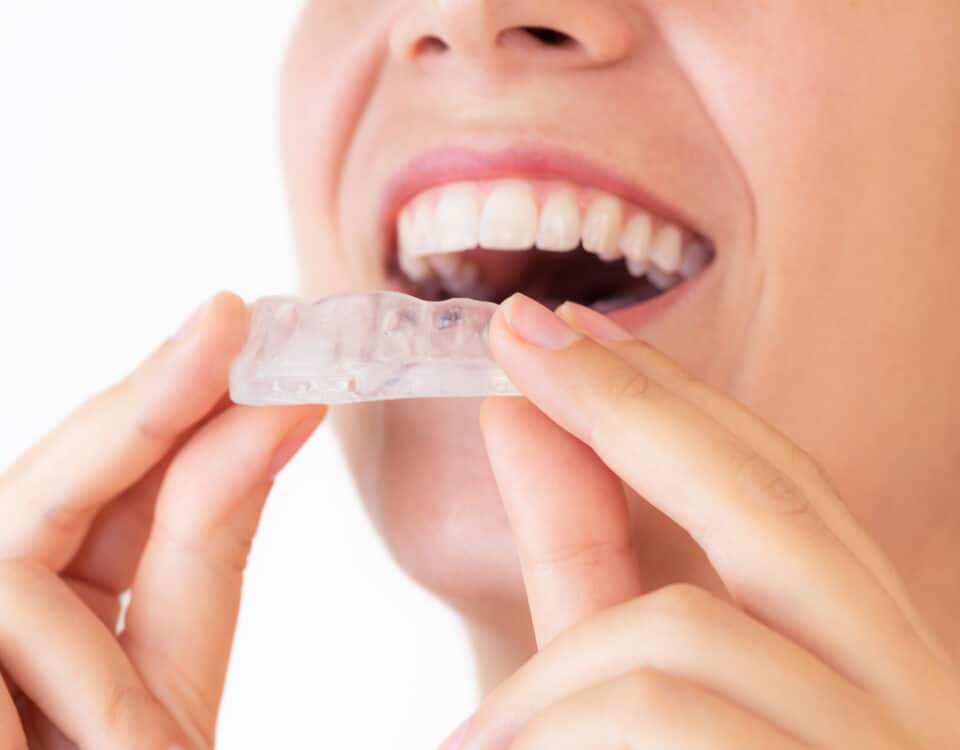
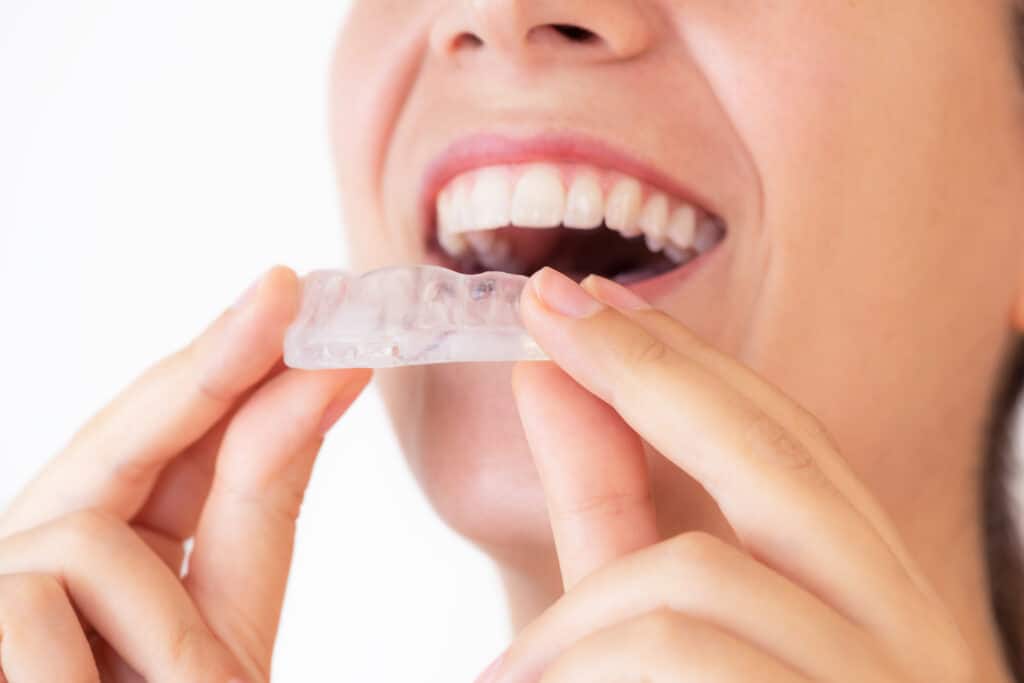
One of the most common and effective treatments for bruxism is wearing a custom night guard. These devices are designed to be worn while you sleep to protect your teeth from the damaging effects of grinding and clenching. At Glacier Creek Dental, we offer custom-fit night guards tailored to your unique dental structure, providing a comfortable and effective solution.
2. Stress Management
Since stress and anxiety are major triggers for bruxism, finding ways to manage stress can help reduce or prevent grinding. Consider incorporating relaxation techniques like yoga, meditation, deep breathing exercises, or even regular exercise to reduce overall stress levels. Engaging in calming activities before bedtime, such as reading or taking a warm bath, can also help promote relaxation and reduce the urge to grind your teeth.
3. Avoid Caffeine and Alcohol
Both caffeine and alcohol can increase the likelihood of grinding your teeth. Caffeine is a stimulant that can heighten your stress levels and make it harder to relax, while alcohol can interfere with your body’s natural ability to relax during sleep. Try to limit your consumption of these substances, especially in the hours leading up to bedtime.
4. Correct Your Bite
Sometimes, bruxism can be caused or exacerbated by misaligned teeth or bite problems. If your teeth don’t fit together properly, it can increase the likelihood of grinding. At Glacier Creek Dental, we offer a variety of orthodontic treatments, such as braces or clear aligners, to help correct bite issues and reduce the strain on your teeth and jaw.
5. Regular Dental Check-ups
Regular visits to the dentist are crucial for identifying and addressing bruxism before it leads to serious dental issues. During your dental exam, we can check for signs of wear and tear on your teeth, as well as assess your jaw for any signs of TMJ disorders or other issues related to bruxism. Catching problems early can help prevent long-term damage and allow for early intervention.
6. Proper Sleep Hygiene
Since bruxism often occurs during sleep, improving your sleep hygiene can be helpful. Aim for a consistent sleep schedule, create a relaxing bedtime routine, and ensure that your sleep environment is comfortable and free from distractions. Avoid heavy meals or excessive screen time before bed to promote better sleep quality.
Treatment Options for Bruxism
In addition to preventive measures, there are several treatments available for managing bruxism:
- Botox Injections: In some cases, Botox injections can help relax the muscles responsible for teeth grinding, reducing the frequency and intensity of bruxism.
- Dental Restoration: If bruxism has already caused significant damage to your teeth, we may recommend restorative treatments like crowns, veneers, or fillings to repair your teeth and restore their function.
- Physical Therapy: For severe jaw pain or tension, physical therapy may be recommended to relieve muscle strain and improve jaw function.
Make an Appointment Today!
Bruxism is a common but serious condition that can lead to long-term dental and oral health issues if left untreated. However, with the right preventive measures and treatments, you can protect your smile and reduce the impact of teeth grinding and jaw clenching. If you think you may have bruxism, don’t wait to seek help. Contact Glacier Creek Dental today to schedule a consultation and learn more about how we can help protect your smile from bruxism. Together, we’ll ensure your teeth stay healthy, strong, and beautiful for years to come!