Why Families Trust Glacier Creek Dental for Honest, Compassionate Care
June 6, 2025
Cosmetic Dentistry at Glacier Creek: Smile with Confidence Again
June 19, 2025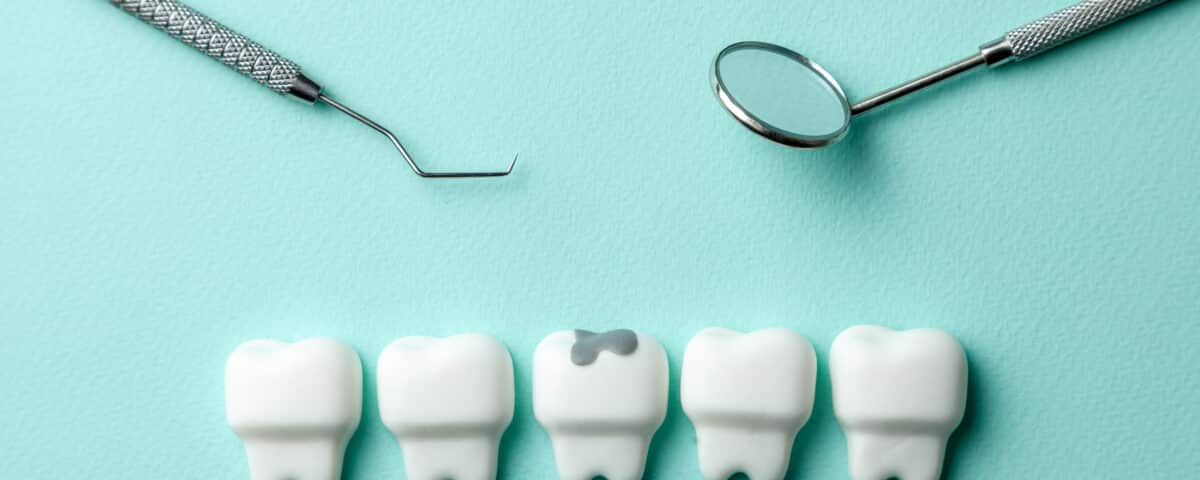
Cavities—also known as dental caries or tooth decay—are among the most common oral health issues people face. While prevalent, cavities are largely preventable and highly treatable, especially when caught in their early stages. If you’re living in the Fort Collins area and wondering what to do about cavities, you’re in the right place. At Glacier Creek Dental, we specialize in caring for smiles of all ages, providing cutting-edge treatments, personalized prevention plans, and compassionate support.
Understanding Cavities: What Causes Them and How They Progress
Before diving into treatment and prevention, it helps to understand how cavities begin and what factors contribute to their development. Cavities form through a process that starts with plaque, a sticky film of bacteria that constantly forms on your teeth.
The Cavity Formation Process
- Plaque Buildup
After eating or drinking, especially sugary or starchy foods, bacteria in your mouth feed on residual sugars. As they digest these sugars, they produce acids that cling to the enamel of your teeth. - Acid Attack
These acids gradually dissolve the minerals in your tooth enamel in a process called demineralization. Over time, if saliva (your natural defense system) and fluoride from toothpaste or water can’t replenish those minerals, enamel becomes increasingly weakened. - Enamel Breakdown
Once enamel is compromised, the acid has deeper access—moving into the next layer, dentin. Dentin is softer and more susceptible to further decay. This is usually when cavities become visible or symptomatic. - Spread of Decay
If not treated, the decay can penetrate even deeper areas of the tooth, eventually reaching the pulp—the sensitive inner core containing nerves and blood vessels. This can become painful and may lead to infection.
Common Risk Factors for Cavities
- Frequent consumption of sugary or acidic foods and beverages
- Poor oral hygiene habits, such as infrequent brushing or flossing
- Dry mouth caused by medications or certain health conditions, which reduces saliva production
- Deep grooves or pits in molars that are hard to clean effectively
- Gum recession exposing tooth roots, which are not protected by enamel
- Inadequate fluoride exposure, either from water or dental products
By understanding how cavities develop, you can better appreciate the importance of early detection and effective countermeasures.
Spotting the Signs: How to Know You Might Have a Cavity
Some cavities trigger noticeable symptoms, while others progress silently in the early stages. Here are key warning signs to monitor:
- Tooth Sensitivity
Sharp, sudden pain when sipping hot drinks, cold water, or sweet substances can be a sign of enamel erosion or early cavities. - Localized Toothache
A persistent nagging pain in one area—especially during chewing—signals possible decay. - Visible Discoloration
White, brown, or black spots on the tooth surface may indicate enamel damage or hidden cavities. - Holes or Pits
Actual physical defects in the teeth, like small holes or rough surfaces, are a classic sign of cavities. - Bad Breath or Taste
Ongoing bad odors or a strange taste in your mouth can indicate bacteria buildup and decay.
What to Do If You Think You Have a Cavity: 5 Immediate Steps
If you notice any of the above symptoms, early action is critical. Here’s a step-by-step guide to address the issue as soon as possible:
1. Schedule an Appointment at Glacier Creek Dental
Don’t delay—schedule an appointment promptly. Digital X-rays and thorough dental exams will help us detect cavities that might not be visible yet and plan the best treatment.
2. Attend Your Dental Exam and X‑rays
Our team uses cutting-edge digital X‑ray technology, which uses significantly less radiation than traditional film and provides clear, detailed images. Alongside a visual exam, these X-rays help us spot hidden cavities between teeth or under existing fillings.
3. Review Your Treatment Plan
We’ll explain any decay detected and present your treatment options:
- Small cavities often require simple tooth‑colored fillings.
- Larger cavities reaching dentin may need composite or porcelain fillings, or even an inlay/onlay.
- Decay that has reached the nerve may necessitate a root canal to remove the infected tissue.
- Extensive decay might mean a crown or, in rare cases, extraction if the tooth cannot be restored.
4. Receive Treatment in Comfort
Every treatment is performed under local anesthesia to ensure you’re completely comfortable. We believe in open communication—feel free to ask questions at any stage. For those anxious about dental work, we also offer sedation options with proper prior consultation.
5. Follow Up for Check‑ups and Preventive Care
We don’t stop at treating cavities—we help you prevent new ones. Our follow‑ups include professional cleanings, fluoride applications, and dental sealants for molars that are prone to decay. We’ll also give you a customized oral hygiene plan suited to your lifestyle.
Detailed Treatment Options at Glacier Creek Dental
Tooth‑Colored Composite Fillings
Composite fillings are aesthetically pleasing, bonding directly to your tooth and maintaining the natural color of your smile. They are durable, require minimal removal of healthy tooth structure, and are excellent for small to medium cavities.
Porcelain Inlays and Onlays
For cavities too large for fillings but not extensive enough for crowns, we offer sturdy porcelain inlays and onlays. Custom‑made in dental labs, they fit precisely and are bonded in place to restore structure and beauty.
Dental Crowns
When a cavity compromises a major portion of the tooth, a crown can restore strength, function, and appearance. Our porcelain crowns are crafted for optimal durability and matched aesthetically to your other teeth.
Root Canal Therapy
If decay reaches the tooth’s pulp, a root canal removes infected tissue, cleans the canal, and seals it. Afterward, a crown restores integrity. Although root canals sound intimidating, they are routine procedures at Glacier Creek—performed with compassion and precision.
Tooth Extraction and Replacement
Tooth extraction is a last resort when decay is irreparable. When necessary, we offer gentle extractions with minimal discomfort. After healing, our options to restore chewing function and aesthetics include dental implants, bridges, or partial dentures.
Prevention is the Best Cure: How to Protect Your Smile
Nobody wants to go through a cavity treatment if they can avoid it. Here’s how to keep your teeth healthy long-term:
Daily Oral Hygiene
- Brush twice daily with fluoride toothpaste, ideally after meals.
- Use a soft-bristled toothbrush and replace it every 3–4 months—or sooner if bristles are frayed.
- Floss daily to clean plaque and food debris between teeth.
- Rinse with a fluoride mouthwash before bed for extra protection.
Healthy Diet Habits
- Limit sugary snacks and sodas to lower acid attack risk.
- Choose nutritious foods like cheese, vegetables, nuts, and yogurt.
- Rinse your mouth or chew sugar-free gum after meals to stimulate saliva.
Stay Hydrated
- Drink fluoridated water if available in Fort Collins—it helps remineralize enamel and keeps bacterial growth in check.
- Avoid drying mouth beverages like alcohol and caffeine, and if needed, use an oral moisturizing gel.
Regular Professional Cleanings and Exams
- Visit Glacier Creek Dental every 6 months, or more often if you’re high-risk.
- During visits, we clean below the gumline, polish surfaces, apply fluoride, and flag any early signs of decay.
Sealants and Fluoride Treatments
- Dental sealants protect molars with deep fissures.
- Professional fluoride treatments give an extra defense boost—ideal for kids, teens, and high-risk adults.
- Special Options for Children and Teens
At Glacier Creek Dental, we specialize in preventive and educational services for youth:
- Sealants protect young molars.
- Fluoride varnishes strengthen enamel.
- Personalized plans focus on diet, hygiene, and cavity risk.
- Family dental care promotes healthy lifelong habits.
At-Home Care: Hygiene Routine Tips
Reinforcing good habits at home makes a big difference in preventing cavities. Try these recommendations:
- Brush at night to remove the day’s plaque buildup.
- Use an oral irrigator (water flosser) if you have braces or find traditional floss tricky.
- Consider an electric toothbrush with timers to ensure full dental care.
- Track your brushing with apps that offer reminders and visual techniques to improve coverage.
When to Call Glacier Creek Dental
Call our office if you experience:
- Pain when biting or chewing
- Sensitivity that lingers after eating or drinking
- Unexplained discoloration
- Persistent toothache
- A crack, chip, or a new filling/ crown that feels odd
- Signs of infection—swelling, drainage, or fever
Reaching out at the first sign of trouble ensures faster, less invasive, and more affordable treatment.
Why Choose Glacier Creek Dental in Fort Collins
At Glacier Creek Dental, our mission is to deliver exceptional dental care in a welcoming, compassionate environment. Here’s what sets us apart:
- State-of-the-art technology: digital X-rays, intraoral cameras, and gentle techniques ensure precise and comfortable care.
- Holistic prevention: we guide you in building healthy habits for life.
- Family-friendly support: our team connects with kids and adults, easing anxiety and fostering trust.
- Personalized care: every treatment is tailored to your unique needs and desires.
Protect Your Smile with Glacier Creek Dental
Cavities are treatable—and even better, preventable with the right care. At Glacier Creek Dental in Fort Collins, CO, we’re committed to diagnosing issues early, treating them effectively, and equipping you with the tools to maintain a strong, healthy smile for life.
Whether you’ve noticed sensitivity, want to prevent future decay, or are overdue for a cleaning, don’t wait. Contact us today to schedule your appointment: