Signs You May Be Due for a Dental Cleaning
March 19, 2026
Spring Into a Healthier Smile: Your April Dental Care Checklist
April 2, 2026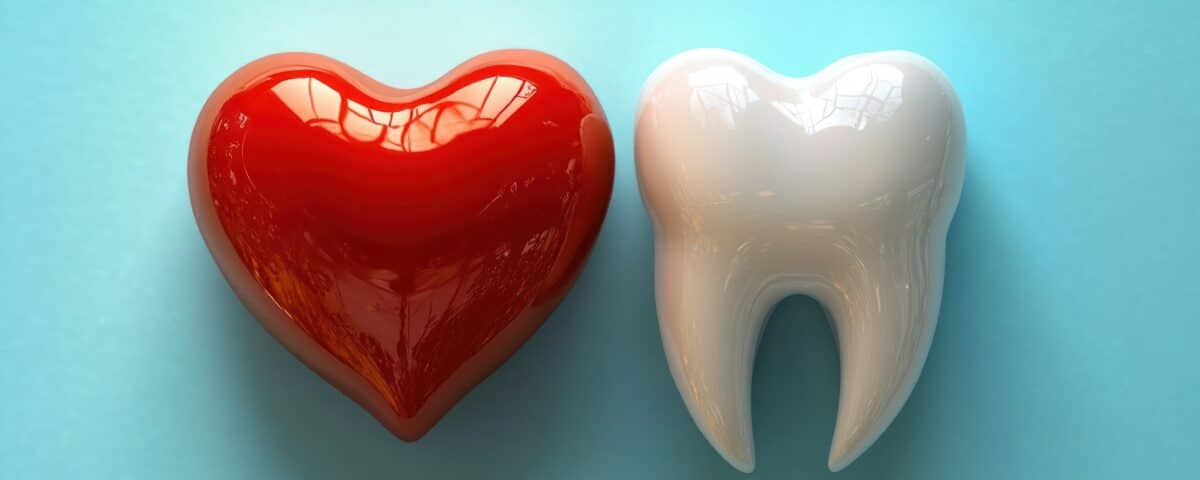
When most people think about oral health, they often focus on having a bright smile, fresh breath, and cavity-free teeth. While these are certainly important, the health of your mouth plays a much bigger role in your overall well-being than many people realize.
Your mouth is often called the gateway to the body, and for good reason. The condition of your teeth and gums can affect many other systems in the body, including your heart, immune system, digestive health, and even your mental well-being. Research continues to show a strong connection between oral health and whole-body health, making routine dental care one of the most important parts of maintaining overall wellness.
At Glacier Creek Dental, we believe that caring for your smile is also caring for your health. Here’s how oral health can impact the rest of your body.
The Connection Between Oral Health and Overall Health
Your mouth naturally contains bacteria. Most bacteria are harmless, but without proper brushing, flossing, and professional cleanings, harmful bacteria can multiply and lead to issues such as plaque buildup, cavities, and gum disease.
When gum disease develops, inflammation in the gums can allow bacteria to enter the bloodstream. Once this happens, it may contribute to inflammation in other parts of the body as well. This is why oral health is closely linked to several systemic health conditions.
Gum Disease and Heart Health
One of the most widely discussed connections is between gum disease and cardiovascular health.
Studies have found that people with periodontal disease, also known as advanced gum disease, may have a higher risk of heart disease, stroke, and clogged arteries. While researchers are still studying the exact relationship, chronic inflammation is believed to be one of the key factors.
Inflamed gums may increase inflammation throughout the body, which can affect blood vessels and heart function.
This means that maintaining healthy gums may support not only your smile but also your heart health.
Oral Health and Diabetes
The relationship between oral health and diabetes works both ways.
People with diabetes are more likely to develop gum disease because elevated blood sugar levels can make it easier for bacteria to grow in the mouth. At the same time, gum disease can make it more difficult to control blood sugar levels.
Because of this two-way connection, regular dental cleanings and gum care are especially important for patients living with diabetes.
Keeping the mouth healthy may help support better diabetes management.
Your Mouth and Respiratory Health
Poor oral hygiene may also affect respiratory health.
Bacteria from the mouth can sometimes be inhaled into the lungs, which may increase the risk of respiratory infections such as pneumonia, especially in older adults or those with weakened immune systems.
This is another reason why daily brushing, flossing, and professional cleanings are so important.
Pregnancy and Oral Health
Oral health is especially important during pregnancy.
Hormonal changes can make gums more sensitive and more likely to become inflamed, a condition often called pregnancy gingivitis.
Research has also found associations between severe gum disease and certain pregnancy complications, including preterm birth and low birth weight.
Routine dental care during pregnancy helps protect both mom and baby and supports a healthier pregnancy overall.
How Oral Health Affects Nutrition and Digestion
Healthy teeth play a major role in digestion.
Chewing is the first step in breaking down food, and when teeth are damaged, painful, or missing, it becomes more difficult to eat a balanced diet.
People dealing with tooth pain or missing teeth may avoid nutritious foods like fruits, vegetables, lean proteins, and nuts because they are harder to chew.
Over time, this can impact digestion, nutrient intake, and overall health.
Good oral health supports proper chewing and helps the digestive system work more efficiently.
The Impact on Mental and Emotional Well-Being
Oral health doesn’t just affect physical health — it can also impact confidence and emotional wellness.
Dental problems such as visible decay, bad breath, missing teeth, or gum recession can affect self-esteem and make people feel self-conscious when smiling, speaking, or socializing.
A healthy smile often helps patients feel more confident in everyday life, from personal interactions to professional settings.
Feeling confident in your smile can positively impact mental health and quality of life.
Warning Signs You Shouldn’t Ignore
Because oral health can affect the whole body, it’s important to address symptoms early.
Common signs that may indicate an oral health issue include:
- Bleeding gums
- Persistent bad breath
- Tooth sensitivity
- Loose teeth
- Swollen or red gums
- Pain while chewing
- Receding gums
- Frequent dry mouth
These symptoms may seem minor at first, but they can progress if left untreated.
How to Protect Your Oral and Overall Health
The good news is that many oral health issues are preventable.
Simple habits can make a big difference:
- Brush twice a day with fluoride toothpaste
- Floss daily
- Limit sugary foods and drinks
- Stay hydrated
- Avoid tobacco products
- Schedule regular dental exams and cleanings
- Address dental problems early
Preventive care is one of the best ways to protect both your oral health and your overall health.
Partner With Glacier Creek Dental for Whole-Body Wellness
At Glacier Creek Dental, we know that a healthy smile is about more than just appearances. Your oral health is deeply connected to your overall wellness, and regular dental care plays an important role in helping you stay healthy.
Whether you’re coming in for a routine cleaning, treatment for gum disease, or preventive care for the whole family, our team is here to support your health every step of the way.
Schedule your next visit with Glacier Creek Dental and invest in a healthier smile — and a healthier you.