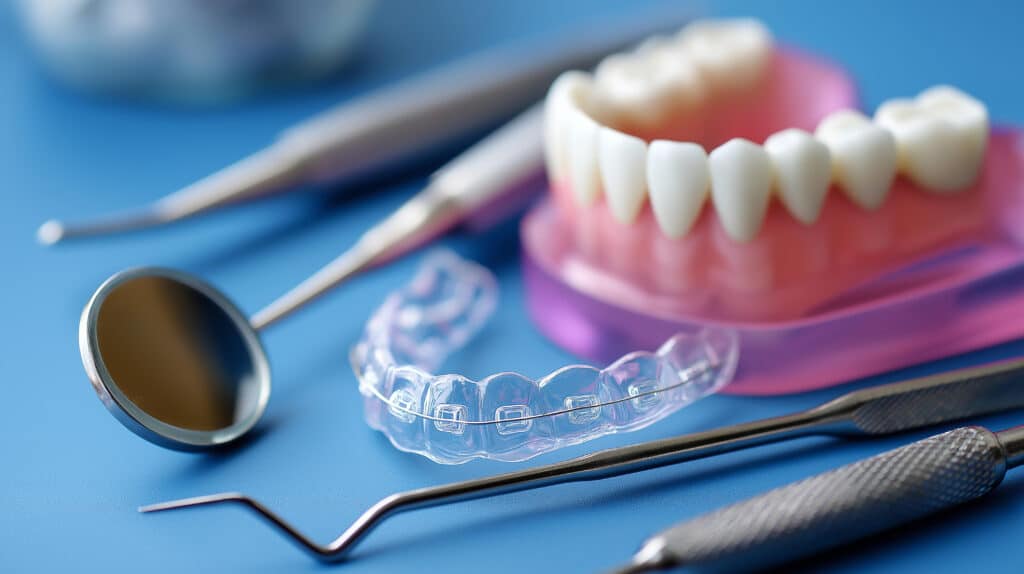
Dental Implants or Dentures: Which is Better For Replacing Missing Teeth?
September 30, 2022
Why Do My Gums Hurt When I Brush My Teeth? Causes and Solutions
October 13, 2022
October is Dental Hygiene Month, and that means it’s time to focus on your dental health! One of the most common problems people experience is bad breath. But what does bad breath mean, and what can you do about it? In this blog post, we will discuss the causes of bad breath and how to prevent it. We will also cover some steps you can take to improve your oral hygiene habits. So read on for tips on how to keep your smile healthy and sparkling!
Dental Hygiene Month: What Your Bad Breath is Trying to Tell You
Bad breath, also known as halitosis, can be embarrassing and frustrating. It’s also a common problem that many people suffer from. But what causes bad breath, and what can you do about it?
The first step in combating bad breath is to understand what causes it. The most common cause of bad breath is poor oral hygiene. This means that if you don’t brush and floss regularly, you’re more likely to suffer from bad breath. Food particles can get stuck in your teeth and start to rot, which causes a foul smell. Also, bacteria can build up on your tongue and gums, which can also cause bad breath.
Underlying Causes
Your bad breath could also be telling you that there is an underlying health condition. If you have a sinus infection or other respiratory condition, this could be the cause of your bad breath. Additionally, certain foods can cause bad breath. Causes of bad breath could include:
- Seasonal allergies
- Respiratory tract infections such as pneumonia or bronchitis
- Long-term (chronic) sinus infections
- Postnasal drip
- Diabetes
- Chronic acid reflux
- Gastrointestinal issues
- Chronic lung infection
- Liver or kidney problems
Dental Hygiene Month: Symptoms to Look Out For
In addition to bad breath, there are other symptoms you should look out for that could indicate a problem with your dental health. These include:
- Mouth pain
- Toothache
- Sensitive teeth
- Bleeding gums
- Swollen gums
- White patches on your tongue or inside of your cheek
These symptoms could indicate a more serious problem, such as an infection. If you experience any of these symptoms, you should see a dentist as soon as possible.
Dental Hygiene Month: How to Prevent Bad Breath
The best way to prevent bad breath is to practice good oral hygiene habits. This means brushing your teeth at least twice a day and flossing daily. You should also use mouthwash to help kill bacteria and freshen your breath. In addition, you should see a dentist regularly for checkups and cleanings.
If you have bad breath, there are some things you can do to try to freshen your breath. These include:
- Brushing your tongue: Use a toothbrush or tongue scraper to brush your tongue. This will help remove bacteria and food particles that can cause bad breath.
- Chewing sugar-free gum: Chewing gum can help stimulate saliva production, which can help rinse away bacteria and food particles.
- Drinking plenty of water: Drinking water helps keep your mouth hydrated and flushes away bacteria.
- Avoiding foods that cause bad breath: Some foods, such as garlic and onions, can cause bad breath. Avoiding these foods can help reduce the severity of your bad breath.
When to See a Dentist
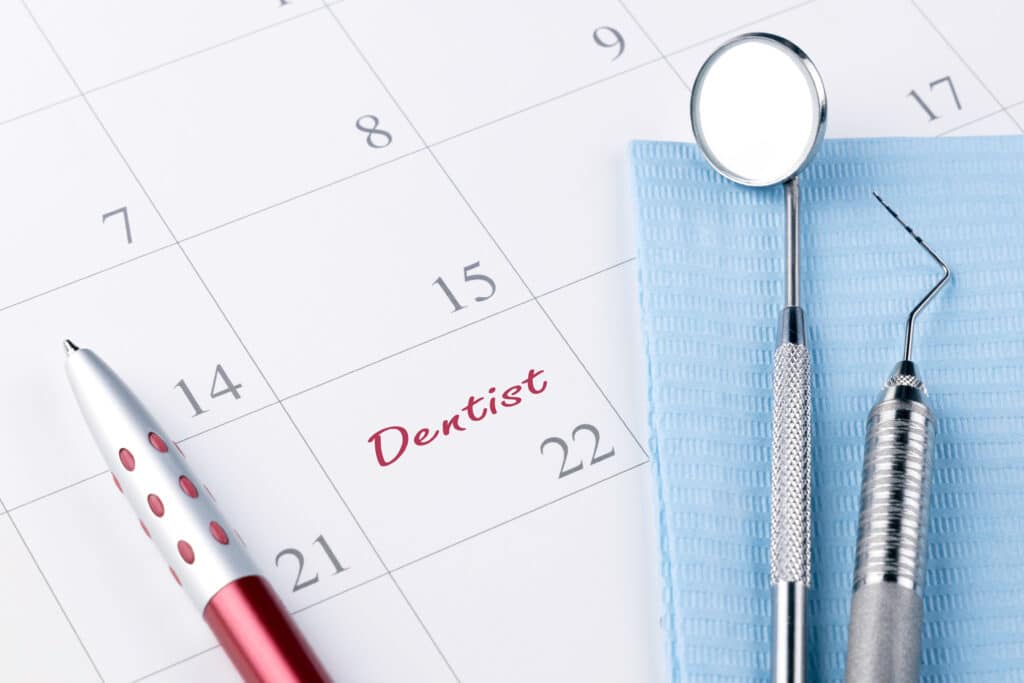
If you’re practicing good oral hygiene habits but are still suffering from bad breath, it’s a good idea to make an appointment with Glacier Creek Dental. We will be able to determine if there is an underlying cause of your bad breath and provide you with treatment options.
For causes related to oral health, your dentist will work with you to help you better control that condition. Dental measures may include:
- Mouth rinses and toothpastes. If your bad breath is due to a buildup of bacteria (plaque) on your teeth, your dentist may recommend a mouth rinse that kills the bacteria. Your dentist may also recommend a toothpaste that contains an antibacterial agent to kill the bacteria that cause plaque buildup.
- Treatment of dental disease. If you have gum disease, you may be referred to a gum specialist (periodontist). Gum disease can cause gums to pull away from your teeth, leaving deep pockets that fill with odor-causing bacteria. Sometimes only professional cleaning removes these bacteria. Your dentist might also recommend replacing faulty tooth restorations, a breeding ground for bacteria.
Make an Appointment with Glacier Creek Dental
Bad breath can be embarrassing and frustrating, but it doesn’t have to be a permanent condition. By understanding the causes of bad breath and taking steps to prevent it, you can keep your smile healthy and sparkling! If you’re concerned about bad breath or any other dental health issue, we invite you to make an appointment with Glacier Creek Dental. We will help you achieve and maintain optimal oral health!