Thanksgiving Tips to Protect Your Teeth
November 25, 2025
Holiday Smile Boost: How to Brighten Your Teeth Before Photos & Parties
December 9, 2025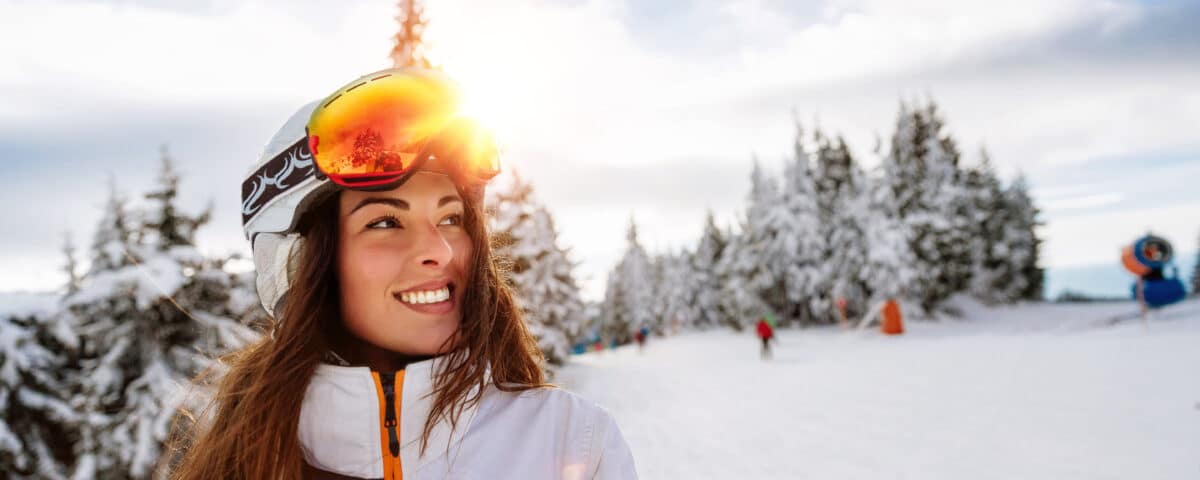
Winter in Colorado arrives with anticipation and excitement. For many, winter is the highlight of the year – weekends spent gliding down fresh powder, evenings warming up by the fire after a long day on the slopes, and holidays filled with travel, celebration, and adventure. However, with the thrill of winter sports comes increased risk for injuries, including those that impact one of your most important features: your smile.
While helmets, goggles, and proper layering are considered standard safety gear, dental protection is often overlooked. Yet every ski season, dental emergencies from slope accidents occur more frequently than most realize. Understanding the risks and preparing appropriately can help protect your teeth, gums, and jaw throughout the winter months. This season, Glacier Creek Dental in Fort Collins is committed to helping you enjoy every moment on the mountain while keeping your oral health secure.
Why Winter Sports Pose a Dental Risk
Skiing, snowboarding, ice skating, snowshoeing, hockey, sledding, and tubing have one thing in common – they involve speed, impact, and unpredictable terrain. A single fall can happen in seconds, and even a seemingly minor crash may result in dental trauma. Teeth may chip, crack, or fracture upon impact. The upper front teeth are particularly vulnerable, as they are often the first point of contact when a fall occurs.
Common dental injuries during winter sports include:
- Chipped or fractured teeth
- Knocked-out teeth
- Root fractures
- Soft tissue lacerations to the lips, tongue, and cheeks
- Jaw injuries, including dislocation or TMJ strain
- Tooth displacement or loosened teeth
Many injuries are preventable with proper equipment. Yet dental protection remains one of the least used pieces of gear on the mountain. A helmet guards the skull, but without additional protection, the teeth are left exposed and susceptible to high-impact force.
The Role of Mouthguards in Preventing Dental Injuries
The most effective form of dental protection for winter athletes is a well-fitted mouthguard. Although they are commonly associated with contact sports like football or hockey, mouthguards are equally important for skiing and snowboarding. High speed combined with hard surfaces – ice, compact snow, trees, lift rails, and even other skiers – puts the mouth at risk.
While store-bought or boil-and-bite guards offer some protection, they are not designed with the precision needed for optimal safety. A custom-fitted mouthguard, made by your dentist, conforms naturally to the teeth and jaw, reducing shifting, minimizing breathing interference, and offering superior shock absorption. For serious skiers or snowboarders who frequent the slopes, a custom mouthguard is an investment in long-term dental health and injury prevention.
The Connection Between Cold Weather and Tooth Sensitivity
Beyond injury risk, winter itself can trigger discomfort. Cold air exposure can lead to tooth sensitivity, particularly for individuals with enamel erosion, gum recession, or microscopic cracks in the teeth. The sudden temperature change from inhaling cold air or sipping hot drinks can cause short, sharp pain. This sensation may be intensified during high-altitude and high-wind activities.
To minimize cold-induced sensitivity:
- Use toothpaste formulated for sensitive teeth
- Avoid aggressive brushing and switch to a soft-bristle brush
- Stay hydrated, as dry mountain air can decrease saliva flow
- Limit acidic and sugary beverages, including sodas and hot cider
- Consider a fluoride treatment for added enamel protection
- Schedule an exam if sensitivity persists or worsens
Sensitivity is more than a seasonal inconvenience. It can indicate underlying issues such as enamel thinning, decay, or early-stage gum disease. Addressing discomfort early prevents larger dental concerns during the busy winter season.
Nutrition, Hydration, and Dental Health on the Slopes
Winter activities are physically demanding, and breaks at the lodge often include warm drinks and sweet snacks for energy. However, many winter favorites are high in sugar and acidity, contributing to increased plaque buildup, weakened enamel, and elevated risk for cavities.
Common slope-side treats that increase dental risk include:
- Hot chocolate with marshmallows
- Caramel apples or kettle corn
- Sports drinks and flavored hydration beverages
- Gummy candies and fruit chews
- Sweet coffee drinks topped with syrups and whipped cream
Enjoying these treats occasionally is part of the winter experience, but moderation and balance play a crucial role in maintaining strong teeth. Opting for cheese, nuts, granola, or fresh fruit can fuel the body without bathing the teeth in sugar. Following sugary foods with water also helps rinse away residue and maintain oral moisture levels.
Hydration is equally important. Cold weather often dulls the sensation of thirst, yet the body loses moisture rapidly at high altitude. Dehydration decreases saliva, leaving the mouth more vulnerable to bacteria and dry mouth discomfort. Regular water intake supports both overall wellness and dental health.
Winter Sports Dental Emergencies and What to Do
Even with precautions, accidents can still occur. Knowing how to respond quickly in a dental emergency can make the difference between saving and losing a tooth.
If a tooth is knocked out:
- Locate the tooth and handle only the crown, not the root.
- Rinse gently with water without scrubbing.
- If possible, place the tooth back into the socket and hold it in place.
- If replanting is not possible, store the tooth in milk or inside the cheek to maintain moisture.
- Seek emergency dental care immediately.
Timing is critical. Teeth have the best chance of survival when treated within 30 to 60 minutes. Cracked or fractured teeth also require prompt attention, especially if pain, sensitivity, or visible damage occurs.
For minor lacerations or broken restorations, contact Glacier Creek Dental as soon as possible to prevent complications. Waiting until after ski season may worsen the injury or increase the need for more complex treatment later.
Preparing Your Smile for Ski Season
A pre-season dental checkup is one of the simplest ways to safeguard your oral health before winter activities begin. A comprehensive exam allows your dentist to identify early signs of decay, weakened enamel, gum inflammation, or existing cracks that may worsen with cold weather or physical impact. Fluoride treatments, sealants, or restorative care may be recommended to strengthen the teeth before exposure to mountain conditions.
If you plan to spend the season on the slopes, consider having a custom ski mouthguard made to protect your teeth from injury. Small preparations now can prevent painful and costly emergencies later.
Your Winter Smile, Protected by Glacier Creek Dental
Ski season in Colorado is one of the greatest joys of living near the Rockies. From fresh powder weekends to holiday trips up the mountain, winter is meant to be embraced. With awareness, prevention, and the proper dental protection, you can experience every run, every jump, and every moment without compromising the health of your smile.
Glacier Creek Dental in Fort Collins is here to help you prepare for a safe, healthy, and vibrant winter. Whether you need treatment for sensitivity, guidance on cold-weather tooth care, an emergency response plan, or a custom mouthguard built for protection, our team is ready to support you through the season and beyond.
Schedule your winter consultation, mouthguard fitting, or exam today – and enjoy ski season confidently, knowing your smile is protected every step of the way.