5 Reasons Why You Should Never Skip Flossing
June 30, 2023
Find Out if You Qualify for Dental Implants
July 13, 2023
Are you experiencing discomfort after a root canal? If so, you’ll want to give your body all the support it needs to make a full recovery. In this blog post, we’ll discuss the best ways to support yourself following a root canal and provide tips for healing efficiently and quickly. From knowing what foods to eat and avoiding to understanding the importance of good oral hygiene practices – we have everything you need to know about root canal recovery.
The Effects of Tooth Decay
Before we discuss the best strategies for recovery after a root canal, let’s review the basics of tooth decay and how it affects your overall health. Tooth decay is caused by bacteria that feed on foods with high levels of sugar and starch. These substances form plaque on teeth, which then produces acid that leads to holes in the enamel. If left untreated, this can lead to infection that can spread deeper into the root of the tooth.
Decay of the enamel (otherwise known as a tooth cavity) can be simply cleaned and filled if detected early enough. But if the decay manages to escape timely detection and spreads to the pulp of the tooth (the live tissue that contains nerve endings, blood vessels, and nourishes the tooth), it can cause the following symptoms:
- severe tooth pain
- abscessed tooth (pus-filled infection at the roots of the tooth)
- swelling and inflammation in the face, neck, or head
- bone loss at the tip of the tooth root
- infection of the surrounding teeth and gums
- eventual tooth loss
Symptoms of Tooth Decay
Paying attention to your symptoms can make the difference between saving your tooth or losing it. The telltale signs of severe tooth decay are usually easy to spot, which may include:
- severe tooth pain or sensitivity when chewing or applying pressure
- persistent sensitivity/pain to hot or cold food/liquids, even after it’s gone
- tooth discoloration or darkening
- swelling and tenderness in the surrounding gum tissue
- a pimple on the gums that refuses to go away or keeps coming back
The Root Canal Procedure
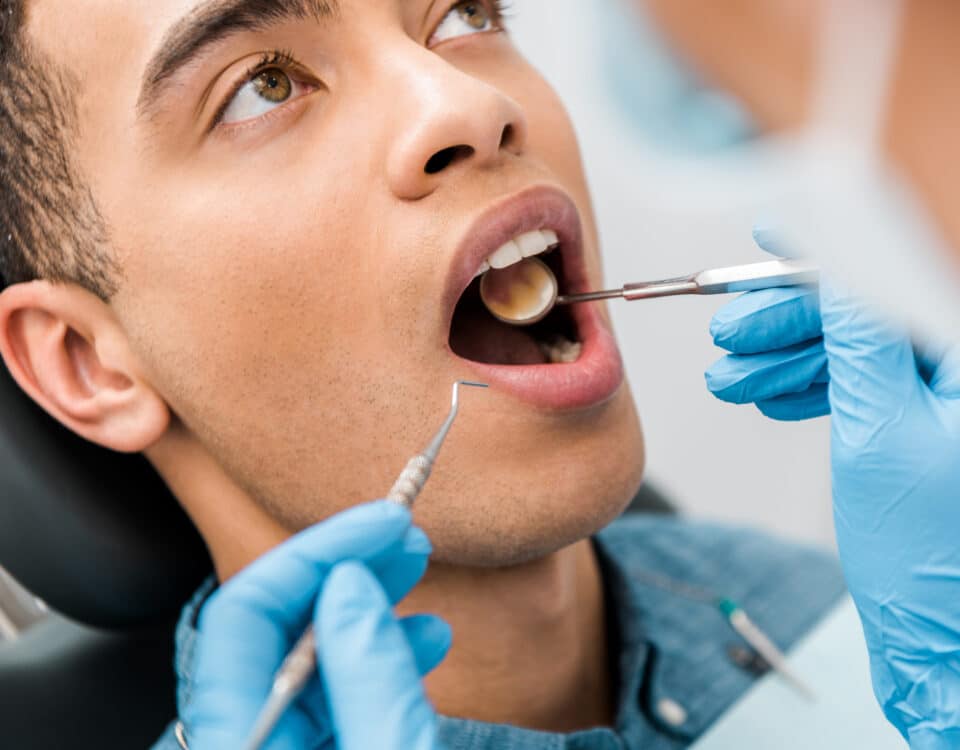
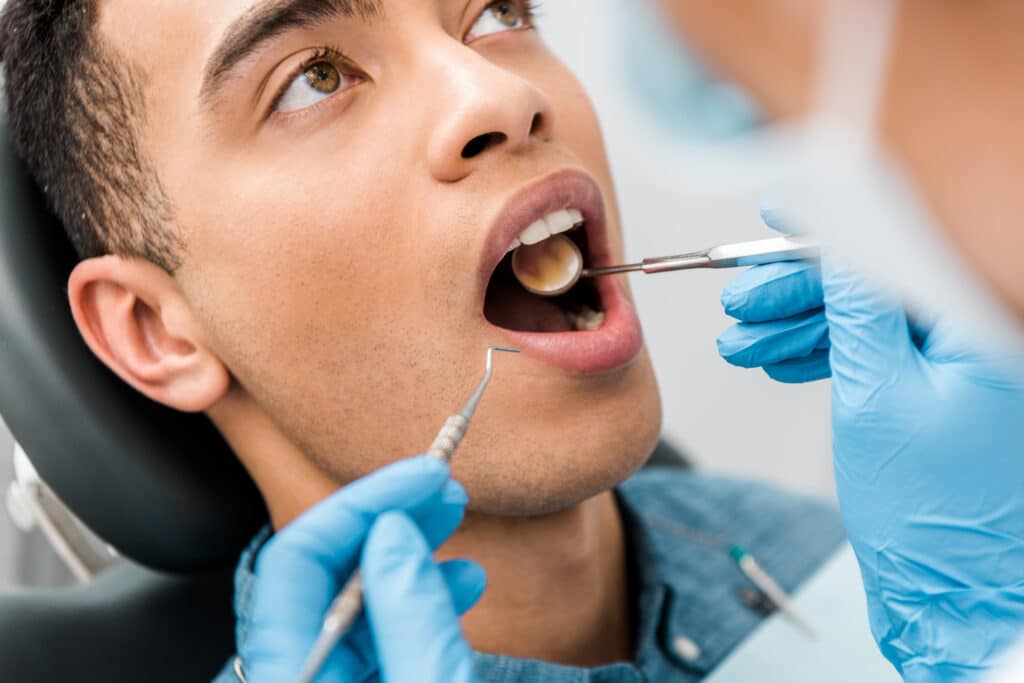
Getting a root canal can require multiple office visits, depending on the severity of your tooth’s condition. Before treatment can begin, the dentist will take digital X-rays of the affected tooth to assess the extent of the decay. Local anesthesia is then applied to the area surrounding the tooth, to spare you from any pain during the procedure. The dentist will drill into the tooth to remove the infected pulp and nervous tissue, along with any bacteria or debris. Once the tooth is thoroughly cleaned and emptied of pulp tissue, it will be sealed to prevent food or bacteria from getting inside. Further dental restoration work may be necessary depending on the extent of the decay, which is determined by your dentist on a case-by-case basis.
Though root canals have a terrible reputation, they are no more painful than having a filling replaced.
Supporting Recovery After a Root Canal
To support recovery after a root canal, you can take steps to make your body as comfortable as possible.
- Eat soft foods: After the procedure, you may experience sensitive teeth and jaw pain. To avoid further irritation, it’s important to eat soft foods after your root canal. This includes things like mashed potatoes, yogurt, soup, and cooked vegetables.
- Take anti-inflammatory medications: If you experience any swelling or discomfort in the area surrounding your tooth, taking an over-the-counter anti-inflammatory medication can help. Ibuprofen or naproxen can help reduce swelling and pain, but be sure to talk to your dentist before taking any medications.
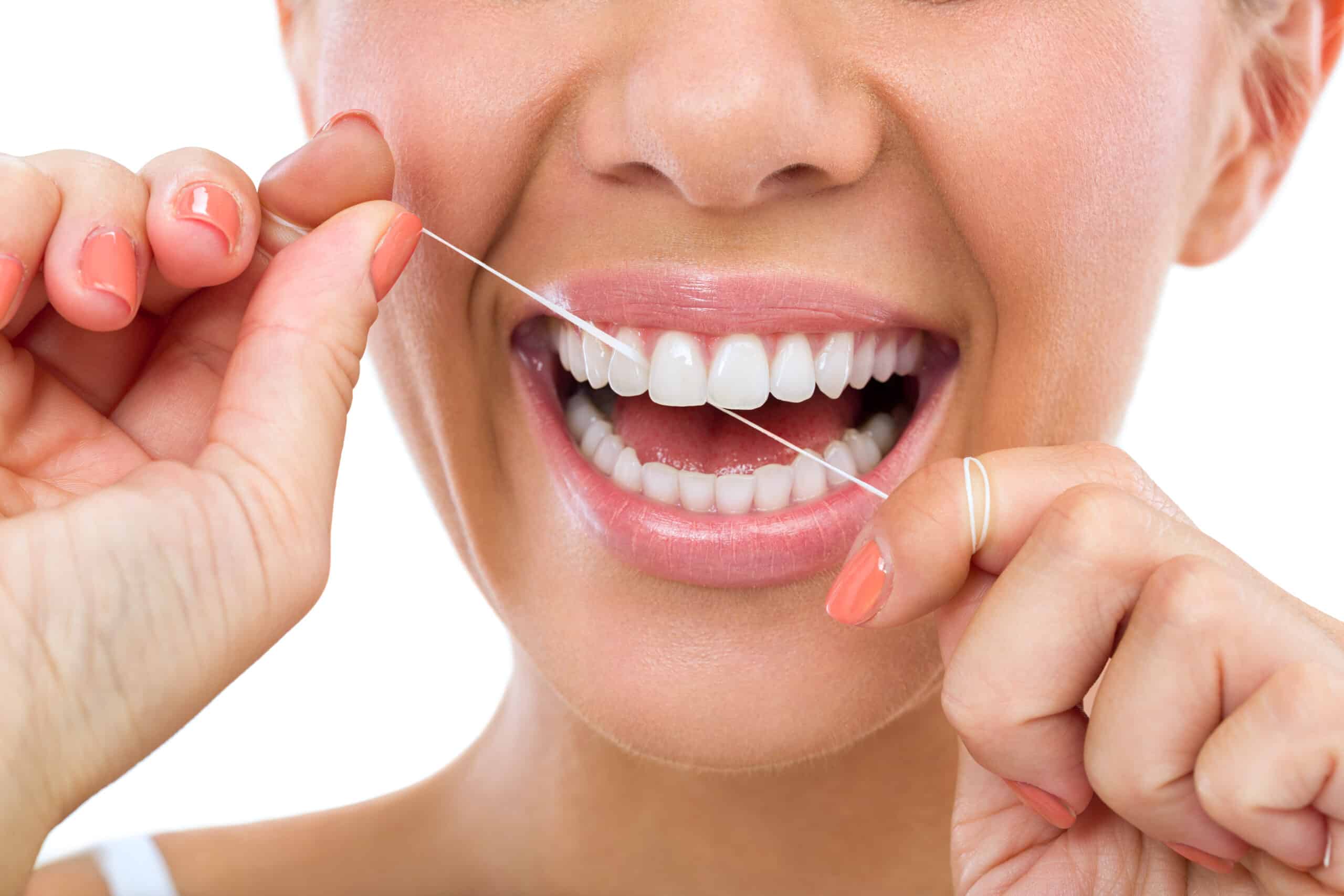
- Practice good oral hygiene: One of the most important things you can do following a root canal is practice good oral hygiene. Make sure you brush at least twice a day with a soft-bristled toothbrush and floss daily. This will help keep your teeth clean and free of bacteria that could lead to further decay.
- Follow Glacier Creek Dental’s instructions: Finally, make sure you follow any instructions given to you by your dentist after the procedure. This may include taking medications prescribed to prevent infection or avoiding certain activities until the area has healed completely. By following these steps, you can give your body the best chance of a full recovery after a root canal.
Make an Appointment with Glacier Creek Dental
At Glacier Creek Dental, we understand the importance of proper dental care and providing your teeth with the support they need to stay healthy. Our team of experienced dentists can help you make an informed decision about whether or not a root canal is right for you. Contact us today to schedule an appointment! We look forward to helping you maintain good oral health.