The Toothbrush Care Guide: When to Replace Your Toothbrush and Why
May 18, 2023
The Unexpected Causes of Bad Breath Nobody Told You About
June 2, 2023
Suffering from sleep apnea can be an incredibly disruptive experience, making it nearly impossible to get a good night’s rest. Fortunately, your dentist may be able to help you sleep better. When it comes to the treatment of sleep apnea, dentists are well-versed in providing solutions that could make all the difference in getting a good night’s rest. In this article, we will discuss how a dentist can assist you in dealing with your sleep apnea symptoms.
What is Sleep Apnea?
Sleep apnea is a sleep disorder that affects 18 million American adults annually, causing them to repeatedly stop and start breathing during the night. This condition can have serious implications on a person’s health, leading to issues such as high blood pressure, heart failure, stroke, depression, anxiety and other illnesses. There are two types of sleep apnea.
- Obstructive sleep apnea (OSA) happens when your upper airway becomes blocked many times while you sleep, reducing or completely stopping airflow. This is the most common type of sleep apnea. Anything that could narrow your airway such as obesity, large tonsils, or changes in your hormone levels can increase your risk for obstructive sleep apnea.
- Central sleep apnea happens when your brain does not send the signals needed to breathe. Health conditions that affect how your brain controls your airway and chest muscles can cause central sleep apnea.
Causes of OSA
This type of sleep apnea happens when the muscles in the back of the throat relax. These muscles support the soft palate, the triangular piece of tissue hanging from the soft palate called the uvula, the tonsils, the side walls of the throat and the tongue.
When the muscles relax, your airway narrows or closes as you breathe in. You can’t get enough air, which can lower the oxygen level in your blood. Your brain senses that you can’t breathe, and briefly wakes you so that you can reopen your airway. This awakening is usually so brief that you don’t remember it.
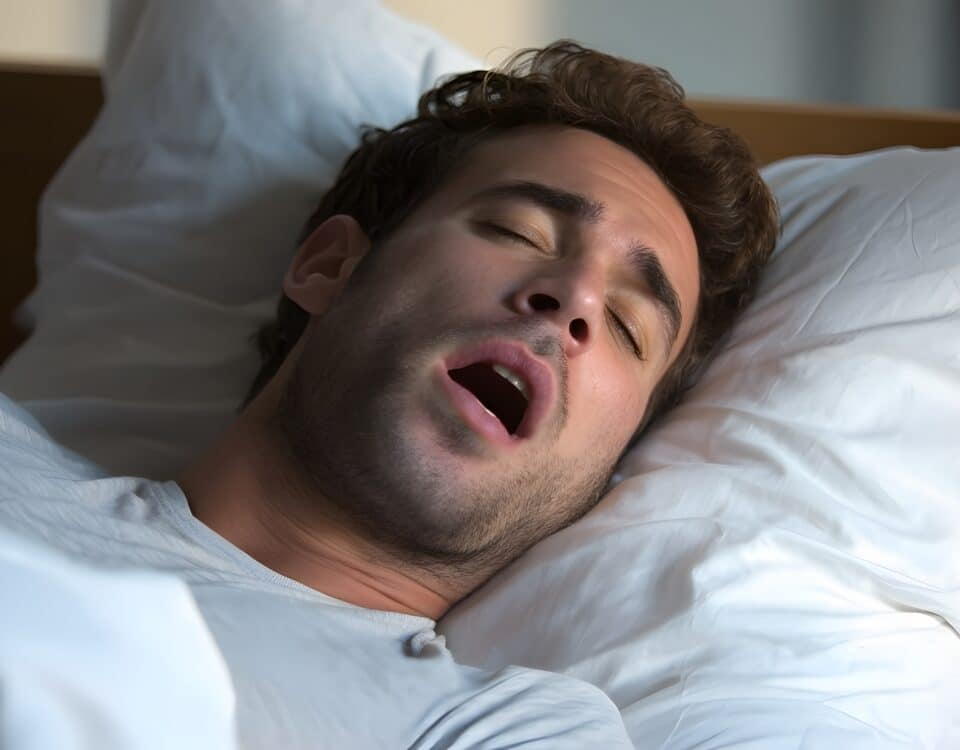
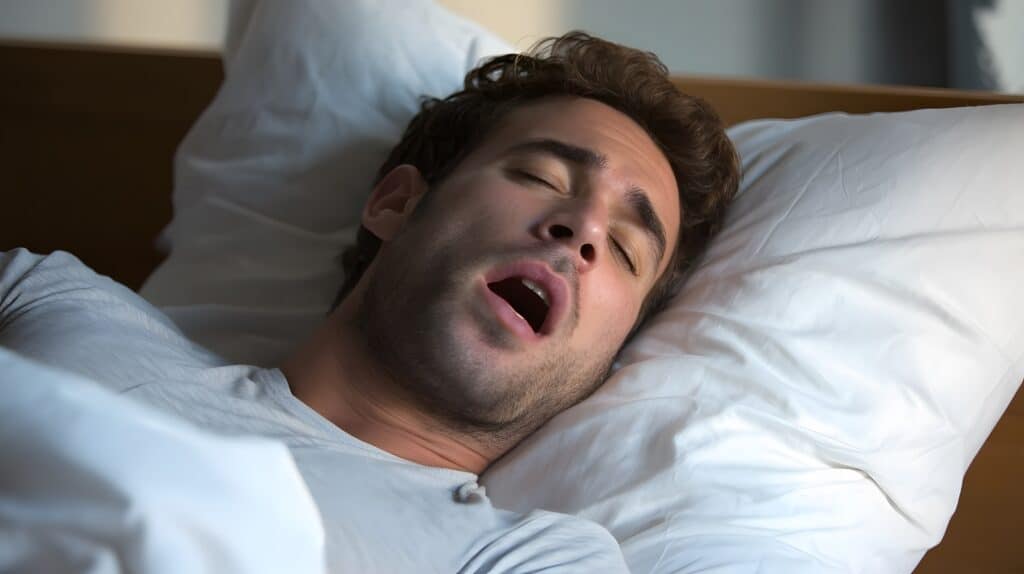
You might snort, choke or gasp. This pattern can repeat itself 5 to 30 times or more each hour, all night. This makes it hard to reach the deep, restful phases of sleep.
Symptoms of Sleep Apnea
If you experience any of the following symptoms, you may have obstructive sleep apnea:
- Loud snoring
- Waking up feeling short of breath or gasping for air
- Excessive daytime sleepiness and fatigue
- Morning headaches
- Insomnia
- Irritability and difficulty concentrating during the day
These symptoms can be disruptive to your daily life as well as your overall health. If you experience any of these signs, it is best to consult with a dentist or medical doctor for diagnosis and treatment.
Are You at Risk?
Your risk for developing sleep apnea can be aggravated by a variety of factors, which include:
- Being overweight
- Having a thick neck
- Having a narrow throat
- Being male
- Being older
- Excessive use of alcohol, tranquilizers, and sedatives
- Genetics
- Smoking
- Persistent nasal congestion
The Role of the Dentist in Treating Sleep Apnea
Dentists are trained in the recognition and management of sleep apnea, and they often work as part of a sleep team that includes physicians, psychologists and other healthcare professionals. Dentists can provide custom-made oral appliances (similar to an orthodontic retainer) that can be worn while sleeping. These devices help keep your airway open by moving the lower jaw forward which helps prevent the collapse of the airway during sleep. These devices also reduce snoring by keeping your tongue from falling back and blocking the airway.
In addition to providing relief from symptoms, dental appliances can help decrease long-term health risks associated with sleep apnea such as high blood pressure, stroke, heart failure and diabetes.
Your Treatment Options
There are 2 types of dental devices used for sleep apnea therapy, which must be custom-made by your dentist or orthodontist:
Jaw Advancing Device (JAD)/Mandibular Advancement Device (MAD)—
This is the most commonly prescribed mouth device for sleep apnea. This works by moving the jaw forward, which increases the size of your airway. This is also effective for preventing snoring.
Tongue retaining device—
This is recommended for milder cases of sleep apnea. The oral appliance works by holding the tongue in place as you sleep.
Though dental devices are effective and are generally preferred by most patients, it does have some disadvantages. You may experience jaw pain, movement of teeth, dry lips, and dry mouth. If the mouthpiece causes too much discomfort, we recommend a follow up visit so it can be adjusted for a better fit.
Make an Appointment with Glacier Creek Dental
Here at Glacier Creek Dental, we have successfully diagnosed and treated patients with sleep apnea, helping them get the much-needed sleep they deserve. We provide custom dental devices that comfortably keep your airways open as you sleep, so you can avoid using a machine or having to undergo surgery. To learn more about how we could help you get a better night’s rest, contact us today!