Signs You Might Need Orthodontic Care as an Adult
September 28, 2023
Regular Check Ups: Catching Problems Before They Start
October 12, 2023
A toothbrush is a key part of your dental hygiene routine. It’s the tool that helps you clean your teeth and keep your mouth healthy. However, many people neglect to take proper care of their toothbrushes, leading to ineffective cleaning and potentially harmful bacteria buildup. In this blog post, we’ll be sharing the ultimate guide to taking care of your toothbrush, so you can maximize its lifespan while ensuring its effectiveness.
The Role of the Toothbrush in Dental Hygiene
Before we dive into the proper care techniques, it’s important to understand the role of a toothbrush in dental hygiene. It is responsible for removing plaque, food particles, and bacteria from your teeth and gums. Without regular brushing, these substances can lead to tooth decay, gum disease, and bad breath.
Selecting the Right Toothbrush
The first step in taking care of your toothbrush is to choose the right one. When shopping for one, look for soft-bristled options with a small head and flexible handle. The bristles should have rounded tips to prevent damage to your gums and teeth. Additionally, make sure the it has the American Dental Association (ADA) Seal of Acceptance, indicating it has been evaluated for safety and effectiveness.
The Ultimate Guide to Taking Care of Your Toothbrush
Rinse Thoroughly After Use
One of the most important steps in caring for your toothbrush is to rinse it thoroughly after use. When you finish brushing your teeth, hold it under running water for at least 10 seconds. This will help remove any leftover toothpaste and bacteria that may be on the bristles.
Store It Properly
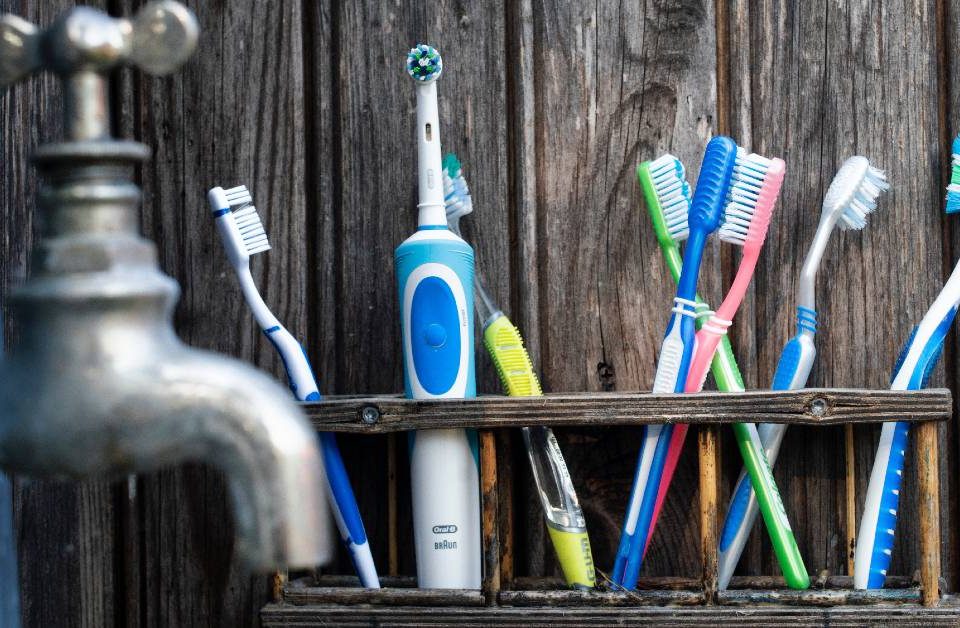
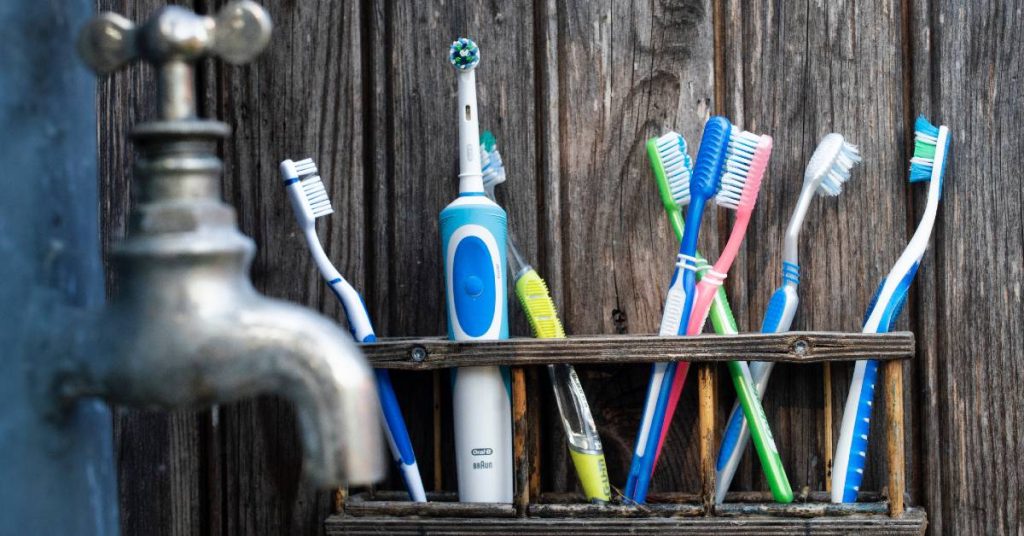
Storing your toothbrush in a clean, dry area is key to keeping it in good condition. When you’re done rinsing your brush, shake off any excess water and store it upright in a holder. Avoid keeping it in a closed container or covering the bristles, as this can lead to moisture buildup and bacteria growth.
Replace It Regularly
Over time, the bristles can become frayed and ineffective at removing plaque and bacteria. It’s recommended to replace your toothbrush every three to four months, or sooner if the bristles are visibly worn. Additionally, if you’ve been sick or recently recovered from an illness, it’s a good idea to replace your brush to avoid reintroducing any harmful bacteria or viruses into your mouth.
Avoid Sharing your Brush
While it may seem convenient to share your toothbrush with a partner or family member, it’s not a healthy practice. Sharing one can spread harmful bacteria and viruses from one person’s mouth to another. Make sure each member of your household has their own and encourage everyone to practice good hygiene habits to prevent the spread of illness and disease.
Sanitize Periodically
If you’re concerned about bacteria buildup on your toothbrush, you can sanitize it periodically using a toothbrush sanitizer or by soaking it in mouthwash for a few minutes. However, be aware that sanitizing too frequently can actually damage the bristles and shorten the lifespan of your brush.
Taking care of your toothbrush is a simple but important part of maintaining good dental hygiene. By rinsing it thoroughly, storing it properly, replacing it regularly, avoiding sharing, and occasionally sanitizing, you can ensure your brush remains effective and free of harmful bacteria. With these tips, you can confidently embrace good oral hygiene practices and enjoy a healthy, happy smile for years to come.
How to Properly Use a Toothbrush
Proper brushing technique is just as important as taking care of your toothbrush. Here are some tips for using your toothbrush effectively:
- Hold the brush at a 45-degree angle towards your gum line.
- Use gentle circular or back-and-forth motions to clean each tooth individually.
- Don’t brush too hard, as this can damage your teeth and gums. Let the bristles do the work.
- Remember to brush the inside surfaces, chewing surfaces, and tongue for a complete clean.
By following these tips and taking proper care of your toothbrush, you can maintain good oral hygiene and keep your teeth and gums healthy. So next time you pick up your toothbrush, remember to give it some love and attention too!
Make an Appointment with Glacier Creek Dental
At Glacier Creek Dental, we are dedicated to helping our patients achieve optimal oral health. Our team of experienced professionals provides comprehensive dental services, including routine cleanings and exams, to keep your teeth and gums in top shape. Contact us today to schedule an appointment and learn more about how we can help you maintain a healthy smile.