Teaching Your Kids that Dental Care is Fun
July 21, 2024
Understanding Teeth Stains: Types, Causes, and Treatments
August 3, 2024
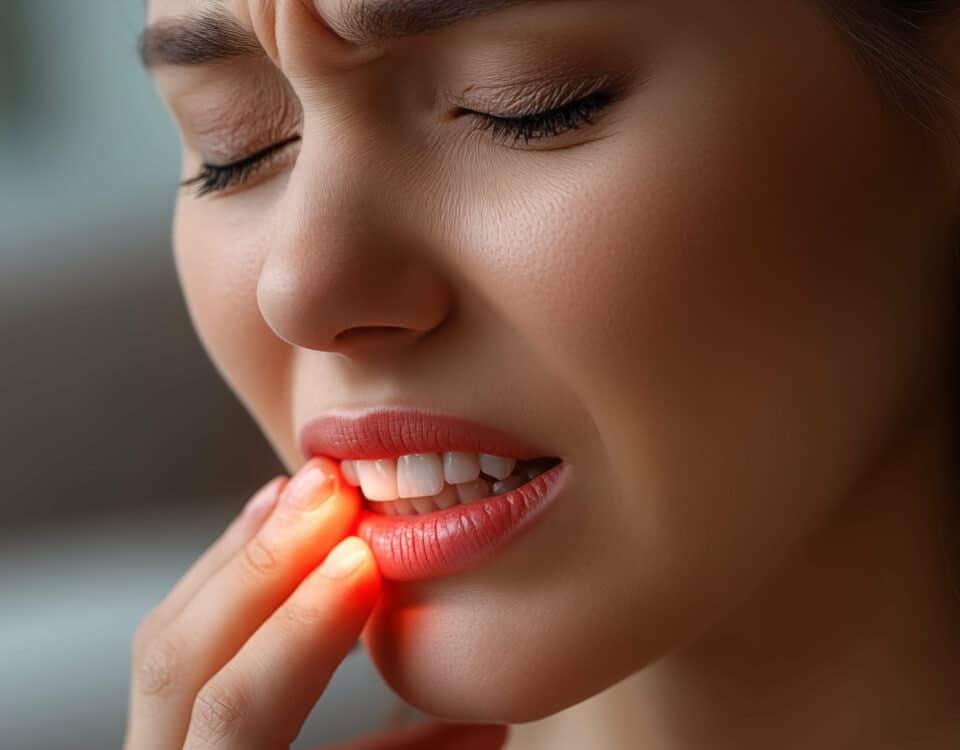
Tooth sensitivity can be an uncomfortable and distressing issue that affects many people. If you experience pain or discomfort when consuming hot, cold, sweet, or acidic foods and beverages, you may be dealing with tooth sensitivity. At Glacier Creek Dental, we understand how tooth sensitivity can impact your daily life and are here to provide insights and practical tips to help you manage and alleviate the discomfort.
Understanding Tooth Sensitivity
Tooth sensitivity, also known as dentin hypersensitivity, occurs when the protective enamel on your teeth wears down, exposing the underlying dentin. The dentin contains tiny tubules that lead to the nerve endings within the tooth. When these tubules are exposed, they allow stimuli—such as temperature changes or certain foods—to trigger pain or discomfort.
Symptoms of Tooth Sensitivity
Tooth sensitivity is characterized by various discomforts and pain that occur in response to certain stimuli. Common symptoms include:
- Sharp Pain: A sudden, sharp pain or discomfort when consuming hot or cold foods and beverages, such as coffee, ice cream, or cold drinks.
- Pain from Sweet or Acidic Foods: Sensitivity may occur when eating or drinking sweet or acidic items, like candy, citrus fruits, or soda.
- Discomfort During Brushing: Pain or sensitivity while brushing your teeth, especially if you’re using a hard-bristled toothbrush or brushing too vigorously.
- Sensitivity to Air: A twinge or discomfort when breathing in cold air through your mouth.
- Pain After Dental Work: Temporary sensitivity or discomfort following recent dental procedures, such as cleanings, fillings, or teeth whitening.
- Persistent Sensitivity: Ongoing or frequent discomfort that doesn’t improve or that affects multiple teeth.
Common Causes of Tooth Sensitivity
- Enamel Erosion: Acidic foods and drinks, such as citrus fruits and sodas, can erode tooth enamel over time, leading to sensitivity.
- Gum Recession: Gum disease or brushing too hard can cause the gums to recede, exposing the tooth roots.
- Tooth Decay: Cavities or damaged fillings can lead to increased sensitivity in the affected teeth.
- Teeth Grinding: Bruxism, or grinding your teeth, can wear down enamel and cause sensitivity.
- Dental Procedures: Recent dental work, such as fillings or cleanings, can temporarily increase tooth sensitivity.
Tips from Glacier Creek Dental to Beat Tooth Sensitivity
- Use a Soft-Bristled Toothbrush: Choose a toothbrush with soft bristles and brush gently to avoid further enamel wear and gum irritation. Hard bristled brushes can contribute to enamel erosion and gum recession.
- Switch to a Desensitizing Toothpaste: Toothpastes specifically designed for sensitive teeth contain compounds that help block pain signals and reduce sensitivity over time. Look for products with potassium nitrate or strontium chloride.
- Avoid Acidic Foods and Beverages: Limit your intake of acidic foods and drinks that can erode enamel, such as citrus fruits, tomatoes, and carbonated beverages. If you consume these items, rinse your mouth with water afterward to neutralize acids.
- Practice Good Oral Hygiene: Maintain a consistent oral hygiene routine that includes brushing twice a day with fluoride toothpaste and flossing daily. Fluoride strengthens enamel and helps protect against sensitivity.
- Address Gum Recession: If you have gum recession, use a fluoride gel or rinse as recommended by your dentist to help protect exposed tooth roots. Additionally, consider discussing gum grafting procedures if gum recession is severe.
- Manage Teeth Grinding: If you grind your teeth, consider using a mouthguard to protect your teeth from excessive wear and reduce sensitivity. Your dentist can provide a custom-fit mouthguard for optimal protection.
- Seek Professional Advice: If your tooth sensitivity persists despite following these tips, consult with your dentist at Glacier Creek Dental. We can identify the underlying cause of your sensitivity and recommend appropriate treatments, such as dental sealants, fluoride treatments, or restorative work to address any issues.
- Regular Dental Check-Ups: Regular visits to your dentist are crucial for maintaining oral health and addressing any potential issues that may contribute to sensitivity. Schedule routine check-ups to monitor your dental health and receive professional advice tailored to your needs.
Make an Appointment with Glacier Creek Dental
Tooth sensitivity can be managed effectively with the right approach and care. By following these tips from Glacier Creek Dental and addressing the underlying causes of your sensitivity, you can enjoy a more comfortable and pain-free experience with your teeth. If you have concerns about tooth sensitivity or need personalized recommendations, don’t hesitate to contact us at Glacier Creek Dental. Our team is dedicated to helping you achieve optimal dental health and a smile free from discomfort.