Put an End to Tooth Sensitivity: Solutions for Sensitive Teeth
April 21, 2023
Say Ahhh: What Your Tongue Reveals About Your Dental Health
May 5, 2023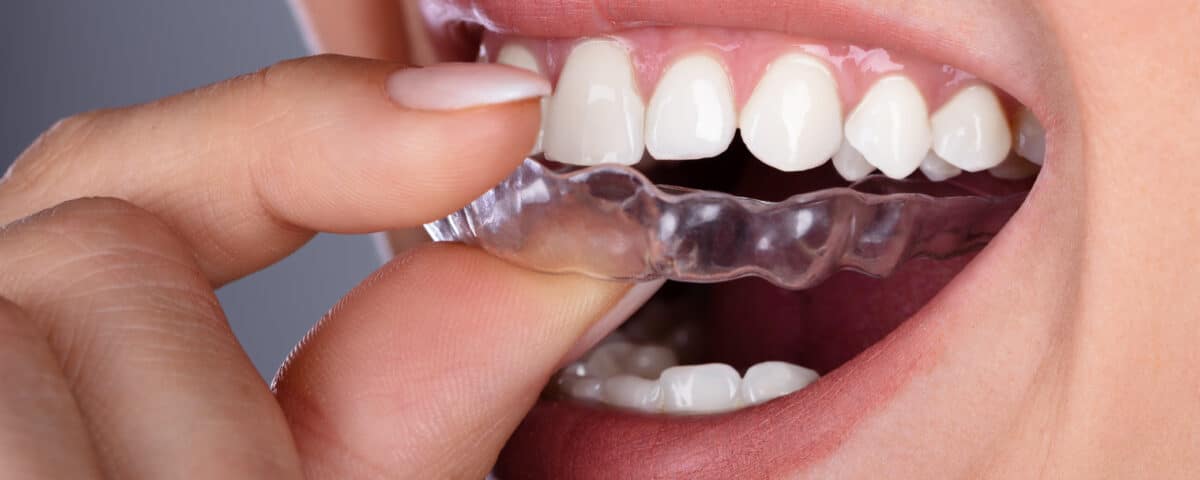
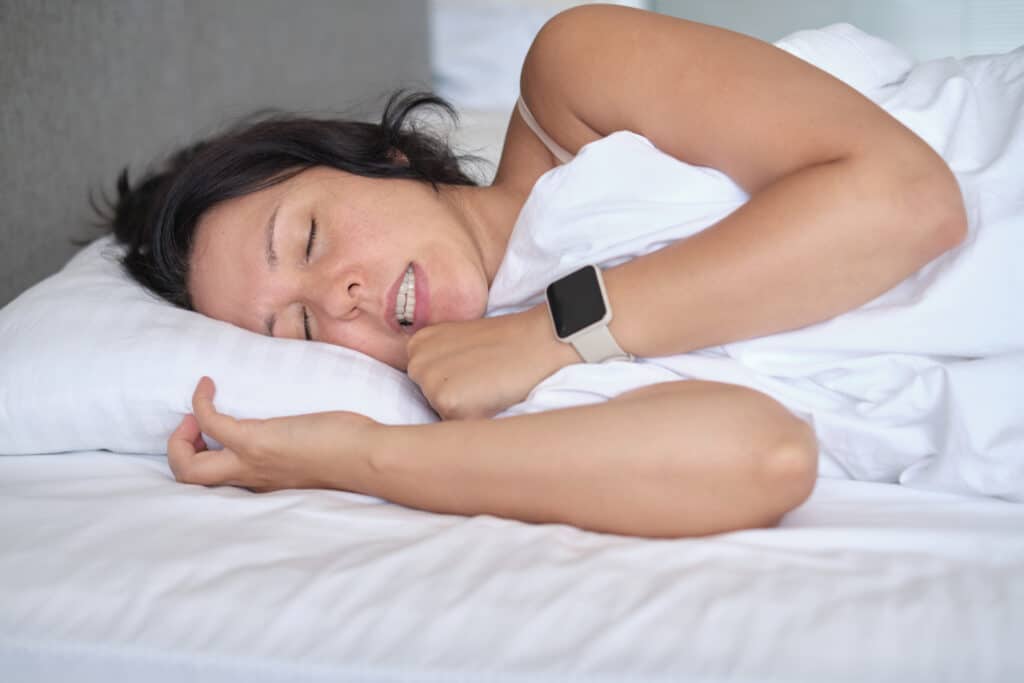
Do you find yourself clenching your jaw or grinding your teeth at night? If so, you may be suffering from bruxism. Bruxism is a condition that causes people to grind their teeth and clench their jaws involuntarily. This can lead to a number of dental problems, including tooth decay, chipped teeth, and even gum disease. In this blog post, we will discuss some tips for ending bruxism and protecting your teeth.
Understanding Bruxism
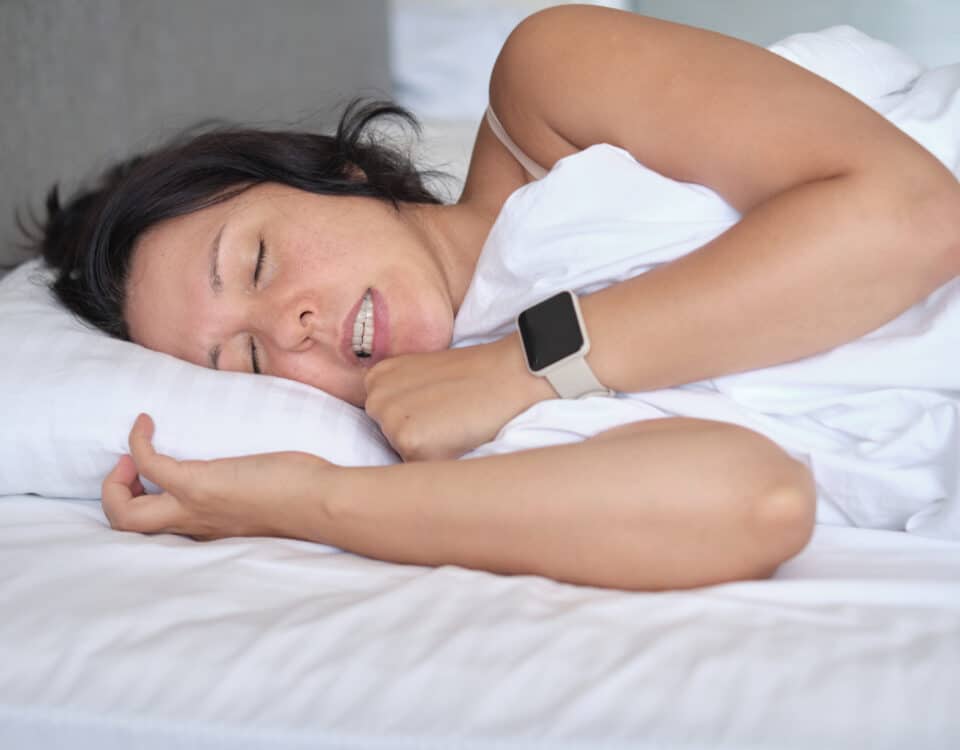
Bruxism is a sleep disorder that causes people to grind their teeth and clench their jaws, typically during sleep. It can happen at any age and affects both adults and children alike. While the exact cause of bruxism is not known, certain factors may contribute to it, such as stress or anxiety.
Causes of Teeth Grinding
Though bruxism is usually thought of as a symptom of stress, it can also be caused by:
- Sleep disorders
- Teeth that don’t line up properly
- Missing or crooked teeth
One study revealed that teeth grinding is associated with tobacco and alcohol use. Researchers found that people who smoke or drink alcohol or coffee are twice as likely to grind their teeth as people who don’t.
Symptoms
Signs and symptoms of bruxism may include:
- Teeth grinding or clenching, which may be loud enough to wake up your sleep partner
- Teeth that are flattened, fractured, chipped or loose
- Worn tooth enamel, exposing deeper layers of your tooth
- Increased tooth pain or sensitivity
- Tired or tight jaw muscles, or a locked jaw that won’t open or close completely
- Jaw, neck or face pain or soreness
- Pain that feels like an earache, though it’s actually not a problem with your ear
- Dull headache starting in the temples
- Damage from chewing on the inside of your cheek
- Sleep disruption
How Bruxism Affects Your Teeth
The constant grinding and clenching of teeth can cause significant damage to your teeth, including:
- Tooth wear and tear – Over time, the constant pressure exerted by grinding or clenching your teeth can wear them down. As the enamel wears away, the underlying layers of your tooth are exposed, causing sensitivity to hot and cold foods and drinks.
- Pain and soreness – The constant strain on your jaw muscles can cause them to become tight, leading to pain and soreness in the jaw, neck, face, and temples.
- Tooth fractures – Severe grinding or clenching of teeth can cause them to chip or fracture.
- Gum recession – The pressure from bruxism can cause the gums to recede, exposing more of the tooth and potentially leading to gum disease.
Tips for Ending Bruxism and Protecting Your Teeth
Although there is no cure for bruxism, there are certain steps you can take to reduce its effects on your teeth:
- Try relaxation techniques – Practicing relaxation techniques, such as yoga and meditation, can help to reduce stress levels and relax the jaw muscles.
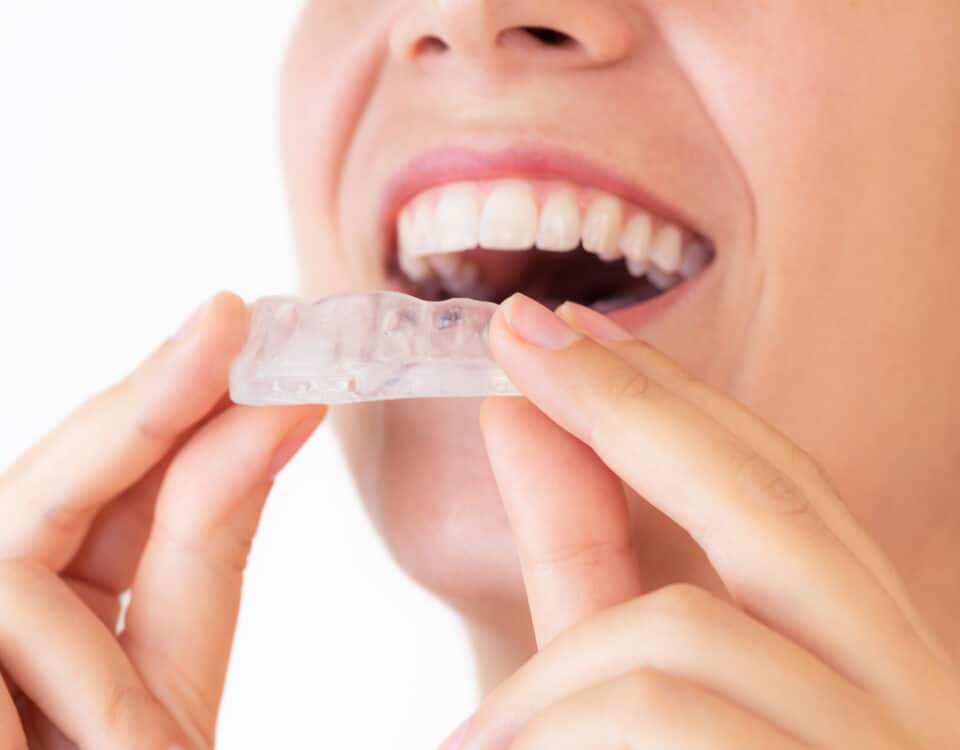
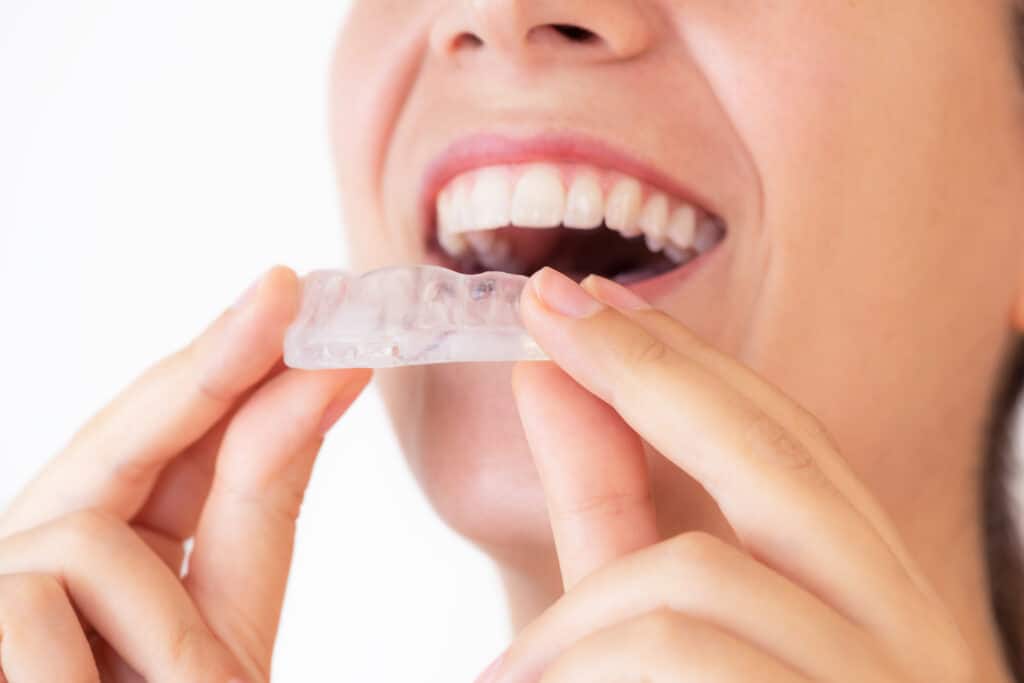
- Wear a mouthguard – Wearing a custom-fitted night guard when you sleep can help prevent grinding and clenching of teeth.
- Avoid caffeine and alcohol – Caffeine and alcohol are known to increase muscle tension, which can worsen bruxism.
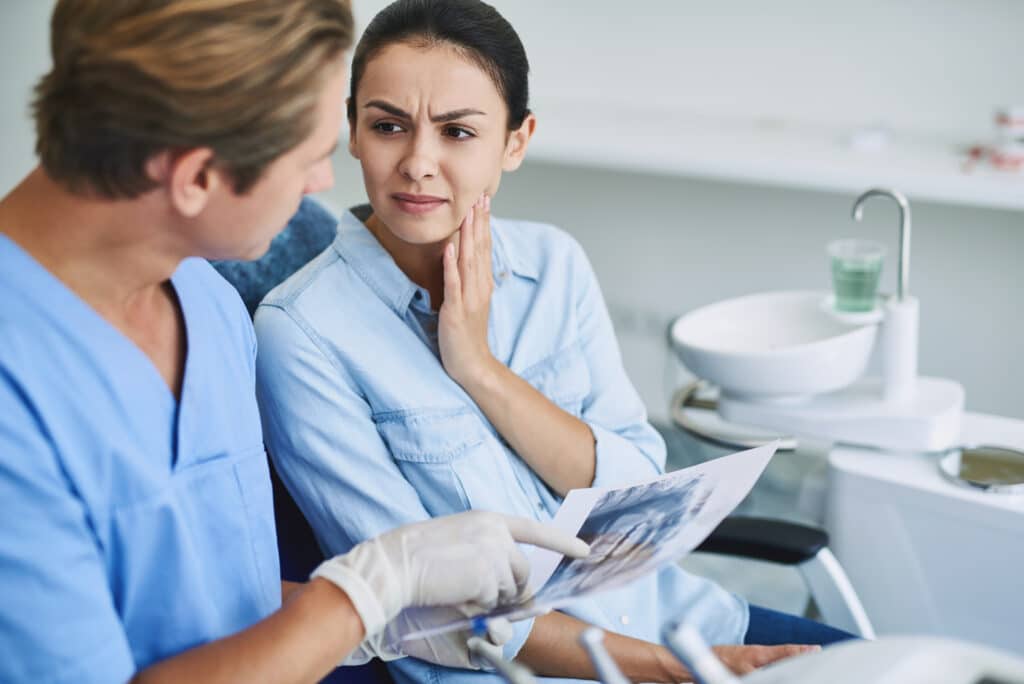
- See your dentist – Regular dental checkups are important for detecting signs of tooth wear and tear and preventing potential damage from bruxism. Your dentist may also be able to provide a night guard or suggest other treatments to help reduce the effects of bruxism.
Nightguards for Bruxism
If you’re suffering from bruxism, a night guard may be an effective way to protect your teeth from further damage. Nightguards are custom-made mouthpieces that fit over your teeth and act as a barrier between them, preventing clenching and grinding. They can help reduce pain associated with bruxism and prevent further damage to your teeth. While there are nightguards available over the counter, getting a custom-fit nightguard from your dentist is the best way to ensure optimal protection.
Make an Appointment with Glacier Creek Dental
If you’re experiencing symptoms of bruxism, it’s important to seek treatment as soon as possible. By taking steps to reduce stress levels and wearing a night guard while sleeping, you can help protect your teeth from further damage and improve your overall oral health.
At Glacier Creek Dental, our team of experienced dentists can help diagnose and treat bruxism to keep your teeth healthy and strong. Contact us today to schedule an appointment. Together, we can create a personalized treatment plan to protect your teeth from the damaging effects of grinding and clenching.