5 Oral Cancer Signs to Watch Out For
September 2, 2022The Best Treatments for Teeth Sensitivity
September 15, 2022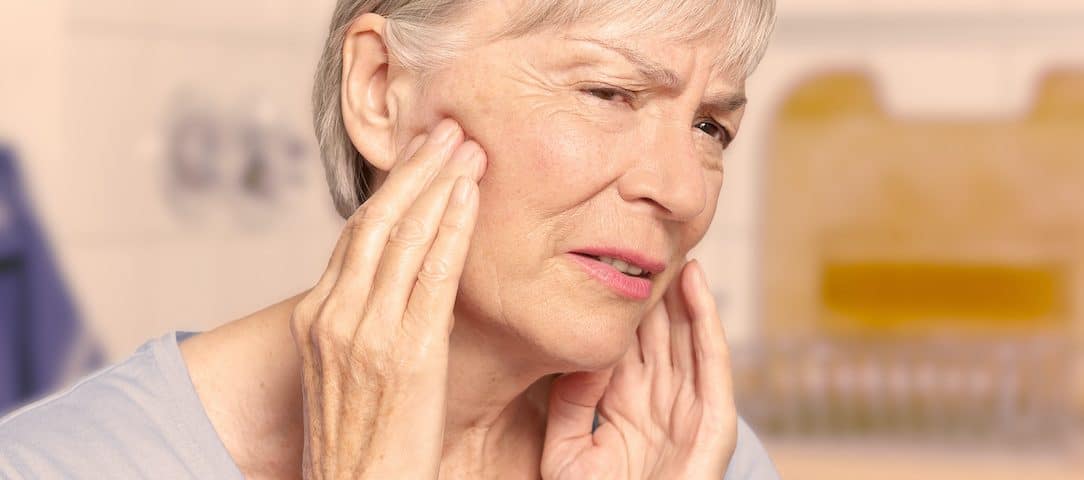
TMJ dental problems are a common issue that many people experience. TMJ is an acronym for temporomandibular joint, which is the joint that connects your jaw to your skull. These problems can cause pain in your jaw, neck, and headaches. In this blog post, we will discuss the causes, symptoms, and treatment of TMJ dental problems.
What is TMJ?
The temporomandibular joint (TMJ) is the joint that connects your jaw to your skull. This joint is located in front of your ears and allows you to move your jaw up and down and side to side. The TMJ is a complex joint that consists of the following:
- Temporal bone, which is a bone in your skull
- Mandible, or jawbone
- A disk of cartilage that sits between the temporal bone and the mandible
- Ligaments and muscles that hold the joint together and allow it to move
Around 12 percent of people in the United States experience TMJ disorders at any one time. Women are affected more often than men, with 9 women to every 1 man experiencing severe pain and restricted jaw movement.
Causes of TMJ Dental Problems
There are many different causes of TMJ dental problems. One of the most common causes is teeth grinding, which can damage the joint and surrounding muscles. Teeth grinding can be caused by stress, misaligned teeth, or an improper bite. If you think you may be grinding your teeth at night, ask your dentist to fit you for a mouth guard.
Other common causes of TMJ problems include:
- Arthritis in the joint: arthritis can cause inflammation and pain in the joint.
- Dislocation of the disk: the disk can become displaced if the joint is overworked or injured.
- Jaw injury: an injury to the jaw can damage the ligaments, muscles, or bones involved in the joint.
- Clenching: clenching your teeth can put stress on the joint and surrounding muscles.
Symptoms of TMJ Dental Problems
The most common symptom of TMJ problems is pain in the jaw, neck, or head. The pain may be worse when you chew, speak, or open your mouth wide. Other common symptoms include:
- Pain in the chewing muscles and/or jaw joint (most common symptom).
- Jaw stiffness.
- Pain that spreads to the face or neck.
- Limited movement or locking of the jaw.
- Painful clicking, popping, or grating in the jaw joint when opening or closing the mouth.
- Ringing in the ears, hearing loss, or dizziness.
- A change in the way the upper and lower teeth fit together.
Treatment Options
There are many different treatment options available for TMJ dental problems. The best treatment option will depend on the cause of your symptoms.
If you are grinding your teeth…
Your dentist may recommend a mouth guard. This will help to protect your teeth and joints from further damage. Most people grind their teeth at night and will only need to wear the night guard while they sleep.
If you have arthritis in the joint…
Your doctor may recommend medications to reduce the inflammation and pain. Arthritis in the jaw can make it difficult to open and close your mouth. Physical therapy exercises may also be recommended to help improve the range of motion in the joint.
If the disk is dislocated…
Your doctor may recommend physical therapy or surgery to reposition the disk.
If your symptoms are caused by clenching…
Your dentist may recommend an occlusal splint. This is a custom-made mouth guard that you will wear at night. The splint will help to keep your teeth from clenching together and put less stress on the joint.
If you have a jaw injury…
Your doctor may recommend rest, ice, heat, and over-the-counter pain medications.
If you are clenching your teeth…
Your dentist may recommend splint therapy. This will help to relax the muscles and protect the joint from further damage. An occlusal splint is a custom-made mouth guard that you will wear at night. The splint will help to keep your teeth from clenching together and put less stress on the joint.
Do I Have to Have Surgery?
Most people with TMJ disorders do not require surgery. In fact, only about a small number of people with TMJ problems will need to have surgery.
If you have TMJ problems, it is important to see Dr. Chris Bockrath at Mountain Aire Dentistry to find the best treatment option for you. Do not try to treat your TMJ problems on your own. Surgery is often a last resort.
Make an Appointment with Mountain Aire Dentistry
If you are experiencing any symptoms of TMJ dental problems, make an appointment with Mountain Aire Dentistry. We will work with you to find the best treatment option for your individual needs based on your condition. Contact us today to schedule an appointment!