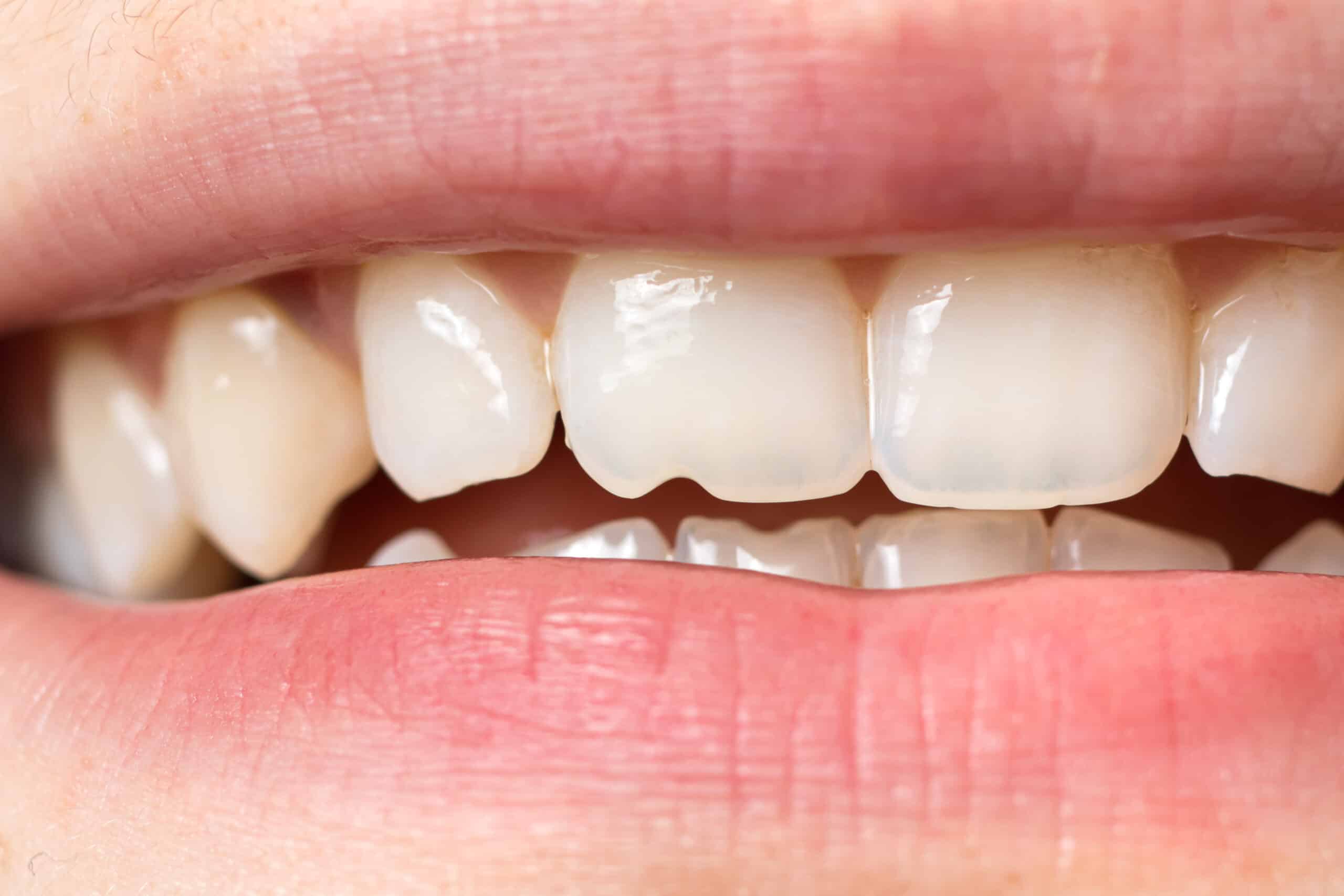
Repairing and Protecting a Chipped Tooth: What Every Patient Should Know
January 5, 2023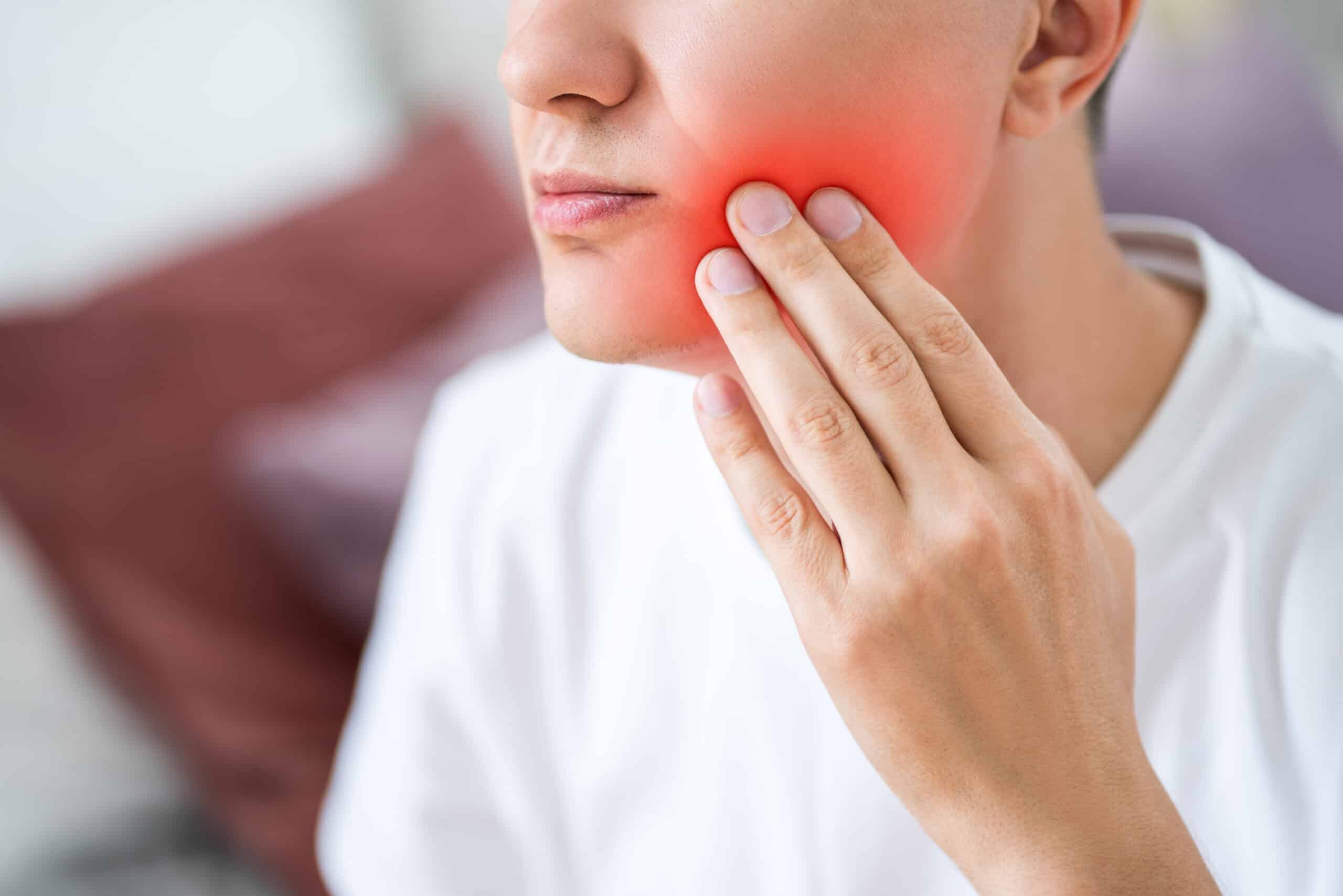
Navigating Wisdom Teeth Troubles
January 19, 2023
For many people, stress and tension can manifest in a clenched jaw. Whether we’re stuck in traffic, worried about finances, or overwhelmed with our newest project at work, it’s easy to tense up without even realizing it. What you may not know is that the tightness of your jaw muscles could be negatively impacting your overall oral health. If left untreated, the chronic strain on these muscles could lead to serious problems like facial pain and headaches. That’s why it’s so important to become aware of how much (or how little) tension we are carrying around with us each day — and take steps to reduce its impact on your mouth as well as your overall well being! In this blog post, we are going to provide some tips for unclenching and unwinding for those who struggle with frequent jaw clenching due to stress or anxiety.
Stress and Teeth Clenching
When we are feeling overwhelmed, our body often responds by tensing up. This is especially true for the muscles in our face and jaw, which can lead to teeth clenching or grinding. Teeth clenching or grinding can cause a number of dental problems such as worn enamel, chips or cracks in your teeth, and even excessive tooth sensitivity. It can also cause chronic jaw pain, headaches, and even difficulty sleeping. To avoid these issues, it’s important to identify the causes of your teeth clenching and develop strategies for reducing the tension in your jaw muscles.
Signs of Jaw Stress and Tension
It’s important to be aware of the signs that your jaw is tensing up. Common indicators include difficulty opening or closing your mouth, a tightness or soreness in your jaw, and even earaches. If you experience any of these symptoms, it’s important to take action before the tension leads to more serious dental problems.
A tight jaw can cause pain or discomfort in many parts of your body. The intensity of the pain can vary and may be described as achy, throbbing, tender, or severe. These feelings may become worse while chewing or yawning.
The exact location of the pain can also vary. If you have a tight jaw, you may feel discomfort on:
- one or both sides of your face
- jaw
- head
- teeth
- neck
- nose
- mouth
- ears
In addition to pain, other symptoms of a tight jaw may include:
- limited range of motion when you try to open your mouth
- locking of the jaw joint
- clicking sounds
How Can My Dentist Help Jaw Stress?
Your dentist can help you identify the causes of your jaw tension and develop an individualized treatment plan. This may include lifestyle changes such as avoiding stress triggers, managing stress or anxiety through relaxation techniques, and changing your habits (like avoiding gum-chewing). Your dentist may also recommend medications or mouth guards to reduce teeth grinding at night. Botox injections may also be an option to relax the jaw muscles and reduce tension.
Tips for Unclenching and Unwinding
1) Become aware:
The first step to unclenching and unwinding is to become aware of the tension in your jaw. Take a few moments throughout the day to notice how much or how little tension you are carrying around with you. Pay special attention to your teeth clenching habits during times of stress or worry.
2) Relax:
Once you’ve identified any tension in your jaw, take a few moments to relax the muscles. Try out some simple relaxation techniques such as deep breathing or guided meditations to help you release any built up tension.
3) Exercise:
Regular exercise can do wonders for reducing stress levels and allowing the body to relax more easily. Adding an activity like yoga or running to your daily routine can help to relieve any tension in your jaw muscles.
4) Pay attention to your posture:
Poor posture can lead to increased strain on the jaw muscles, so make sure you are paying attention to how you sit and stand throughout the day. Check in with yourself every few minutes, and adjust if necessary.
5) Visit the dentist:
If you’re experiencing chronic tension in your jaw, it might be a good idea to visit your dentist for an examination. They can provide advice on specific techniques and products that might help reduce your jaw clenching.
By becoming more aware of the tension in your jaw and taking steps to relax, you can help reduce the impact of jaw clenching on your oral health. Unclenching and unwinding can improve your overall wellbeing — so take a few moments out of your day to pay attention to any tension in your jaws, and find ways to release it.
Make an Appointment with Glacier Creek Dental
If you’re having difficulty managing jaw tension, please make an appointment with Glacier Creek Dental today. Our team of knowledgeable professionals can provide advice and treatment options to help you reduce stress on your jaws and improve your oral health. Contact us today!