Summer Smile Tips to Keep Your Teeth Healthy All Season Long
May 21, 2026
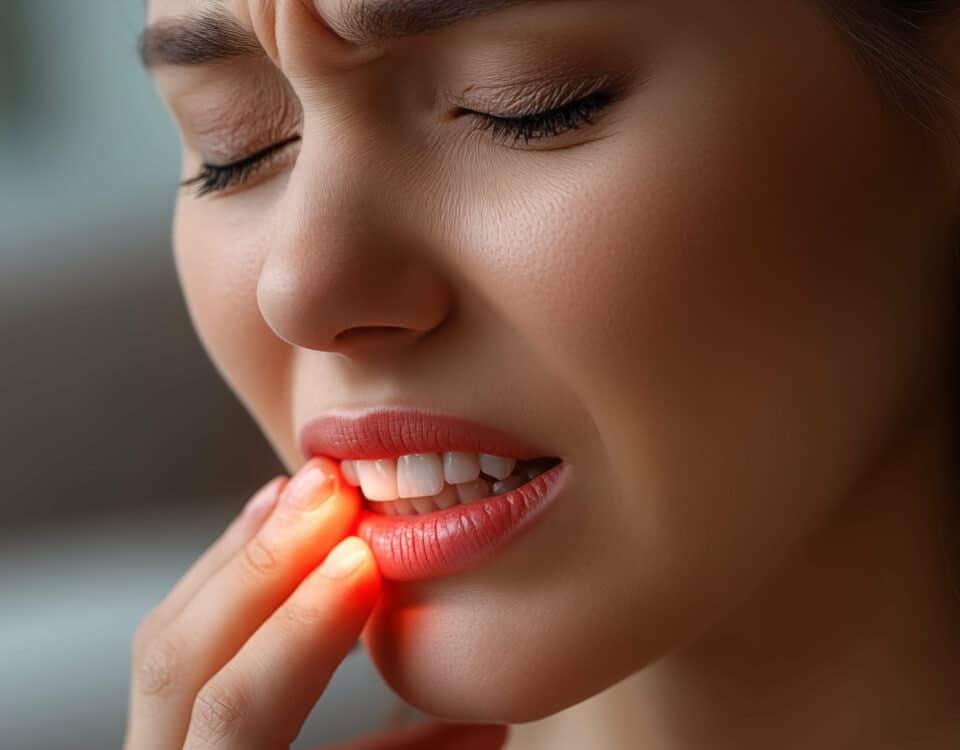
If sipping a cold drink or enjoying hot coffee causes a sudden sharp pain in your teeth, you’re not alone. Tooth sensitivity is one of the most common dental concerns, affecting millions of people at some point in their lives.
While occasional sensitivity may seem minor, persistent discomfort can interfere with eating, drinking, and daily comfort—and it’s often a sign that something in your oral health needs attention.
At Glacier Creek Dental, we help patients identify the causes of tooth sensitivity and find solutions that provide lasting relief. Here’s what you should know about why sensitivity happens and how you can protect your smile.
What Is Tooth Sensitivity?
Tooth sensitivity occurs when the protective outer layer of the tooth becomes weakened or when the softer layer underneath, called dentin, becomes exposed.
Dentin contains tiny pathways that connect to the nerves inside the tooth. When exposed to:
- Hot foods or drinks
- Cold temperatures
- Sweet or acidic foods
- Air pressure
…the nerves inside the tooth can become irritated, causing discomfort or sharp pain.
Common Causes of Tooth Sensitivity
There are several possible reasons why teeth become sensitive.
1. Worn Enamel
Enamel protects the outer surface of your teeth. Over time, enamel can wear down due to:
- Aggressive brushing
- Acidic foods and drinks
- Teeth grinding
- Normal wear and tear
As enamel thins, teeth become more vulnerable to sensitivity.
2. Gum Recession
When gums recede, they expose the roots of the teeth, which are more sensitive than enamel-covered surfaces.
Gum recession may be linked to:
- Gum disease
- Brushing too hard
- Aging
- Teeth grinding
3. Cavities or Tooth Decay
Tooth sensitivity can sometimes be an early sign of a cavity or developing decay.
If sensitivity is isolated to one specific tooth, it’s important to have it evaluated.
4. Cracked or Damaged Teeth
Small cracks or chips in a tooth can expose sensitive inner layers and cause pain when chewing or drinking hot or cold beverages.
5. Teeth Grinding and Clenching
Grinding your teeth—especially at night—can gradually wear down enamel and increase sensitivity over time.
Many patients don’t realize they grind their teeth until symptoms appear.
6. Recent Dental Procedures
Temporary sensitivity after cleanings, fillings, whitening treatments, or other dental work is fairly common and usually improves within a short period.
When Tooth Sensitivity Shouldn’t Be Ignored
Occasional mild sensitivity may not always be serious, but persistent or worsening symptoms should be evaluated by a dentist.
Signs It’s Time to Schedule a Visit:
- Sharp pain that doesn’t improve
- Sensitivity in one specific tooth
- Pain while chewing
- Swelling or gum irritation
- Sensitivity that interferes with eating or drinking
Early treatment can prevent more serious problems from developing.
How to Find Relief from Tooth Sensitivity
The best treatment depends on the underlying cause of the sensitivity.
Possible Solutions Include:
- Desensitizing toothpaste
- Fluoride treatments
- Dental bonding or fillings
- Nightguards for grinding
- Gum disease treatment
- Restorative dental care for damaged teeth
At Glacier Creek Dental, we create personalized treatment plans designed to improve comfort and protect long-term oral health.
Tips to Help Reduce Sensitivity at Home
There are also steps you can take to help minimize discomfort between dental visits.
Helpful Habits Include:
- Using a soft-bristled toothbrush
- Avoiding aggressive brushing
- Limiting acidic foods and drinks
- Wearing a nightguard if recommended
- Using toothpaste designed for sensitive teeth
Consistency with healthy habits can help protect enamel and reduce irritation.
Prevention Is Key
Preventive dental care plays a major role in reducing the risk of tooth sensitivity.
Routine exams help your dentist:
- Catch enamel wear early
- Detect cavities or cracks
- Monitor gum health
- Recommend treatments before symptoms worsen
Addressing small issues early often prevents more significant discomfort later.
Don’t Let Sensitivity Control Your Smile
Tooth sensitivity may seem like a small annoyance at first, but it can impact your comfort, eating habits, and quality of life if left untreated. The good news is that relief is often possible once the underlying cause is identified.
At Glacier Creek Dental, we’re here to help patients find answers, reduce discomfort, and protect healthy smiles with personalized care.
If you’ve been experiencing tooth sensitivity, schedule your appointment today and take the first step toward lasting relief.