The Important Role Fluoride Plays in Keeping Your Child’s Teeth Healthy
April 15, 2023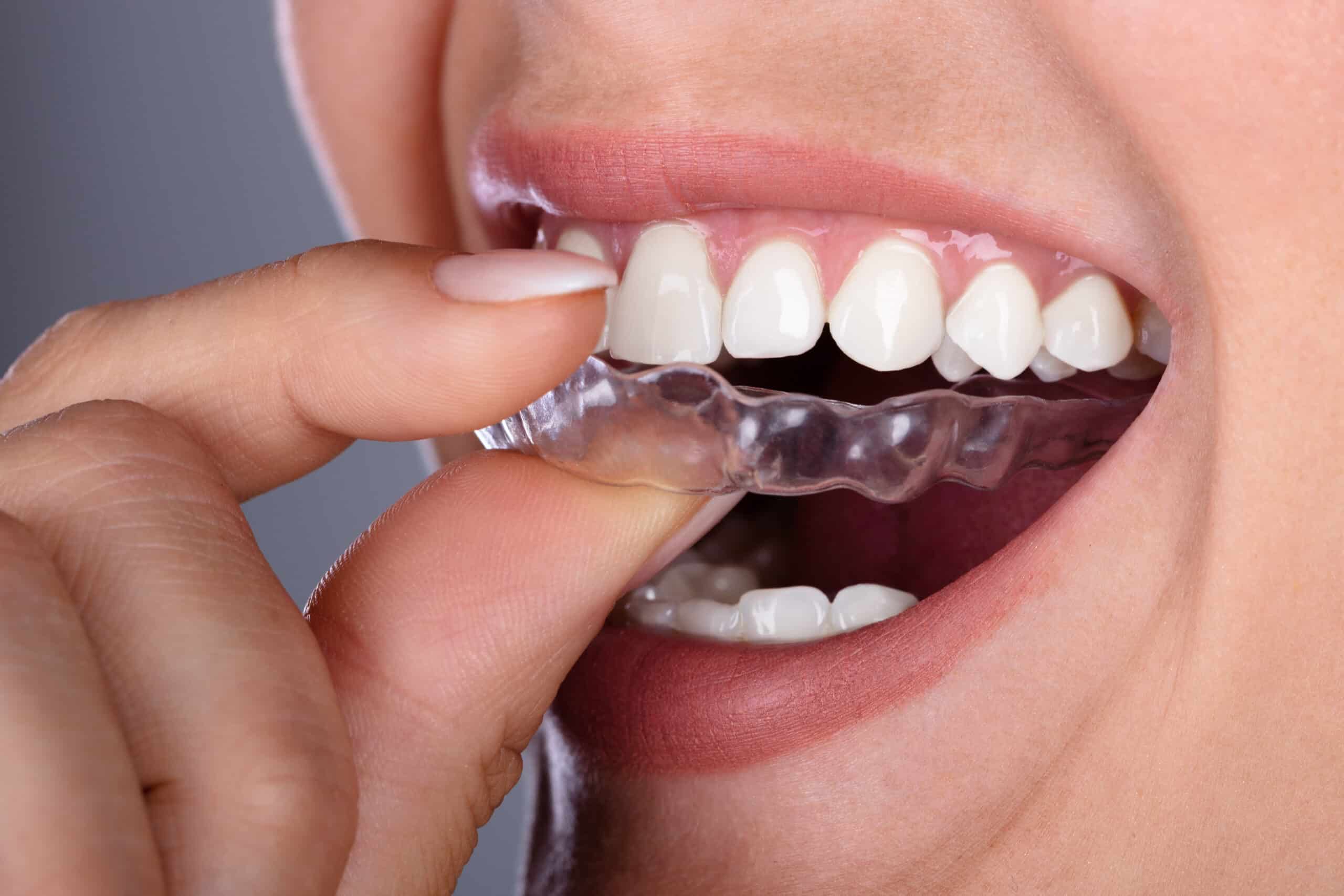
Tips for Ending Bruxism and Protecting Your Teeth
April 28, 2023
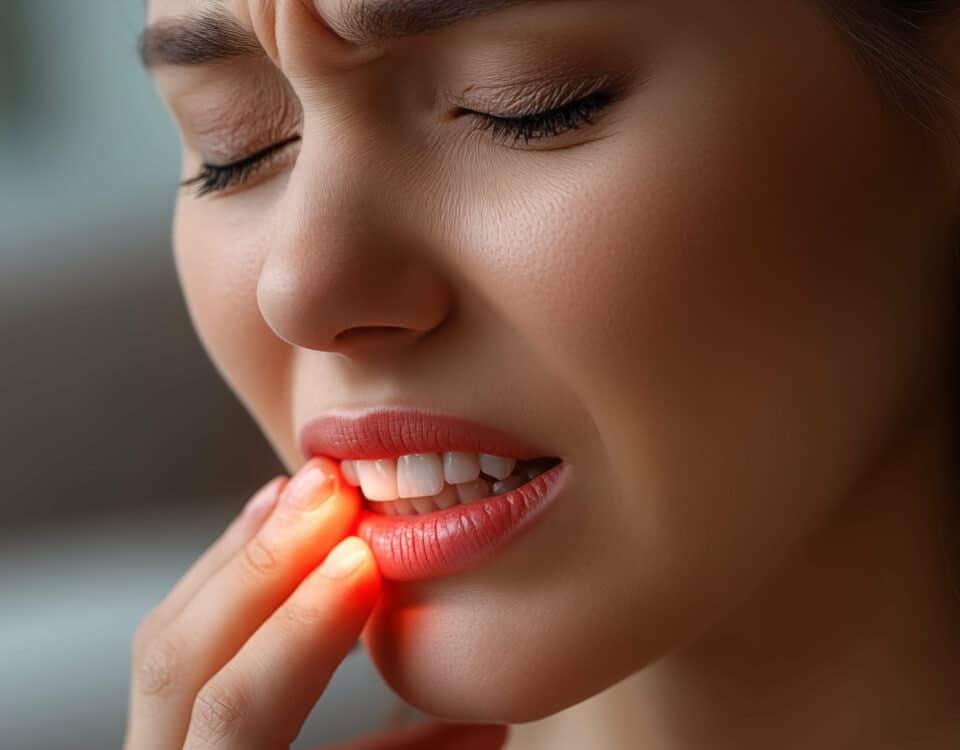
Do you cringe every time you drink something cold? Or does a sip of hot coffee send jolts of pain through your teeth? If so, you may be one of the millions of people who suffer from tooth sensitivity. Tooth sensitivity can be caused by a variety of things, including worn enamel, receding gums, and exposure to extreme temperatures. In this blog post, we will discuss some solutions for dealing with sensitive teeth.
What Causes Tooth Sensitivity?
Teeth sensitivity usually occurs when the underlying layer of your teeth — the dentin — becomes exposed. This can happen due to erosion (wear and tear) and gum recession (when your gum tissue pulls away from your teeth, exposing the roots).
Teeth roots, which aren’t covered by hard enamel, contain thousands of tiny tubules leading to your tooth’s center (the pulp). These dentinal tubules (or channels) allow stimuli — for example, hot, cold or sweet food — to reach the nerve in your tooth, which results in the pain you feel. Common causes of tooth sensitivity include:
- Brushing your teeth too hard, which can wear down your enamel
- Using a hard-bristled toothbrush
- Eating acidic food and drink
- Grinding your teeth (bruxism)
- Aging, which causes the gum line to recede
- Cavities, which can expose the dentin
- Gum disease, which can cause pockets to form around the teeth, allowing bacteria and debris to accumulate in them
Symptoms of Tooth Sensitivity
The telltale symptom of tooth sensitivity is an intense shooting pain or discomfort when you eat and drink hot, cold, sour, or sweet foods. It can also be painful to brush your teeth. If you experience any of these symptoms, it’s important to consult a dentist to diagnose the cause of your sensitivity.
Solutions for Sensitive Teeth
Depending on the circumstances, your dentist might recommend:
- Desensitizing toothpaste. After several applications, desensitizing toothpaste can sometimes help block pain associated with sensitive teeth. There are a variety of products available over-the-counter. Ask your dentist which product might work best for you.
- Fluoride. Your dentist might apply fluoride to the sensitive areas of your teeth to strengthen tooth enamel and reduce pain. He or she might also suggest the use of prescription fluoride at home, applied via a custom tray.
- Desensitizing or bonding. Occasionally, exposed root surfaces can be treated by applying bonding resin to the sensitive root surfaces. A local anesthetic might be needed.
- Surgical gum graft. If your tooth root has lost gum tissue, a small amount of gum tissue can be taken from elsewhere in your mouth and attached to the affected site. This can protect exposed roots and reduce sensitivity.
- Root canal. If your sensitive teeth cause severe pain and other treatments aren’t effective, your dentist might recommend a root canal — a procedure used to treat problems in the tooth’s softcore (dental pulp). While this might seem like a significant treatment, it’s considered the most successful technique for eliminating tooth sensitivity.
At-Home Care for Sensitive Teeth
In addition to seeing your dentist, you can take steps at home to reduce the pain associated with sensitive teeth. Here are a few tips:
- Brush gently with a soft-bristled toothbrush and use fluoride toothpaste
- Avoid abrasive toothpastes and whitening products, which can further irritate sensitive teeth
- Limit acidic foods and drinks, such as orange juice, soda, or vinegar
- Avoid grinding your teeth(bruxism), wear a mouthguard at night reduce the damage from nighttime grinding
- Book regular dental check-ups with your dentist so they can monitor any changes in your teeth
By taking the right steps and seeing your dentist, you can put an end to tooth sensitivity and get back to enjoying all the foods you love.
How to Prevent Tooth Sensitivity
To prevent tooth sensitivity, it’s important to take proper care of your teeth and gums. Make sure you brush twice a day with a soft-bristled toothbrush, making sure to be gentle around the gum line. Floss daily to remove plaque buildup between teeth, and use an anti-cavity mouthwash. It’s also important to avoid acidic food and drinks, such as citrus fruits, carbonated beverages, and vinegar. Finally, be sure to visit your dentist twice a year for regular checkups.
If you are experiencing sensitive teeth and think you may need treatment, don’t hesitate to contact your dentist. With the right care, you can put an end to tooth sensitivity and enjoy life with a healthy, beautiful smile.
Make an Appointment with Glacier Creek Dental
If you’re experiencing tooth sensitivity, the experienced team at Glacier Creek Dental can help. We offer a variety of treatments from desensitizing toothpaste to root canal therapy to put an end to your discomfort. To schedule an appointment, contact our office today.