How to Care for Your Child’s Teeth: Tips for Parents
February 12, 2025
Foods That Promote Healthy Teeth
February 27, 2025
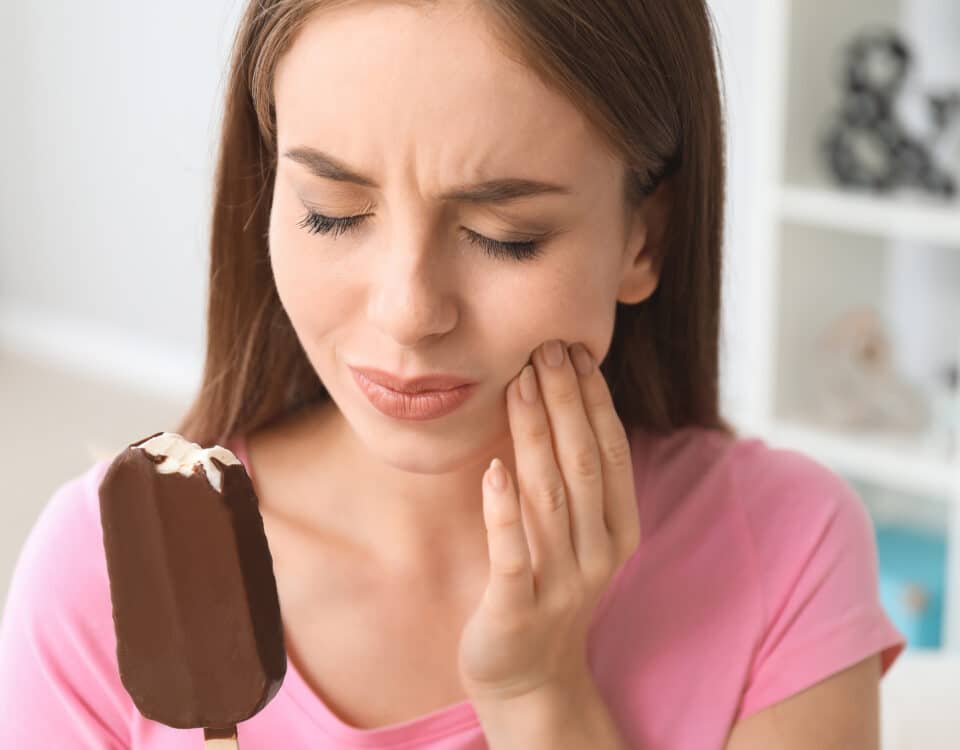
If you’ve ever experienced a sharp, sudden pain when sipping a cold drink or biting into something sweet, you might be one of the millions of people dealing with tooth sensitivity. While it’s a common problem, it can certainly cause discomfort and disrupt your daily routine. At Glacier Creek Dental, we understand how troubling tooth sensitivity can be, and we’re here to help you get to the root of the issue and explore ways to alleviate it.
What Is Tooth Sensitivity?
Tooth sensitivity, also known as dentin hypersensitivity, occurs when the inner layer of your teeth (called the dentin) becomes exposed. This layer is full of tiny nerve endings, which, when exposed to external stimuli, like hot or cold temperatures, acidic foods, or even brushing too hard, can trigger discomfort or pain.
But what causes the dentin to become exposed in the first place? Let’s take a look at some of the most common causes of tooth sensitivity.
Common Causes of Tooth Sensitivity
- Worn-Down Enamel
Enamel is the hard, protective outer layer of your teeth. Over time, it can wear down due to a variety of factors such as aggressive brushing, grinding your teeth at night (bruxism), or even consuming too many acidic foods and drinks. When enamel thins, the sensitive dentin beneath becomes more exposed, leading to heightened sensitivity. - Gum Recession
Gums naturally recede as we age, but it can also be caused by aggressive brushing or gum disease. When the gums pull back from the teeth, the roots of your teeth, which are not covered by enamel, become exposed. These roots are even more sensitive and can cause discomfort when triggered by hot, cold, or acidic foods and drinks. - Tooth Cavities or Cracks
Cavities, cracks, and chips in your teeth can create openings that expose the sensitive inner layers of the tooth. This damage may occur from untreated decay, trauma, or even from biting into something hard. Once the enamel is compromised, sensitivity can occur, especially when eating or drinking certain things. - Bruxism (Teeth Grinding)
Teeth grinding, often done unconsciously during sleep, can cause enamel to wear down and result in tooth sensitivity. It can also lead to jaw pain, headaches, and even cracked or broken teeth if left untreated. - Dental Procedures
If you’ve recently had a filling, whitening treatment, or other dental procedure, you may experience temporary sensitivity. This is often a result of the treatment affecting the soft tissues in or around the tooth. Thankfully, this type of sensitivity typically fades within a few weeks.
How to Manage and Treat Tooth Sensitivity
If you’re dealing with tooth sensitivity, don’t worry—there are steps you can take to reduce the discomfort and protect your teeth.
- Switch to a Soft-Bristled Toothbrush
Brushing too hard can wear down your enamel and irritate your gums, leading to increased sensitivity. Switching to a soft-bristled toothbrush and gently brushing your teeth can help preserve enamel and prevent gum recession. - Use Toothpaste for Sensitive Teeth
There are many toothpaste options specifically designed for sensitive teeth. These products contain compounds that help block the sensation from reaching the nerve, offering relief from pain. Using a sensitivity toothpaste regularly can gradually improve your symptoms. - Avoid Acidic Foods and Drinks
Acidic foods like citrus, tomatoes, and carbonated drinks can further weaken enamel and trigger sensitivity. While it’s hard to avoid these completely, limiting their intake and rinsing your mouth with water afterward can help. - Wear a Nightguard
If you grind your teeth at night, wearing a custom-fitted nightguard can help protect your teeth from wear and tear, preventing enamel loss and reducing sensitivity. Talk to your dentist to get one tailored specifically for your needs. - Consider a Fluoride Treatment
Fluoride treatments are available both at your dentist’s office and for home use. Fluoride strengthens enamel, making your teeth less susceptible to sensitivity. Ask your dentist about whether fluoride treatments could be a good option for you. - Seek Professional Treatment
If your sensitivity is severe or persistent, it may be a sign of a more serious dental issue, such as tooth decay or gum disease. It’s essential to consult your dentist for a thorough examination. In some cases, procedures like dental bonding, crowns, or even root canals may be necessary to address the underlying cause of sensitivity.
Preventing Tooth Sensitivity
In addition to the treatments above, here are a few simple habits that can help prevent tooth sensitivity in the future:
- Brush with Care: Avoid aggressive brushing and use a soft-bristled toothbrush.
- Use a Straw: When drinking acidic or cold beverages, use a straw to minimize contact with your teeth.
- Stay Hydrated: Drinking water throughout the day helps wash away acids and prevent dry mouth, which can contribute to sensitivity.
- Visit Your Dentist Regularly: Regular dental check-ups and cleanings are essential to catch any early signs of tooth decay or gum issues before they become more serious.
Make an Appointment with Glacier Creek Dental
Tooth sensitivity is a common issue, but the good news is that it can often be managed with the right care and treatment. If you’re experiencing discomfort, don’t hesitate to reach out to us at Glacier Creek Dental. Our team is here to help you find the best solution for your sensitive teeth and get you back to enjoying your favorite foods and drinks without pain.
Contact us today to schedule an appointment or ask any questions you might have about your oral health. We’re committed to helping you achieve a pain-free smile!