National Milk Day — Why Calcium Matters for Strong Teeth
January 15, 2026
Why Healthy Gums Matter More Than You Think
January 29, 2026
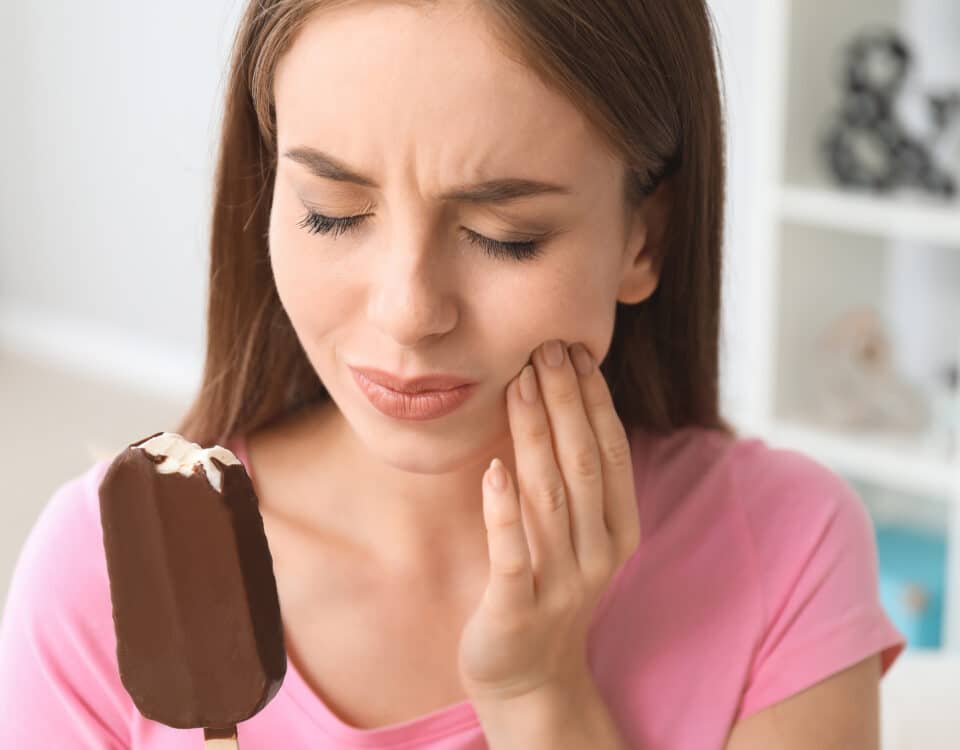
As temperatures drop, many people notice an unwelcome side effect of winter: tooth sensitivity. If sipping a hot drink or stepping outside into cold air makes your teeth ache, you’re not alone. Cold weather can worsen tooth sensitivity, but the good news is that there are ways to protect your smile all winter long.
Why Are My Teeth More Sensitive in Winter?
Tooth sensitivity happens when the protective enamel on your teeth wears down or your gums recede, exposing the dentin underneath. Dentin contains tiny tubules that connect to the nerves inside your teeth, meaning temperature changes can trigger discomfort.
In winter, several factors can make sensitivity more noticeable:
1. Cold Air Exposure
Breathing in cold air, especially through your mouth, can cause sudden temperature changes that irritate sensitive teeth.
2. Dry Mouth
Cold weather often comes with drier air, both outside and indoors due to heating systems. Less saliva means less natural protection for your teeth, increasing sensitivity and cavity risk.
3. Teeth Grinding (Bruxism)
Stress tends to rise during the holidays, and colder weather can lead to jaw clenching or teeth grinding, especially at night. This can wear down enamel and increase sensitivity.
4. Gum Recession
Cold weather doesn’t directly cause gum recession, but existing gum issues can become more noticeable in winter. Exposed tooth roots are especially sensitive to temperature changes.
5. Hot & Cold Foods
Winter is full of extreme temperature swings: hot coffee followed by icy air, or warm soup paired with cold drinks. These sudden changes can aggravate sensitive teeth.
How to Reduce Tooth Sensitivity This Winter
If winter tooth pain is bothering you, here are a few simple steps to help protect your smile:
✔ Use a Desensitizing Toothpaste
Toothpaste designed for sensitive teeth helps block pain signals over time. Be consistent—results improve with regular use.
✔ Brush Gently
Use a soft-bristled toothbrush and gentle pressure to avoid further enamel wear or gum irritation.
✔ Don’t Skip Dental Visits
Professional cleanings help remove plaque buildup that can worsen sensitivity, and your dentist can catch small issues before they become painful problems.
✔ Stay Hydrated
Drinking plenty of water helps combat dry mouth and keeps saliva flowing to naturally protect your teeth.
✔ Wear a Night Guard if Needed
If you grind your teeth, a custom night guard can protect your enamel and reduce sensitivity.
When Should I See a Dentist?
Occasional sensitivity is common, but persistent or worsening pain may signal an underlying issue like a cavity, cracked tooth, or gum disease. If your teeth hurt every time you’re exposed to cold air or hot drinks, it’s time to schedule a visit.
Keep Your Smile Comfortable All Winter
Winter doesn’t have to mean tooth pain. With the right care, and a little extra attention, you can keep your teeth healthy and comfortable all season long.
If you’re experiencing tooth sensitivity or haven’t had a dental checkup recently, the team at Glacier Creek Dental is here to help. Schedule an appointment today and enjoy a pain-free winter smile!