Why Professional Dental Cleanings Do More Than Keep Teeth White
April 8, 2026
How Your Diet Impacts Your Smile More Than You Think
April 23, 2026
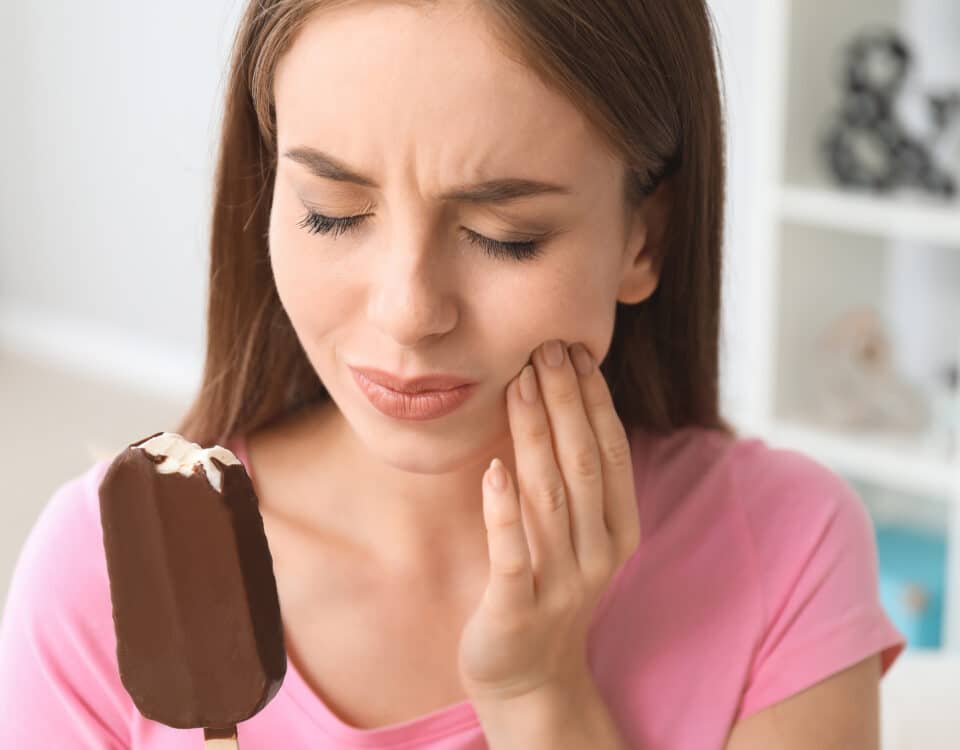
If you’ve ever felt a sudden zing of pain when sipping a cold drink or enjoying something sweet, you’re not alone. Tooth sensitivity is a common dental concern that can range from mild discomfort to sharp, sudden pain. While it may seem like a minor annoyance, sensitivity can sometimes signal an underlying issue that needs attention.
At Glacier Creek Dental, we help patients identify the root cause of tooth sensitivity and find effective solutions to keep their smiles comfortable and healthy. Let’s take a closer look at what causes sensitive teeth—and what you can do about it.
What Is Tooth Sensitivity?
Tooth sensitivity occurs when the protective outer layer of your teeth (enamel) becomes worn down or when your gums recede, exposing the underlying dentin. Dentin contains tiny tubules that connect to the nerves inside your tooth, making it easier for temperature changes and certain foods to trigger discomfort.
Common Causes of Tooth Sensitivity
1. Worn Enamel
Enamel is the hard outer surface that protects your teeth. Over time, it can wear down due to:
- Aggressive brushing
- Using a hard-bristled toothbrush
- Acidic foods and drinks (like soda, citrus, and wine)
- Teeth grinding (bruxism)
Once enamel is worn, your teeth become more vulnerable to sensitivity.
2. Gum Recession
When gums pull back from the teeth, they expose the roots, which don’t have the same protective enamel coating. This can make teeth more sensitive to hot, cold, and touch.
Gum recession is often linked to:
- Gum disease
- Overbrushing
- Aging
- Tobacco use
3. Tooth Decay or Cavities
Cavities can create small openings in your teeth, allowing external stimuli to reach the nerves. Sensitivity to sweets or temperature changes may be an early sign of decay.
4. Cracked or Damaged Teeth
A crack in your tooth can expose the inner layers and cause pain when chewing or when your tooth is exposed to hot or cold temperatures.
5. Recent Dental Procedures
It’s normal to experience temporary sensitivity after treatments like:
- Teeth whitening
- Fillings
- Crowns
- Deep cleanings
This sensitivity usually resolves on its own within a few days to a couple of weeks.
6. Teeth Grinding (Bruxism)
Grinding or clenching your teeth—especially at night—can wear down enamel and lead to increased sensitivity over time.
What You Can Do About Tooth Sensitivity
The good news is that tooth sensitivity is often manageable—and in many cases, preventable.
1. Switch to a Desensitizing Toothpaste
Specially formulated toothpaste for sensitive teeth can help block pain signals from reaching the nerves. With consistent use, many patients notice improvement within a few weeks.
2. Use a Soft-Bristled Toothbrush
Brushing too hard or using a stiff toothbrush can damage enamel and irritate gums. A soft-bristled brush combined with gentle technique helps protect your teeth while keeping them clean.
3. Watch Your Diet
Limiting acidic foods and beverages can help preserve enamel. If you do consume them, try rinsing your mouth with water afterward and avoid brushing immediately, as enamel may be temporarily softened.
4. Stay Consistent with Oral Hygiene
Brushing twice a day and flossing daily helps prevent plaque buildup, which can lead to gum disease and enamel erosion.
5. Wear a Nightguard if You Grind Your Teeth
If bruxism is contributing to your sensitivity, a custom nightguard can protect your enamel and reduce pressure on your teeth.
6. Schedule Regular Dental Visits
Routine checkups allow your dentist to identify early signs of sensitivity and recommend appropriate treatments before the issue worsens.
Professional Treatments for Sensitive Teeth
If at-home solutions aren’t enough, your dentist may recommend additional treatments, such as:
- Fluoride treatments to strengthen enamel
- Dental bonding to cover exposed areas
- Gum treatments for recession or periodontal disease
- Restorations like fillings or crowns if damage is present
At Glacier Creek Dental, we tailor treatment plans to your specific needs, ensuring long-term relief and protection.
When Should You See a Dentist?
Occasional sensitivity isn’t unusual, but persistent or worsening discomfort shouldn’t be ignored.
Signs It’s Time to Schedule an Appointment:
- Sensitivity that lasts more than a few days
- Pain when biting or chewing
- Visible damage or discoloration
- Swollen or bleeding gums
- Sudden increase in sensitivity
These symptoms may indicate a deeper issue that requires professional care.
Enjoy Your Favorite Foods Again
Tooth sensitivity can take the joy out of everyday moments—but it doesn’t have to. With the right care and guidance, you can reduce discomfort and protect your smile for the future.
At Glacier Creek Dental, we’re here to help you get to the root of your sensitivity and find lasting solutions. Whether you need preventive care or targeted treatment, our team is dedicated to keeping your smile strong, healthy, and pain-free.
Schedule your appointment today and take the first step toward a more comfortable smile.